Reduce Query Time-Out Issues with GraphQL and Hasura for Enterprises
Explore how GraphQL and Hasura can significantly reduce query time-out issues in enterprise applications. By optimizing data fetching and improving API performance, these technologies enhance backend efficiency and scalability.
Selective Data Retrieval: GraphQL allows clients to request only the data they need, which can reduce the amount of data processed and transmitted, potentially speeding up the query response.
Nested Queries: GraphQL's ability to fetch related data in a single query reduces the need for multiple round trips to the server, which can improve performance.
Flexibility in Queries
Optimized Queries: With GraphQL, clients can optimize their queries based on their specific needs, which can help in reducing the load and improving query performance.
Batching and Caching: Clients can implement batching and caching strategies to minimize the number of requests and reduce latency.
Hasura
Auto-generated APIs
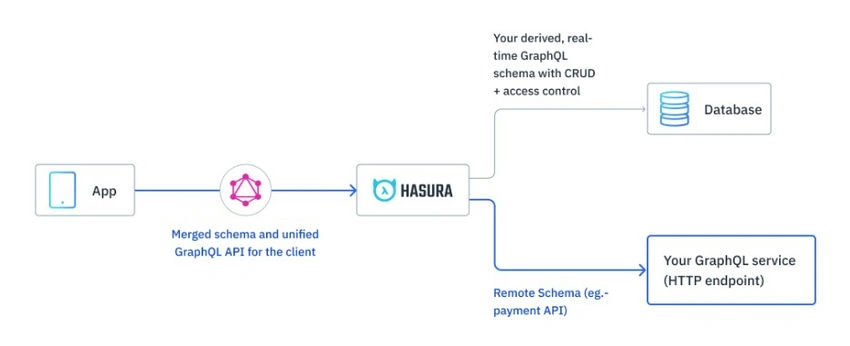
Instant GraphQL APIs: Hasura auto-generates GraphQL APIs from your database schema, which can simplify the process of setting up and maintaining efficient queries.
Optimized SQL Queries: Hasura translates GraphQL queries into optimized SQL queries, potentially improving the performance of database interactions.
Performance Features
Query Caching: Hasura supports query caching, which can significantly reduce the load on the database and improve response times for frequently executed queries.
Rate Limiting and Timeout Configurations: Hasura allows configuring rate limits and timeouts to prevent long-running queries from impacting the system's performance.
WebSocket Subscriptions: For real-time applications, Hasura offers WebSocket subscriptions, which can help in maintaining efficient, low-latency connections.
Custom Business Logic
Remote Schemas and Actions: Hasura allows integrating custom business logic using remote schemas and actions, which can help in optimizing specific parts of your application logic that might be causing time-out issues.
Potential Pitfalls and Considerations
Complex Queries: While GraphQL can reduce the number of requests, complex nested queries might lead to longer processing times if not optimized correctly.
Database Optimization: The underlying database needs to be well-optimized. Indexing, query planning, and other database optimizations are crucial to prevent time-outs.
Infrastructure: Adequate infrastructure (e.g., server capacity, load balancing) is essential to handle the load efficiently, especially for high-traffic applications.
0 comments
Comments
Join the conversation! Your thoughts help the community grow.
Join to leave a comment
Members earn 10 SHARP for a comment, 10 SHARP for a reaction, and 1,000 SHARP for every article they publish.


Join the conversation! Your thoughts help the community grow.