Loading
- Featured
What is an NFT or Non-fungible Token?
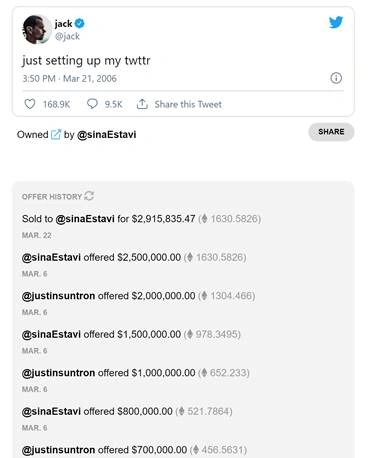
NFT stands for non-fungible token. In this article, you will learn what an NFT is and why the NFTs market is exploding.
What Architectural Changes Occur When NFT Token Development Moves From
NFTs are no longer limited to static images, descriptions, and ownership records. When NFT Token Development moves toward dynamic asset logic, the underlying architecture must support changing states, programmable behavior, and event-driven updates. The smart contract becomes more than a basic ownership registry. It can define rules that determine how an NFT behaves when specific conditions are met. These conditions may involve user actions, external data, marketplace events, or predefined contract logic. The metadata layer also requires a different approach. Instead of permanently pointing to one static data set, dynamic NFTs may use metadata structures that can reflect changes in attributes, status, or asset state. Developers need to carefully manage how these updates are triggered and verified. An event-driven architecture can connect smart contracts with indexing services and application layers, allowing changes to be detected and reflected across wallets, marketplaces, and other interfaces. Storage design is another consideration. Developers may combine on-chain data with decentralized or external storage depending on the asset requirements, cost considerations, and update frequency. Ultimately, dynamic NFT architecture requires coordination between smart contracts, metadata systems, storage layers, indexing infrastructure, and application logic. The development challenge is not simply creating an NFT, but establishing a system where its state and behavior can evolve according to defined rules.
Difference Between NFTs and Cryptocurrencies?
Unravel the NFT vs. Cryptocurrency mystery! Learn key differences in fungibility, use cases, blockchain tech, and market behavior. Master digital assets now!
Can Ledger Store NFTs?
Discover how Ledger secures your NFTs! Learn what NFTs really are, how Ledger protects ownership, and why it's a smart choice for safeguarding your digital assets. Protect your valuable NFTs!
Efficiently updating metadata after minting NFTs — what’s the best app
I’m building a small NFT marketplace using Solidity and IPFS for metadata storage. After minting, sometimes the image or attributes need updating (for example, dynamic NFTs). But since metadata is already pinned, I’m unsure how to update it without breaking the token URI integrity. Do I need to re-mint or is there a dynamic metadata update pattern that works?
How Have NFT Minting Website Trends Evolved Since the 2021 Boom?
I've seen more NFT minting websites integrating AI-driven artwork generation and multi-chain minting lately. For those who've recently worked with an NFT minting website development company, how different is the 2025 market compared to the peak NFT boom in 2021–22, especially in terms of cost, quality, and innovation?
NFTs vs Fungible Tokens: Key Differences, Uses & Future of Digital Assets
Unlock the world of blockchain with our guide to NFTs and fungible tokens! Discover the key differences, from interchangeability to divisibility, and explore real-world use cases in finance, art, gaming, and digital ownership. Understand the future of Web3 and how these digital assets are reshaping our world. Learn about challenges, criticisms, and the exciting potential of hybrid models.
OpenSea Launches OS2 Is Now Out of Beta
OpenSea launches OS2, a fully rebuilt platform supporting 19 chains, faster trading, and Voyages — a new quest-based rewards system — redefining the web3 marketplace experience for everyone.
Mattel to End Hot Wheels Virtual Garage NFTs
Mattel halts future Hot Wheels NFT releases, reassessing its digital collectibles strategy, while maintaining marketplace operations and support for existing NFTs through 2025 amid a broader NFT market downturn.
FIFA Moves NFT Platform to New Ethereum-Compatible Blockchain
FIFA launches its own EVM-compatible blockchain to enhance NFTs, fan engagement, and scalability, migrating from Algorand by May 2025, and expanding into Web3 with games like FIFA Rivals.
Nike sued for $5M over RTFKT NFT Platform Shutdown
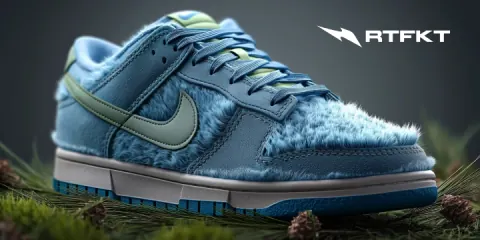
Nike is facing a class-action lawsuit for abruptly shutting down its NFT platform, RTFKT, accusing it of selling unregistered securities and betraying consumer trust, which has potential implications for NFT regulation.
Magic Eden acquires Slingshot to expand beyond NFTs
Magic Eden acquires Slingshot to enable seamless crypto trading across 8M+ tokens on major blockchains, moving beyond NFTs and advancing toward a fully unified, onchain asset trading platform.
Gaming NFT maker Aavegotchi Votes to Move from Polygon to Base
Aavegotchi, a Web3 gaming NFT protocol, is migrating from Polygon to Base after community approval, citing better performance, ecosystem momentum, and stronger support for gaming on Base.
Russian Premier League NFTs join Web3 fantasy football
Fanton, a Telegram-based fantasy football platform, partners with the Russian Premier League to offer licensed NFTs, enhancing transparency, fairness, and engagement through blockchain technology.
NFT Marketplace X2Y2 Shuts Down, Shifts to AI
NFT marketplace X2Y2 is shutting down on April 30, 2025, pivoting to AI-driven solutions amid declining trading volumes, aiming to revolutionize cryptocurrency with AI-powered yield innovations.
GameStop Loses $3B as Shareholders Question Bitcoin Plan
GameStop’s market cap dropped by $3 billion as investors doubted its $1.3 billion Bitcoin plan, with GME stock plunging 24% despite initial gains.
Bitcoin NFTs, Layer-2, and Restaking Hype ‘Gone’
Bitcoin NFTs, layer-2 solutions, and restaking are losing momentum, signaling a shift toward sustainable growth. Analysts see this decline as a healthy correction, focusing on strong fundamentals and long-term development.