Loading
Dipal Choksi's contributions

Conditional Activities in Windows Workflow Foundation
In this article, we will take a look at the introductory concepts of Conditional Activities in the Windows Workflows Foundation. We will explore the types of Conditional Activities and the different ways of specifying Conditions.
Basic Introduction to Windows Workflow Foundation
In this article, we will take a look at the introductory concepts of Windows Workflows Foundation.
Basic Introduction to Activities in Windows Workflow Foundation
In this article, we will take a look at the introductory concepts of Activities in the Windows Workflows Foundation.

ASP.Net 2.0: Export GridView to Excel - Part II
In this version of the article, we will include the handling the Hyperlink columns in the GridView export to Excel and also re-factor our original logic to use more general features of Reflection.
What's so special about Workflow solutions?
My favorite features for workflow solutions (without going into platform specifics...)
ASP.Net 2.0 – Multiple Languages in the App_code folder
ASP.Net 2.0 – Briefly describes the app_code folder and how to include source code in multiple languages in the App_code folder in ASP.Net
Conditional Activities in Windows Workflow Foundation
In this article, we will take a look at the introductory concepts of Conditional Activities in the Windows Workflows Foundation. We will explore the types of Conditional Activities and the different ways of specifying Conditions.
Basic Introduction to Activities in Windows Workflow Foundation
In this article, we will take a look at the introductory concepts of Activities in the Windows Workflows Foundation.

SQL Server 2005: Partitioning
In this brief article, we will go through the concepts of Partitioning in SQL Server 2005.
Basic Introduction to Windows Workflow Foundation
In this article, we will take a look at the introductory concepts of Windows Workflows Foundation
ASP.Net 2.0: Export GridView to Excel
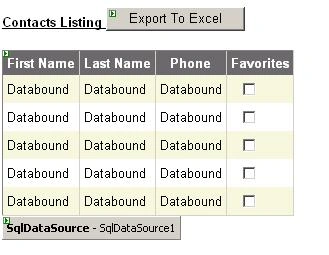
This article describes how to Export an ASP.Net 2.0 GridView to Excel.
User Confirmation before Deleting Items in ASP.Net 2.0
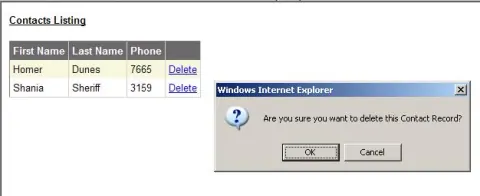
This article describes how ASP.Net 2.0 allows setting client-side functions for Button controls through the use of the OnClientClick property and additionally, the event can be handled on server-side depending on the user response.
Encrypting Connection Strings in ASP.Net 2.0
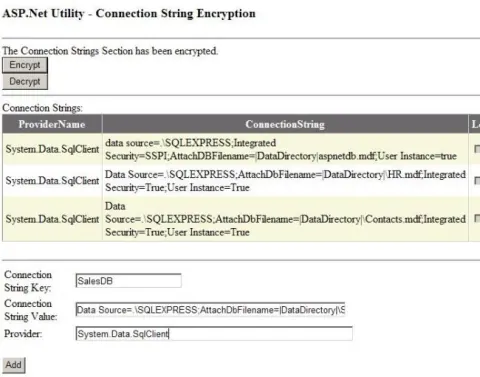
This article describes how to encrypt the connection strings section in ASP.Net 2.0 web.config files and demonstrates the transperancy of using encrypted connection strings in your web application.
Atlas: Floating Server Elements in ASP.Net 2.0
In this article, we will see how easily Atlas allows setting up a server element as a floating element, which the end users of the web page can drag to any location in the web page.
Selective Validation in ASP.Net 2.0
In this article, we will explore the Validation Groups feature introduced in ASP.Net 2.0.
Anonymous Methods in C# 2.0
In this article, we will explore the anonymous method feature introduced in C# 2.0.
Calculating Date Difference in C#
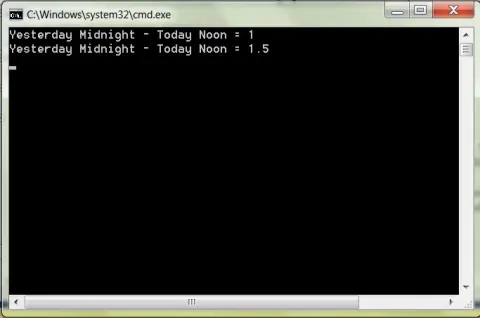
This article introduces the various options for calculating the date difference in C# using DateTime.Substract method, Subtraction Operator, and DateDiff Function.
Atlas - Visual Feedback Using the UpdateProgress Control
In this article, we will take a look at the ease with which the UpdateProgress control in Atlas allows you to provide user feedback on the progress of operations in an ASP.Net 2.0 web page.
ASP.Net 2.0 - Dynamic Fragments in Cached Web Pages
In this article we will explore various techniques for including dynamic fragments within cached web pages. This feature is described as Post Cache Substitution and provides a personalized experience for the end user, while taking advantage of the benefits of Caching.
Atlas - Asynchronous Partial Page Rendering in ASP.Net
Learn how ASP.NET Atlas UpdatePanel enables partial page rendering, conditional updates, triggers, and asynchronous postbacks without reloading the entire page.
A Functional Look at Report Builder Client in SQL Server 2005
In this article we will take a brief look at the functionality provided by the Report Builder Client.
Cross Page Postback in ASP.Net 2.0
In ASP.Net 2.0, cross-page post backs allow posting to a different web page, resulting in more intuitive, structured and maintainable code. In this article, we will explore the various options and settings for the cross page postback mechanism.
Retrieve ConnectionString Values in ASP.NET 2.0
In this short article, we will see how to retrieve the ConnectionString value from the web.config file in ASP.NET 2.0.