Loading
Articles by Pranay Rana
Aborting Thread Vs Cancelling Task
The below post is based on one of the question I answered on StackOverflow, in which the questioner wants to cancel a task when its taking too long to respond; i.e., taking too much time in execution and returning result.

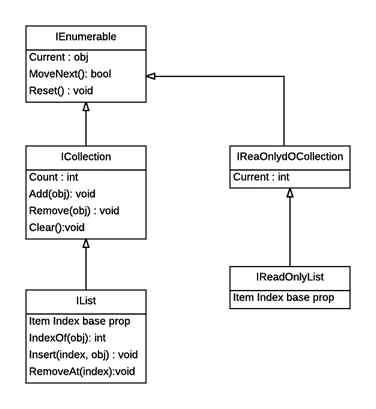
Collection Interface In .NET
In this article you will learn about Collection Interface in .NET. It provides information about interfaces implemented by collection.

Difference Between Await and ContinueWith Keyword in C#
This article explains the difference between ContinueWith and await in the C# language.

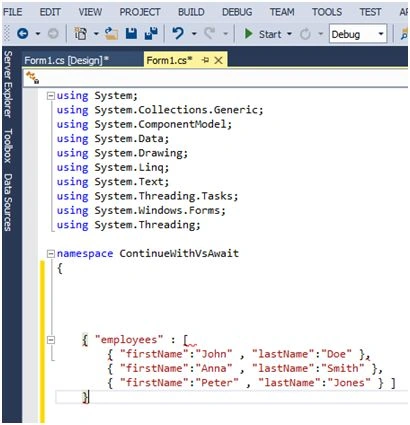
Generate Class From JSON or XML in Visual Studio
This article is about a cool feature in Visual Studio that helps save the effort of a developer to generate class a structure from a JSON or XML string.
Dependency Inversion Principle
In this article, you will learn about the Dependency Inversion Principle. The Dependency Inversion Principle (DIP) in SOLID, outlined by Robert C. Martin, advocates that high-level modules should depend on abstractions rather than low-level details. This promotes flexibility and reduces tight coupling in software components.
Interface Segregation Principle
In this article, you will learn about the Interface Segregation Principle. The Interface Segregation Principle (ISP) in SOLID, by Robert C. Martin, emphasizes coding according to specific interfaces rather than broad ones, preventing unnecessary method implementations and enhancing code flexibility.
Liskov Substitution Principle
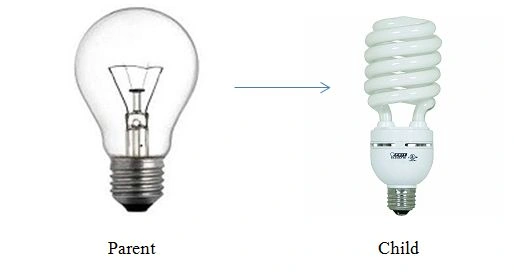
This article explains the Liskov Substitution Principle. The Liskov Substitution Principle (LSP), a key SOLID principle by Barbara Liskov, advocates seamless substitution of base class objects with derived class objects without altering program functionality or correctness.
Open Closed Principle in SOLID
In this article, we will learn about the Open Closed Principle. The Open Closed Principle (OCP) in SOLID, coined by Robert C. Martin, asserts that software entities should be open for extension but closed for modification, fostering adaptability without altering existing logic.
What is Single Responsibility Principle
In this article, you will learn about the Single Responsibility Principle. The Single Responsibility Principle (SRP) in SOLID, emphasized by Robert C. Martin, asserts that a class or function should have only one reason to change, promoting simplicity and maintainability.
Validation in Any Type of Application Using DataAnnotation
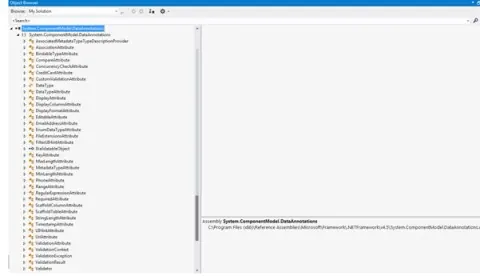
In this article we will learn how to validate in any type of application using DataAnnotation.
Complex Custom Validation Attribute Specific to Entity
Complex custom validation attributes tailored for entities in Entity Framework enable validation logic beyond standard rules. These attributes empower precise data validation, ensuring compliance with specific business requirements within your application.
Random Numbers in Multithreading
In this article you will learn about random numbers in multithreading.
Return Anonymous Type in C#
This article explains returning an anonymous type and how to handle it in code.
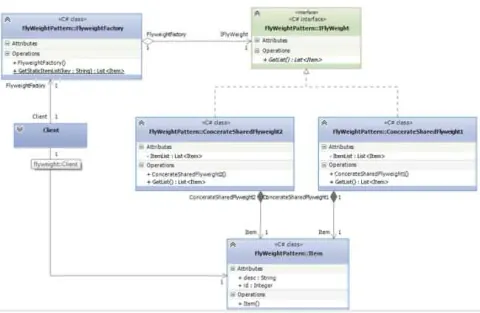
How and Where Decorator Design Pattern
The Decorator Design Pattern is one of the behavior patterns introduced by the GOF.
Publisher/Subscriber Pattern With Event /Delegate and EventAggregator
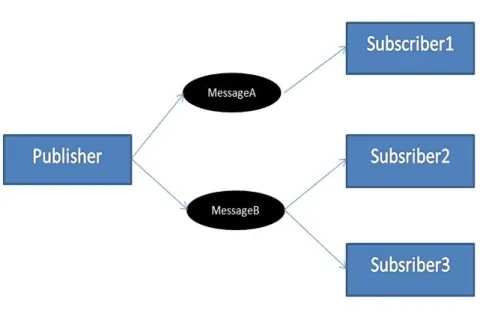
This article explains the Publisher/Subscriber pattern with Event/Delegate and EventAggregator.
Generate Sequence Diagram in C#
This article is about a feature provided by Microsoft Visual Studio to generate a sequence diagram from existing code.
Help Yourself in Debugging, Part 3: StackTrace and Caller Information Attribute
This article is about the two features in C#, the Caller Information Attribute and the StackTrace class.
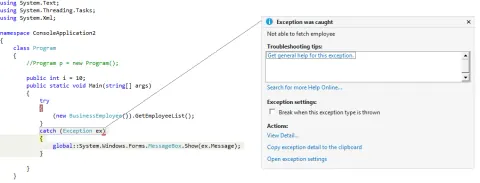
Getting Exact Location of Exception in C# Code
This article is about determining the exact location of an exception in code.
Selectors in CSS 3
This article is about CSS selectors and how they work including an explanation of most of the selectors used in CSS.
Dependency Injection: Part 1
This article explains what Dependency Injection is and why there is a need for this software design pattern.
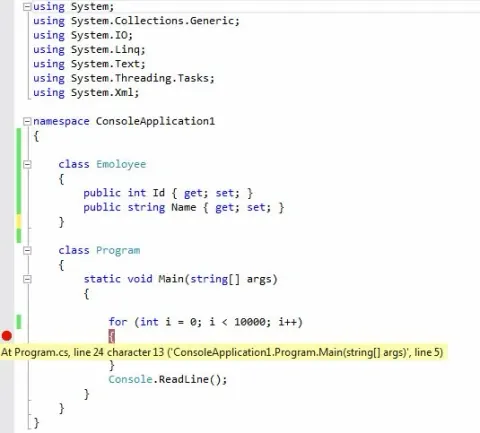
Setting Breakpoints in Visual Studio
This article explains breakpoints that is one of the most used features by developers to debug applications. Breakpoints break (temporarily halt) execution of a program during runtime at certain point.
C# Features
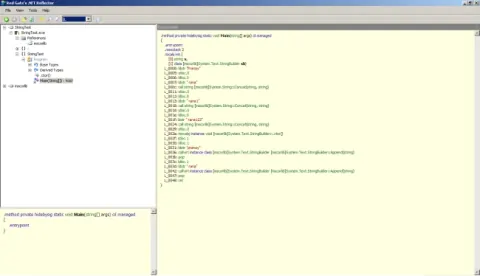
Explains C# language features including StringBuilder versus string performance, struct initialization, checked operators, and switch-case behavior.