Loading
Blogs by Sandhiya Priya
- Security
Schedule Automatic Daily Database Backup Using Windows Task Scheduler
Learn how to schedule automatic daily database backups using Windows Task Scheduler. This step-by-step guide explains how to create backup scripts, configure scheduled tasks, and ensure your data is safe every day at a specified time.
- C#
How to Implement AutoComplete in C# with AjaxControlToolkit
Learn how to integrate the AutoComplete feature in your C# web applications using the AjaxControlToolkit.
- Databases & DBA
SQL Server vs Oracle – Query Comparison by Category
This blog offers a clear and structured comparison between SQL Server and Oracle by categorizing SQL operations such as data definition (DDL), data manipulation (DML), transaction control, user management, and date/time functions.
- Oracle
Getting Started with Indexes in Oracle Database
Learn everything you need to know about indexes in Oracle Database, including their importance, types (B-tree, Bitmap, Unique, Composite, IOT, etc.), creation syntax, and real-world examples.
- Oracle
How to Change a Column Data Type from NUMBER to VARCHAR2 in Oracle Database
Learn how to change a column's data type from NUMBER to VARCHAR2 in Oracle Database safely. Step-by-step guide with SQL syntax, precautions, and tips for avoiding data loss.
- Oracle
How to Create a Schema in Oracle: Step-by-Step for Beginners
Learn how to create a schema in Oracle Database with this easy-to-follow guide. Whether you're a beginner or a developer looking to refresh your basics, this blog covers everything from what a schema is to how to create one using SQL commands.
- SQL
How to Import Excel Data into SQL Server: Step-by-Step Guide (with Example)
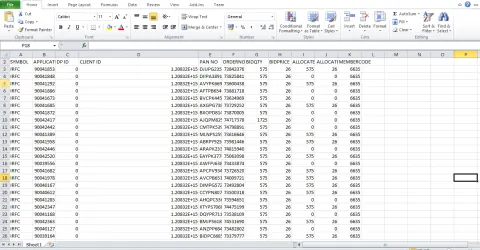
How To Import Excel Data Into SQL Server" is a practical guide for developers, database administrators, and data analysts looking to efficiently transfer spreadsheet data into a SQL Server database. This blog covers step-by-step methods to import Excel files (.xls/.xlsx) into SQL Server using tools like the Import and Export Wizard, T-SQL with OPENROWSET, and programmatic approaches using C# and Python. Learn how to map columns, handle formatting, fix common errors, and ensure data integrity during import. Perfect for beginners and professionals who frequently work with data migration, reporting, or database maintenance tasks.
- SQL Server
How to Get Table and Procedure Scripts in SQL Server (Schema + Data Included)
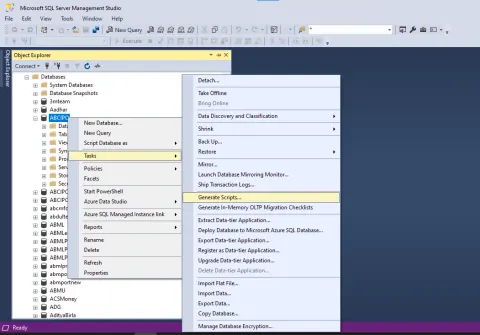
Learn how to generate scripts for tables and stored procedures in SQL Server, including both schema and data. This step-by-step guide covers how to use SQL Server Management Studio (SSMS) to export database objects, including CREATE TABLE, INSERT statements, and full stored procedure logic. Ideal for developers, DBAs, and data analysts working on database backup, migration, or documentation. Visual aids and practical examples included.
- Oracle
Import Excel Data into Oracle
In this blog post, we will guide you through the process of importing Excel data into an Oracle Database.
- Oracle
Get Multiple User-Selected Table & Procedure Scripts in Oracle (Schema + Data)
In this blog post, we’ll walk through how to extract multiple table and procedure scripts from an Oracle database, including both the schema structure and the underlying data.
- Oracle
How to Get Table and Procedure Scripts in Oracle Server (Schema + Data Included)
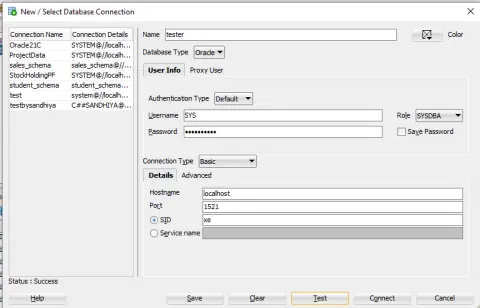
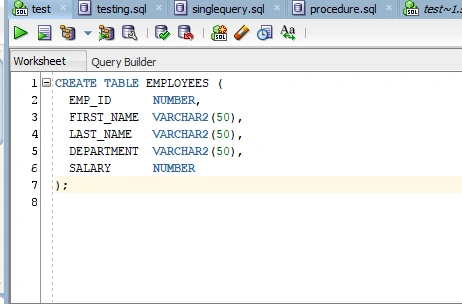
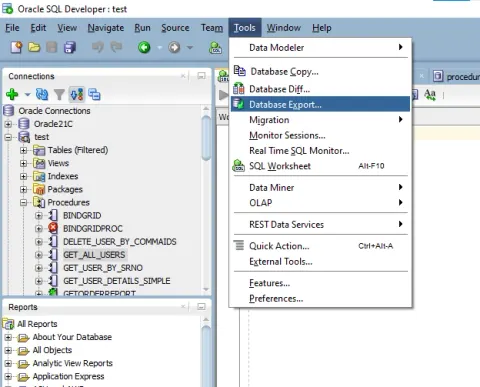
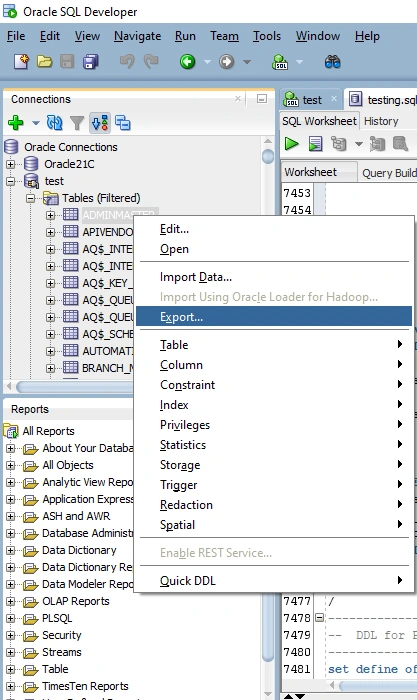
In this blog post, we will explore the process of extracting table and procedure scripts from an Oracle Database, including both schema and data. Whether you're migrating databases, creating backups, or simply documenting your database structure, knowing how to generate these scripts is essential for database administrators and developers alike. We will cover various methods to retrieve the DDL (Data Definition Language) for tables and stored procedures, as well as how to export the data contained within those tables. By the end of this guide, you will have a comprehensive understanding of how to effectively obtain and utilize table and procedure scripts in Oracle Server.
- Oracle
PL/SQL SET Serveroutput ON
The PL/SQL SET SERVEROUTPUT ON command is used in Oracle SQL*Plus (or other similar Oracle interfaces) to enable the display of output from PL/SQL blocks. When you use commands like DBMS_OUTPUT.PUT_LINE() in your PL/SQL code to print values, you must use SET SERVEROUTPUT ON to make sure that the output is shown in the console. This command helps to debug and track the flow of your PL/SQL programs by displaying output results directly to the user interface.
- Oracle
CRUD Operations in ASP.NET Web Forms Using Oracle Stored Procedures
In this blog, you'll learn how to perform Create, Read, Update, and Delete (CRUD) operations in ASP.NET Web Forms using Oracle Database with stored procedures.
- C#
CRUD Operation in ASP.NET Web Forms with Oracle Database
Learn how to perform CRUD (Create, Read, Update, Delete) operations in ASP.NET Web Forms using an Oracle Database.
- C#
GridView CRUD Operations using Oracle DB in ASP.NET WebForms (C#)
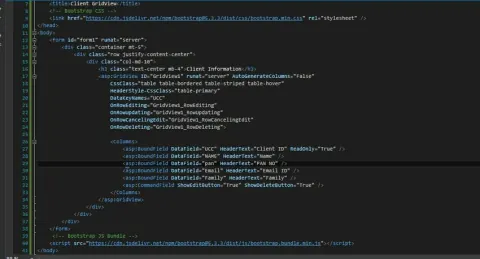
This documentation provides a comprehensive article on implementing CRUD operations using the ASP.NET WebForms GridView control connected to an Oracle Database.
- Bootstrap
Custom 404 Error Page in ASP.NET Using Bootstrap 5
This blog showcases a clean Bootstrap design and a futuristic glitch animation, both crafted with HTML, CSS, and Google Fonts to provide stylish, responsive, and user-friendly error handling.
- .NET
Building a Secure SQL Injection Test Form Using ASP.NET and C#
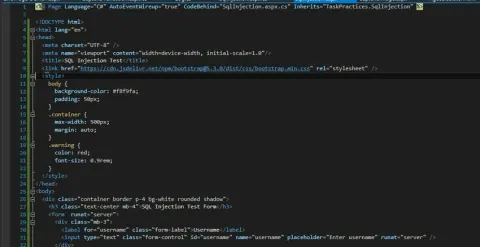
Learn how to build a secure SQL injection test form using ASP.NET and C#. This guide covers best practices, parameterized queries, validation techniques, and testing examples to protect your web applications from SQL injection attacks.
- JavaScript
Creating a Captcha Login System Using JavaScript and C# in ASP.NET
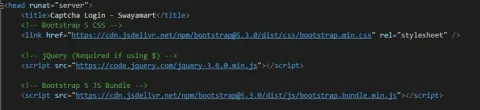
This article covers front-end CAPTCHA generation with JavaScript and back-end validation with C#, helping prevent automated logins and enhance security in your ASP.NET web applications.
- .NET
Building an E-Commerce Chatbot in ASP.NET Using SQL Server
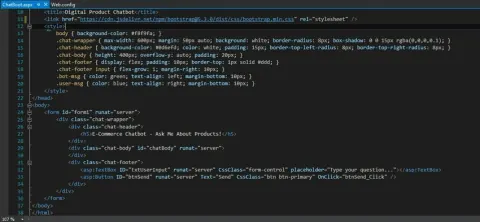
Learn how to build a simple e-commerce chatbot using ASP.NET Web Forms and SQL Server—no third-party AI or JavaScript needed.