Loading
Articles by Sourav Kayal

Implement PRG Pattern in MVC Architecture
Here, we will see the real problem and scenario where we can use PRG design pattern.
Demystify SOLID: "S" For Single Responsibility Principal
In this article we will discuss the meaning of S in the SOLID principal.
Fundamentals of Unit Testing: Test Your Application by Visual Studio Unit Test
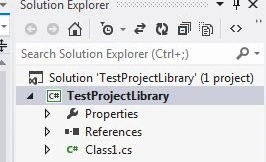
This article is part of the "Fundamentals of Unit Testing" series, focusing on practical implementation in the Visual Studio environment. It covers steps such as creating a class library application, defining a simple class and function for testing, adding a unit test project to the solution, writing test cases, and running tests using Visual Studio's testing framework.
Discussion Of Various AJAX Patterns
In this article we will discuss various AJAX patterns in modern web applications.
Fundamentals of Unit Testing: Getting Started With Unit Testing
Here, I am going to write a series of articles discussing and talkiing about unit testing.
Enable Disable Sitemap Menu Item Based on Role in ASP.Net
Configure an ASP.NET Web Forms sitemap to show or hide menu items by user role using security trimming and web.config authorization rules.

Measure Code Matrices in Visual Studio
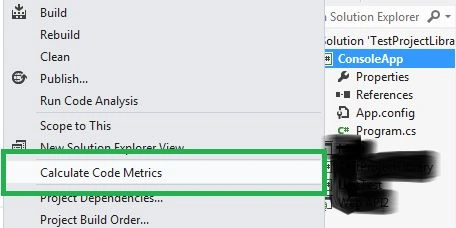
This article is all about performance improvement and measured code complexity and best practices.
Node.js in Action: Setup ExpressJS and Run Node Server
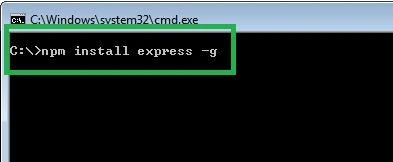
In this article we will cover a very important topic of node.js. We will learn how to install and run Express.js on top of node.js.

Measure Depth Of Inheritance And Class Coupling In Visual Studio
Here, we will see how to measure depth of inheritance and class coupling in the Visual Studio environment.
Various Return Types From MVC Controller
The content explores the diverse return types available in an MVC controller within the ASP.NET framework. From rendering HTML views to returning JSON data or redirecting to different URLs, MVC controllers offer flexibility in responding to client requests.

Generate Barcode Using Spire.Barcode Library
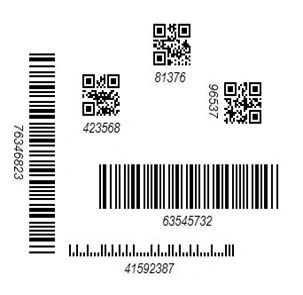
The Spire. Barcode library offers a versatile solution for generating barcodes in C#. With comprehensive features and clear documentation, it simplifies barcode creation, encoding, and customization, enabling efficient integration into various projects with ease.
Node.js in Action: Work With Colors Module
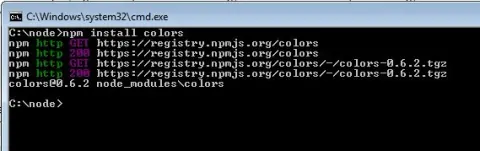
In this article we will work with another interesting module, the color module.
Collect Form Data From Both Main and Partial View in MVC
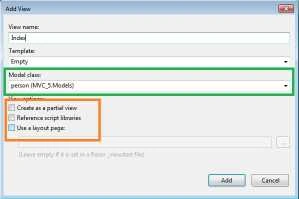
In this article, you will learn how to collect form data from both main and partial views.
ValidateInput Attribute to Prevent CSS Attack in MVC
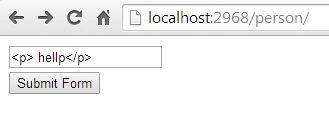
This article explains how to prevent Cross Site Scripting (CSS) attacks using the validateInput attribute.
Explain Route Constraints in MVC
Route constraints in MVC define rules for matching incoming URLs to route templates, enhancing control over routing behavior. They specify conditions like data type, length, or regular expressions, ensuring only appropriate requests are routed to corresponding controller actions.
Node.js in Action : Create Simple Text File in Node.js Using "fs" Module
In this example, we will learn to write/create a file using the fs module of node.js.
Foreach or ForEach<T> Extended Method
Foreach is well known to us and smart enough than for() by reducing the iteration boundary and increment/decrement portion.
Node.js in Action: Understand Request Module
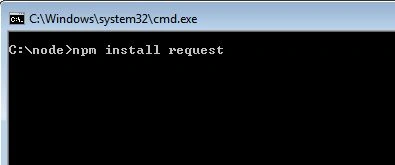
This article explains the “request” module in node.js with an example.
How Action is Mapped With HTTP Verb in Web API
This article explains how an action is mapped with a HTTP Verb in the Web API.
Node.js in Action: Understand "os" Module in Node.js
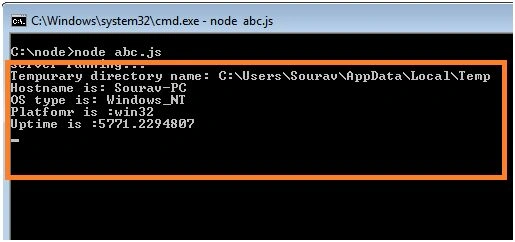
This article explains the important node.js module called os. Using the os module, we are able to access the operating system and server related information.
Work With Odata in Web API : Querying Odata Service
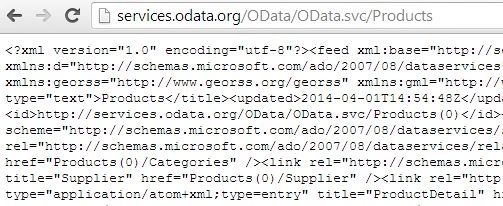
In this article we will discuss a very important topic of Odata; how to make a query to an Odata service. I strongly believe that if you understand the concept of queerying an Odata service then only you will realize the real power of Odata services.
Attribute Routing and Parameters in MVC5
In this article, we will learn one of the interesting features of MVC5, attribute routing.
Work With Odata in Web API: Create Your First Odata Service
Create a simple OData service in ASP.NET Web API 2 by installing packages, defining a model, adding an OData controller, and configuring an OData route.
Display Partial View and View Using AJAX in MVC
In this article, I am describing about partial view and view using AJAX in MVC.