Loading
Subham Ray's contributions
- Article · Python
Why You Should Learn Python in 2024
In the ever-evolving realm of programming languages, Python has stood the test of time and continues to flourish. As we embark on the year 2024, Python's prominence in the world of technology remains as strong as ever. Learning Python in this year presents a multitude of compelling reasons, as it has established itself as a versatile and invaluable language across a multitude of industries and applications. Let's explore why you should consider adding Python to your skill set in 2024.
- Article · Cloud
Navigating the Deployment Dilemma: On-Premises vs. Cloud in 2024
In the dynamic landscape of technology, the decision between on-premises and cloud deployment continues to be a pivotal choice for organizations. As we step into 2024, this decision holds more weight than ever, given its profound impact on an organization's operational efficiency, financial strategy, and overall competitiveness. The dilemma persists, and organizations must carefully weigh the pros and cons of each approach to align with their specific needs and aspirations.
- Article · Python
How to build a DMARC Report Dashboard with Python
Build a Python Dash dashboard that parses DMARC XML reports and visualizes email authentication results, source IPs, message counts, and pass/fail status.
- Article · AI
What is Generative AI?
Generative AI, a subset of artificial intelligence, stands as a beacon of creativity within the realm of algorithms. It refers to the process of utilizing machine learning models to generate content that simulates various facets of human imagination.
- Article · AI
What is a Large Language Model (LLM)?
At the heart of LLMs lies a sophisticated architecture that allows computers to comprehend, generate, and manipulate human language. These models are pre-trained on vast text corpora, learning the intricate patterns, grammatical structures, and semantic nuances inherent in language. By capturing these linguistic intricacies, LLMs become adept at generating coherent and contextually relevant responses.
- Article · Cyber Security
What is MTA-STS and TLS-RPT
MTA-STS, short for Mail Transfer Agent - Strict Transport Security, is an email security protocol designed to enforce secure encrypted connections between email servers. It aims to prevent man-in-the-middle attacks and ensure that email communication occurs over secure channels, thereby protecting the confidentiality and integrity of emails in transit.
- Article · AI
Role of AI in Cybersecurity: Safeguarding the Future
As technology advances at an unprecedented pace, so does the sophistication of cyber threats. In this digital age, where data breaches and cyberattacks are prevalent, the role of Artificial Intelligence (AI) in cybersecurity is becoming increasingly vital. AI has the potential to revolutionize the way we defend against evolving threats by detecting anomalies, automating threat response, and enhancing overall security posture. In this article, we will explore the role of AI in cybersecurity and how it can safeguard our digital future.
- Article · AI
What is Explainable Artificial Intelligence(XAI)?
Artificial Intelligence (AI) has become increasingly powerful and pervasive, influencing various aspects of our lives. However, as AI systems become more complex, there is a growing need to understand how these systems arrive at their decisions. This is where Explainable AI (XAI) comes into play.
- Article · Cyber Security
What is BIMI?
BIMI, short for Brand Indicators for Message Identification, is an email authentication standard that allows organizations to display their brand logos alongside authenticated email messages. It builds upon existing email authentication protocols like DMARC (Domain-based Message Authentication, Reporting, and Conformance) and leverages the Verified Mark Certificate (VMC) system to validate the ownership and authenticity of a brand's logo.
- Article · AI
Artificial Intelligence Vs Advanced Intelligence
In this article, you will learn what is the difference between Artificial Intelligence vs Advanced Intelligence.
- Article · Web3
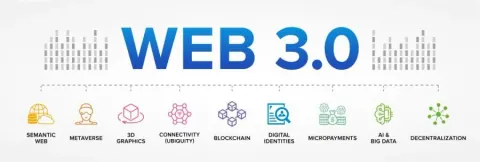
What Is Web3 And Its Benefits
Web 3.0 is the next generation of the internet, and it promises to revolutionize the way we interact with the online world. Unlike the current web, which is largely centralized and controlled by a few large corporations, Web 3.0 is a decentralized and open network that gives individuals more control over their online identities and data.
- Article · Cyber Security
What is XDR?
Learn about XDR [Extended Detection and Response] and its benefits.
- Article · Cyber Security
What Is SIEM
Learn about what is SIEM [ Security information and event management ] and its roles.
- Article · Cyber Security
What Is DMARC ? | Why DMARC Is Important ? | Understanding DMARC Records
In this article we will learn about DMARC, why it is important for email, and also how to get the best understanding of DMARC records.
- Article · Data Science
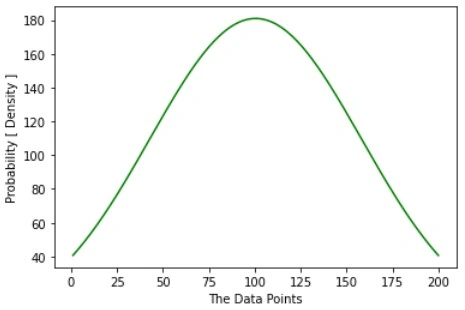
How To Create Different Types Of Plots And Charts In Data Visualization Using Python
In this article, you will learn how to create different types of plots & charts in data visualization using python.
- Article · Data Science
What Is The Difference Between Normal And Binomial Distribution
Get to know more about the Normal Distribution and Binomial Distribution with sample code and chart comparison.
- Article · Data Science
How To Measure Central Tendency Using Pandas In Python - Data Science
In this article, you will learn how to measure Central Tendency using pandas in Python.
- Article · Python
How To Make A Digital Clock In Python
In this article, you will learn to make your digital clock in python from scratch.
- Article · Python
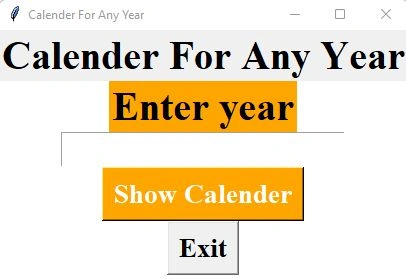
How To Build A Calendar In Python Using Tkinter
In this article, you will learn how to build a calendar for any year in python using tkinter.
- Article · Data Science
What Is The Difference Between Data Scientist And Data Analyst?
In this article, you will learn about the difference between Data Scientists and Data Analysts | Data Scientist VS Data Analyst.
- Article · Data Science
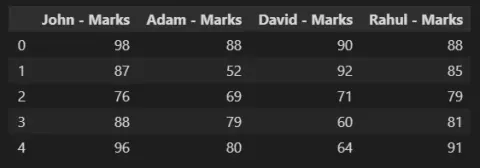
Understanding Pandas With Examples
In this article, you will learn about pandas with Examples. Pandas stands for Python Data Analysis Library, mainly used for data manipulation and data analysis, built over python programming language. It is open-source, fast as well as powerful.
- Article · Python
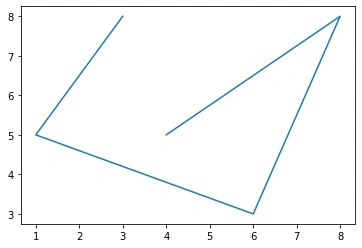
Understanding Matplotlib With Examples
Learn how to install Matplotlib and create line, histogram, scatter, bar, sine-wave, and 3D surface plots in Python.
- Article · Data Science
Understanding Numpy With Examples
In this article, you will learn about Numpy with examples.
- Article · Data Science
Should You Choose SQL For Data Science Practice
In this article, you will learn more about the reasons to choose SQL for Data Science.
- Article · Data Science
Should You Choose R For Data Science Practice
Learn more about if R is the programming language you should choose for Data Science.