Loading
Articles by Vidya Vrat Agarwal
C# .NET Application Design Considerations
Proper designing is the major factor which contributes to the scalability and performance of any application.

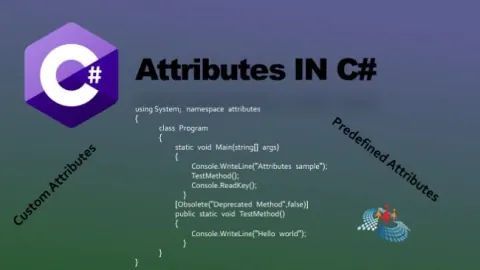
Using Attributes With C# .NET
Attributes are like adjectives, which are used for metadata annotation that can be applied to a given type, assembly, module, method and so on. The .NET framework stipulates two types of attribute implementations, which are Predefined Attributes and Custom Attributes.
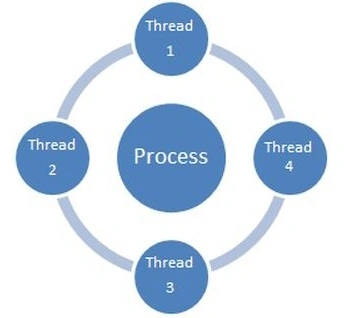
Multithreading With .NET
Multithreading allows a program to run multiple threads concurrently. This article explains how multithreading works in .NET. This article covers the entire range of threading areas from thread creation, race conditions, deadlocks, monitors, mutexes, synchronization and semaphores and so on.
Best Practices - Exception Handling in C# .NET
This article talks about best practices of exception handling, and guides you for some common programming mistakes developers do, as that seems appropriate in most of the application written.
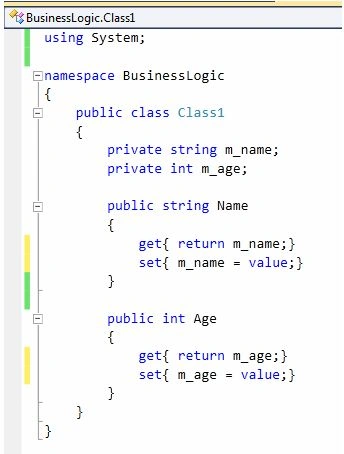
Validation Application Block (Enterprise Library 5.0)
Learn how to configure and use the Enterprise Library 5.0 Validation Application Block to apply validation rules for properties such as name length and age range.

Mastering Delegates and Events In C# .NET
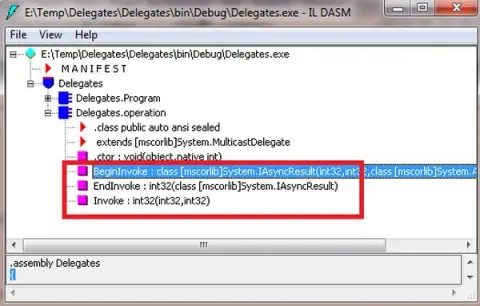
This tutorial and code example will teach you how to work with delegates in C#.
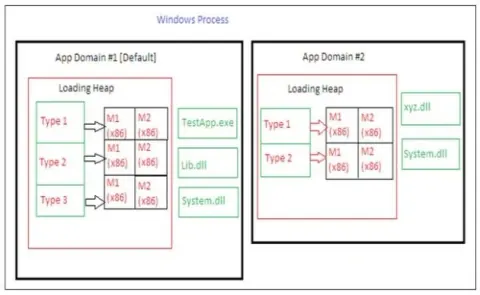
CLR Internals - Process and Application Domain
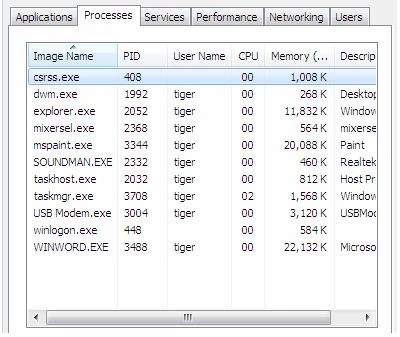
In this article, you‘ll drill deeper into the details of how an assembly is hosted by the CLR and come to understand the relationship between application domain (appdomain) and processes.
Using Reflection with C#
This article explains discovery of types at runtime using .NET Reflection in C#. This article will also explain late binding in C# that is related to .NET reflection.
.NET Serialization
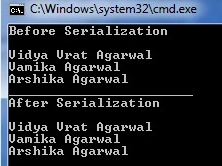
Serialization in .NET facilitates object state persistence, enabling transmission across networks or storage in various formats like binary and XML. It ensures data integrity, exemplified by the US Visa application, utilizing binary serialization. Implementing serialization requires marking classes with attributes.
Cross Language Interoperability With C# .NET
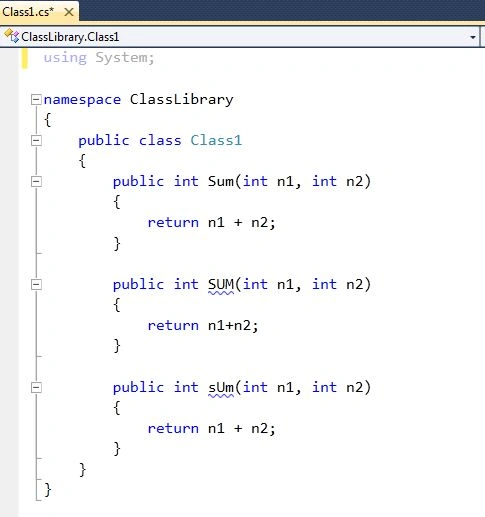
As you know Microsoft .NET is designed with cross language interoperability. I.e. two .NET compliant languages can interoperate with each other. Which simply means a function in VB .NET can be called by C# and vice-versa.

Debugging With Visual Studio 2010
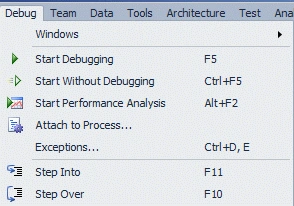
Here you will learn about the Microsoft Visual Studio 2010/2012 IDE full-fledged Debugging Control Flow.
Exception Handling With C#
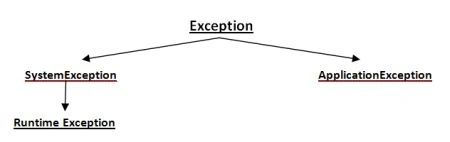
This article explains how to properly handle existing exceptions using try, catch, finally and throw blocks and how to create your own custom exceptions.
Unit Test Automation With Visual Studio
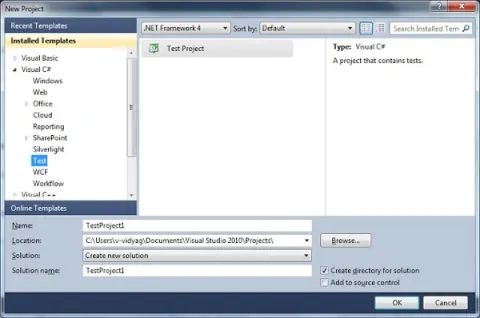
Microsoft Visual Studio and .NET has its own UnitTest framework that is separate from the NUnit or other automation testing frameworks.
NUnit With C#
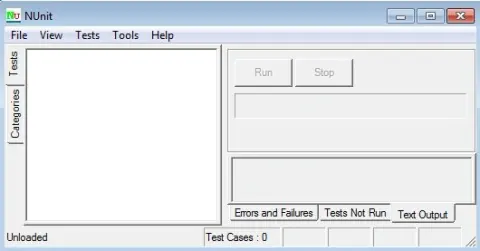
NUnit is a unit-testing framework for .NET applications in which the entire application is isolated into diverse modules and each module is tested independently to ensure that the objective is met.
Using .NET Collections With C#
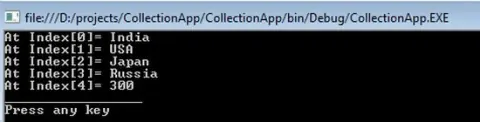
.NET offers a variety of collections such as ArrayList, Hashtable, queues, Dictionaries.
.NET Web Services
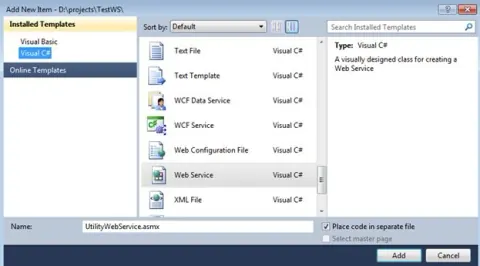
XML web services are not .NET Framework specific, they can also be consumed in other programming frameworks such as Java, PHP, AJAX, ASP etc.
Logging Application Block (Enterprise Library 5.0) With C#
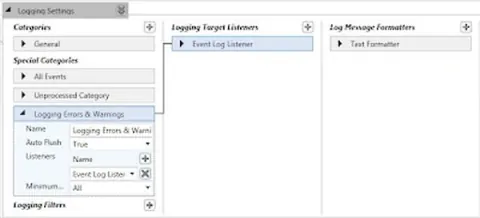
This article explains how to use a Logging Application Block with C#.