Loading
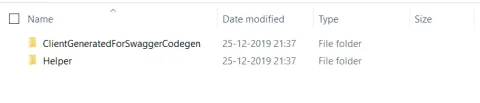
Generate an Angular Typescript API Client with Swagger Codegen
This blog describes how to generate the angular-typescript client using Swagger Codegen for any API which has Swagger installed.
Enhancing Angular Builds: Cache Busting 7 Mins
Updating each build of AngularJS and CSS versions in your web application is essential to keep your project secure, improve performance, and leverage the latest features and best practices.
Enhancing Angular Builds: JS and CSS Versioning Avoid Caching
Updating each build of AngularJS and CSS versions in your web application is essential to keep your project secure, improve performance, and leverage the latest features and best practices.
Components in Angular
In this blog, we will delve into the fundamentals of Angular components, exploring their significance and the key aspects that make them essential for modern web development.
Creating a Seamless Single-Page Application with Angular Routing
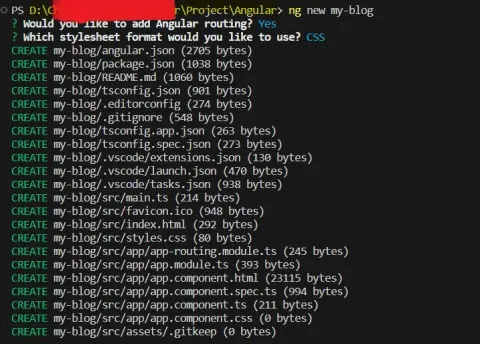
In this blog, we'll guide you through building a basic Angular blog project with step-by-step instructions on effective Angular routing. Learn why routing is essential in single-page applications, create components, configure routes, and enhance the user experience. This modular approach optimizes dynamic content loading, resulting in a seamless, responsive application. Discover the power of Angular routing and kickstart your coding journey. Happy coding!
How To Resolve PowerShell Script Execution Policy Error In Angular ?
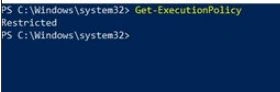
Angular is a framework for building client-side applications using TypeScript and doesn't directly interact with PowerShell scripts or their execution policies. However, if you are facing an execution policy error while trying to run a PowerShell script unrelated to Angular, here's how you can resolve it.
ng-container, ng-template, and ng-content
In this blog, we will learn about ng-container, ng-template, and ng-content in angular.
How to Upgrade Angular Versions?
While doing Angular Upgrade from version 6 to 14, the mandatory files code or properties which can change is mentioned in this blog.
Communication Between Components In Angular
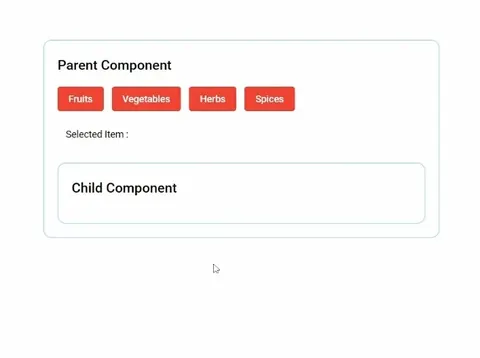
Transferring information among various components is a crucial requirement in any application, and Angular is no exception to this. While this practice is widespread, Angular offers several built-in methods to facilitate it. However, there might be situations where these default approaches fall short, necessitating the implementation of more innovative solutions.
Sorting Based on Selection in Check Box using Pipe
In this blog, we will discuss sorting based on the selection in the check box in angular 13.
Interceptors In Angular Along With Benefits
Interceptors are used to modify the outgoing requests or incoming responses from the HTTP requests made by your application. These are used to manipulate, enhance or handle errors in the HTTP communication between your app and the server.
Dynamic Federation on Micro-Frontend with Module Federation and Angular
When creating Micro-frontends, you can define the modules using static configurations. But it is also possible to enable Dynamic Federation with Webpack module federation, which allows you to load modules dynamically when enabling routing for Angular applications. This will help you to understand how to enable dynamic federation with Angular using Webpack module federation.
Build Multi-Repo Micro-Frontend Using Angular And Webpack 5 Module Federation
This blog helps you to understand what is Microfrontend and how to build a multi-repo micro-frontend application using Angular and Webpack 5
Build Monorepo Micro-Frontend Using Angular And Webpack 5 Module Federation
This blog helps you to understand how to create a monorepo micro-frontend application using the popular Angular framework and Webpack 5 module federation.
Change Detection In Angular
Change detection is the process by which Angular determines whether the data model has changed and needs to update the view accordingly. Angular uses a unidirectional data flow architecture, where data flows from the component to the view. When a component's data changes, Angular automatically triggers change detection to update the view with the new data.
Procedural Vs Declarative Approach In RxJS
In RxJS, there are two main approaches to handling asynchronous data streams: procedural and declarative.
Validation In Angular Reactive Form
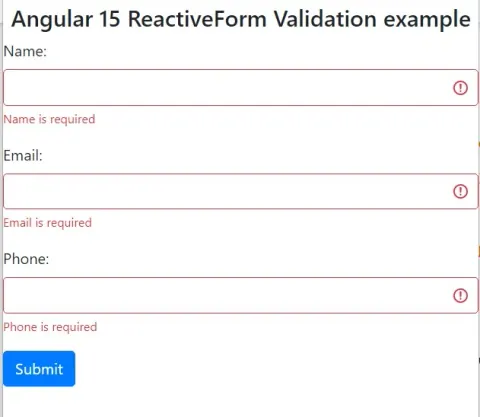
Angular Reactive forms are an essential part of building modern web applications. These forms allow for a more streamlined approach to managing data input and validation, and they are highly customizable. In this blog post, we will explore how to create an Angular Reactive form with display validation
TypeScript Versions In Angular
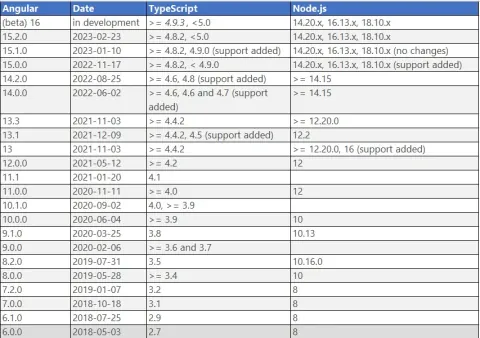
TypeScript is a superset of JavaScript and is widely used for developing large-scale applications. Angular, one of the most popular front-end frameworks, is built using TypeScript. When working with Angular, it's important to know which version of TypeScript is being used in your project. In this blog post, we'll discuss how to identify the TypeScript version in an Angular project.
Binding The Strictly Typed Reactive Form Controls To The Template
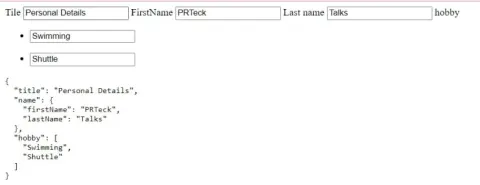
In Angular, there are several types of control bindings that can be used in reactive forms. These bindings allow you to connect form controls to data sources and apply validation rules to them
Create Registration Form In Angular 14
In this blog, you will learn how to create a Registration form in angular 14.
Template-Driven And Reactive Forms In Angular
In this blog, you will learn about Template-Driven and Reactive Forms in Angular.
Angular Reactive Typed Form
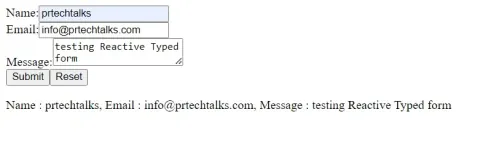
Reactive Typed Forms are a feature of Angular that allow developers to create forms that are both reactive and strongly typed. Reactive forms are built using the RxJS library, which is a powerful library for building reactive applications. With Reactive Typed Forms, developers can define the form structure and data types using TypeScript interfaces, which provides strong typing and ensures type safety throughout the application.