Loading
Angular Life Cycle
Angular is a popular JavaScript framework used for building web applications. It has a number of lifecycle hooks that provide developers with opportunities to perform certain actions during different stages of an Angular component's lifecycle.
Dynamic Configuration Of Angular API URL Using Docker Compose YML File
Dynamic Configuration of Angular Environmental Variables and Backend .NET Core API URL using Docker Compose YML File.
Build End-to-End .NET Core API And Angular Application Using Kubernetes
Build End-to-End .NET Core API and Angular Application on Kubernetes
Containerization Of Angular Application Using Kubernetes And Docker
Containerization of Angular Application using Kubernetes and Docker
ngIf In Angular With Example
In this article, we will see *ngIf concept in Angular and its example with simple code and definition.
Angular Partial Reactive Forms
In reactive forms, suppose if you create some fields and later, if need arises that you want to use these same fields in other parts of the application then need to manage them on multiple places. So, you have to create all the related form fields into their own group in separate component and use the same component on multiple reactive forms.
Pass x-www-form-urlencoded Data In Angular
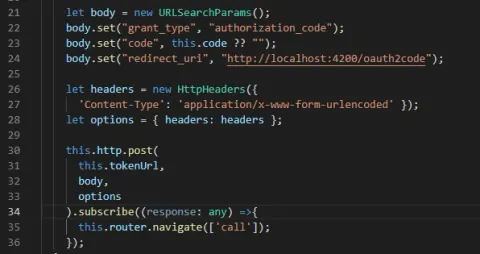
In this blog, you will learn about Pass x-www-form-urlencoded data in angular.
Install ng-bootstrap Library In Angular
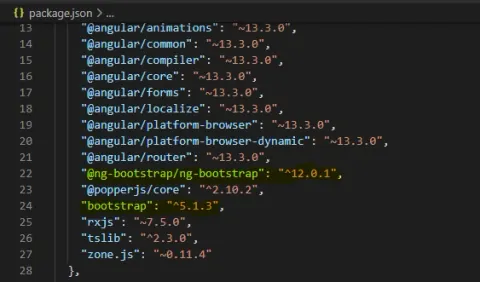
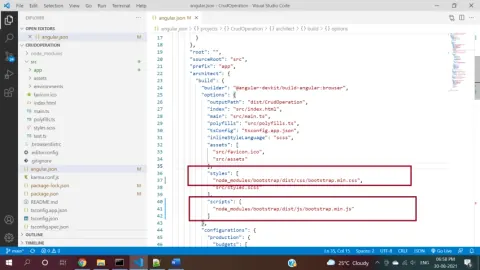
In this blog, you will learn how to install ng-bootstrap library in Angular.
Difference Between Observable, Eventemitter, and Subject
Difference between Observable and Subject? Whether use Eventemitter or Subject to transfer data from one component to another component.
Angular Confirmation Dialog With Custom Response
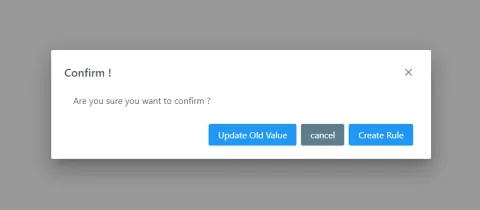
In this blog, we are going to create angular project for the Confirmation dialog with the custom response option, or we can say a custom buttons for the different functions.
Angular Life-cycle Hooks
This blog is about the life cycle hooks which get executed when an angular component loads.
How To Deploy Angular Applications Using GitHub Pages
This blog shows how to deploy an angular application using GitHub pages.
How Components Communicate With Each Other In Angular
In this blog, we learn about how angular communicate with each other and in the simplest way possible.
Angular Components Communication
In this blog we will be discussing about the data transfer between different components having no relationship in Angular framework.
Angular - Reactive Forms
In this blog, you can learn more about angular forms. Difference between reactive and template-driven approach and you will find Explanation in simple words about how to use reactive forms in angular with the help of code Happy learning !!!
CRUD Operations In Angular Application
In this blog, I'm going to explain how to create an angular app and implement CRUD operation.
Google Map In Angular
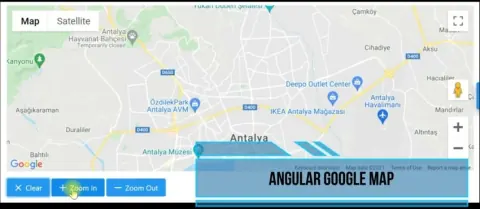
In this blog, I'm going to explain how to implement Google Map in Angular application.
Creating your first Angular App
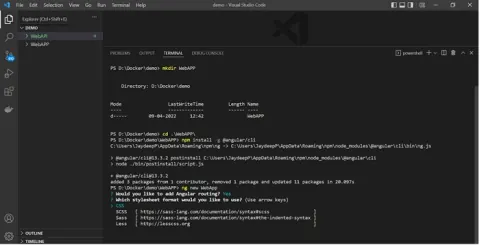
In this article, you will learn how to create your first Angular App.
Angular Parent-Child Components Communication
This blog is to discuss about the data-flow from parent to child components and vice-versa in Angular.
Basic Structure Of An Angular Application
Project structure of an Angular application. What are the default folders/files available once we create an Angular application.
Step By Step Guide To Create An Angular Project
A guide for your first Angular project. How to create new Angular project and how to run an Angular application.
Angular DevTools Is Here!
Angular Team has introduced Angular DevTools — a Chrome DevTools extension that you can use to inspect the structure of your applications and profile their performance.
Unit Testing In An Angular Application
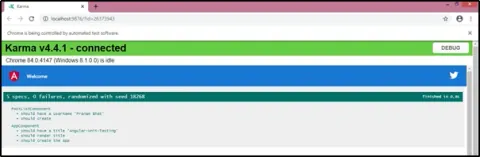
A step by step guide for unit testing in an Angular application.
What Is New In Angular 12
Angular 12 features and performance improvements. Steps to update Angular to the latest version.
How To Changes Current List Positions Next, Previous In Angular
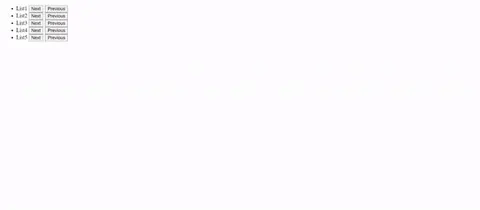
In this blog, you will learn how to changes current list positions next, previous in Angular.