Loading
PL/SQL SET Serveroutput ON
The PL/SQL SET SERVEROUTPUT ON command is used in Oracle SQL*Plus (or other similar Oracle interfaces) to enable the display of output from PL/SQL blocks. When you use commands like DBMS_OUTPUT.PUT_LINE() in your PL/SQL code to print values, you must use SET SERVEROUTPUT ON to make sure that the output is shown in the console. This command helps to debug and track the flow of your PL/SQL programs by displaying output results directly to the user interface.
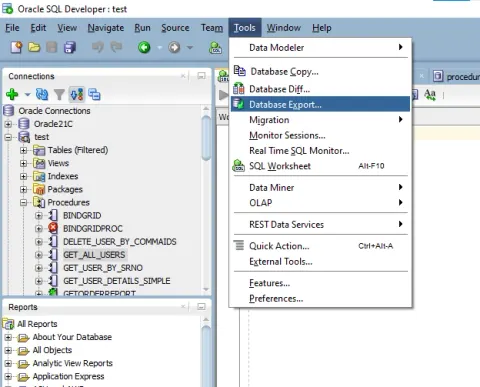
How to Get Table and Procedure Scripts in Oracle Server (Schema + Data Included)
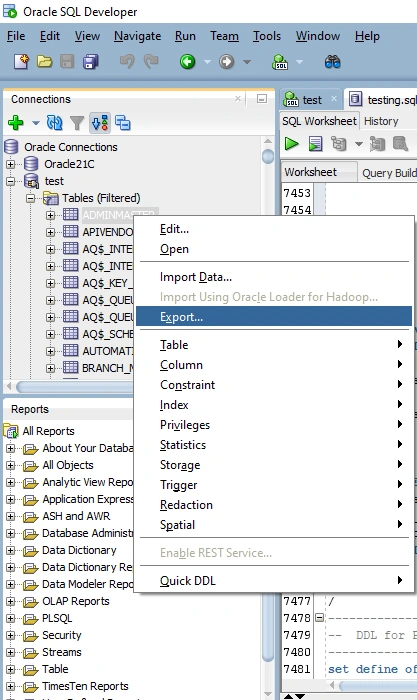
In this blog post, we will explore the process of extracting table and procedure scripts from an Oracle Database, including both schema and data. Whether you're migrating databases, creating backups, or simply documenting your database structure, knowing how to generate these scripts is essential for database administrators and developers alike. We will cover various methods to retrieve the DDL (Data Definition Language) for tables and stored procedures, as well as how to export the data contained within those tables. By the end of this guide, you will have a comprehensive understanding of how to effectively obtain and utilize table and procedure scripts in Oracle Server.
Control Statements and Looping Mechanisms in Oracle PL/SQL
Master control flow in Oracle PL/SQL! Learn IF/THEN/ELSE statements, nested conditions, and looping mechanisms (BASIC, WHILE, FOR) with practical examples.
Understanding TCL (Transaction Control Language) in Oracle — With Clear Examples for Developers
Learn how to use Transaction Control Language (TCL) commands like COMMIT, ROLLBACK, and SAVEPOINT in Oracle Database with clear examples for developers.
Mastering GRANT & REVOKE in Oracle Database (DCL) — Complete Guide with Examples
Learn how to use GRANT and REVOKE commands in Oracle Database to manage user access and database security with clear, step-by-step examples.
Data Manipulation Language (DML) in Oracle Database — With Practical Examples
Learn how to use Oracle Database Data Manipulation Language (DML) commands like INSERT, UPDATE, DELETE, and MERGE with practical examples and transaction management tips.
Understanding DDL in Oracle with Syntax and Examples
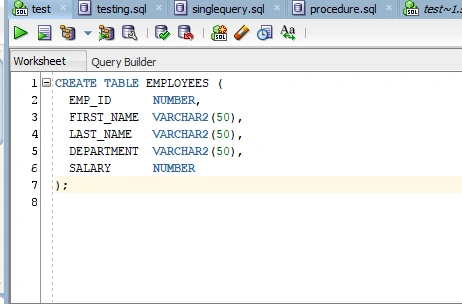
Learn essential Oracle DDL commands, including CREATE, ALTER, DROP, TRUNCATE, and RENAME, to manage and modify database structures. Understand syntax, usage, and best practices for schema changes.
Fix ORA-01017: Invalid Username or Password Error
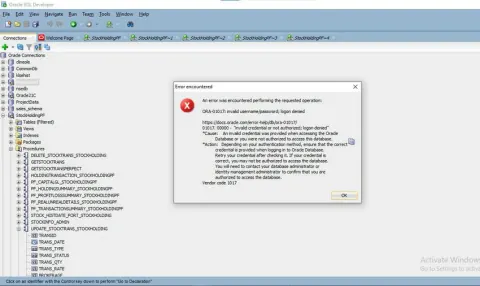
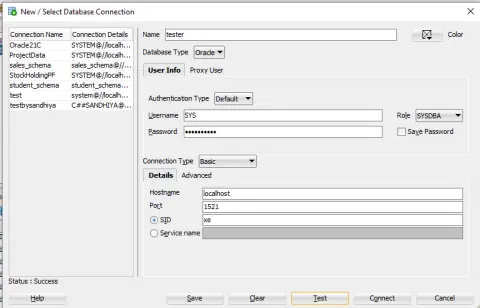
Learn how to fix the Oracle ORA-01017 error by resetting the SYSTEM user password using SQL*Plus. This guide covers multitenant (CDB/PDB) environments, SYSDBA access, and the proper use of service names.
Getting Started with Indexes in Oracle Database
Learn everything you need to know about indexes in Oracle Database, including their importance, types (B-tree, Bitmap, Unique, Composite, IOT, etc.), creation syntax, and real-world examples.
How to Change a Column Data Type from NUMBER to VARCHAR2 in Oracle Database
Learn how to change a column's data type from NUMBER to VARCHAR2 in Oracle Database safely. Step-by-step guide with SQL syntax, precautions, and tips for avoiding data loss.
How to Create a Schema in Oracle: Step-by-Step for Beginners
Learn how to create a schema in Oracle Database with this easy-to-follow guide. Whether you're a beginner or a developer looking to refresh your basics, this blog covers everything from what a schema is to how to create one using SQL commands.
Import Excel Data into Oracle
In this blog post, we will guide you through the process of importing Excel data into an Oracle Database.
Get Multiple User-Selected Table & Procedure Scripts in Oracle (Schema + Data)
In this blog post, we’ll walk through how to extract multiple table and procedure scripts from an Oracle database, including both the schema structure and the underlying data.
CRUD Operations in ASP.NET Web Forms Using Oracle Stored Procedures
In this blog, you'll learn how to perform Create, Read, Update, and Delete (CRUD) operations in ASP.NET Web Forms using Oracle Database with stored procedures.
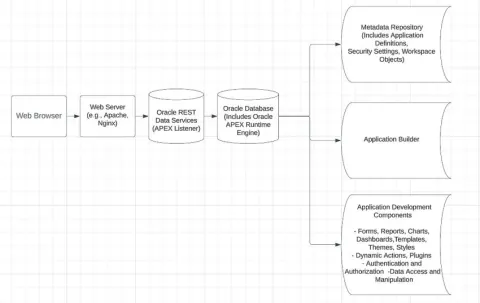
Architecture of Oracle APEX
The architecture of Oracle Application Express (APEX) involves multiple layers and components working together to enable the development and deployment of web applications.
Significance of (+) in Oracle Joins
SIGNIFICANCE OF (+) symbol in the join in Oracle SQL
Best Practices For Working With Date/Time Data In Oracle SQL
By following these best practices and utilizing the various date and time functions in Oracle SQL, you can effectively work with and manipulate date/time data in your queries.
Create Table Structure From Existing Table In Oracle SQL
In this blog, you will learn how to create Table Structure from Existing Table in Oracle SQL.
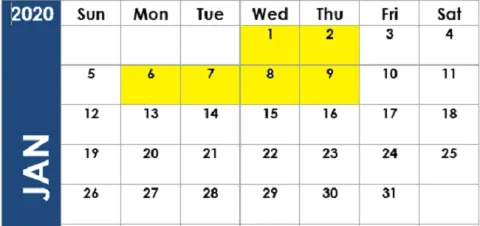
Function to Return Number Of Specified Days Between Two Dates
In this post, we are using SQL to create a function that will return the number of specified days between two dates.
Batch File For Taking Cold Backup And Expdp
In this blog, you will learn about batch file for taking Cold Backup and Expdp.
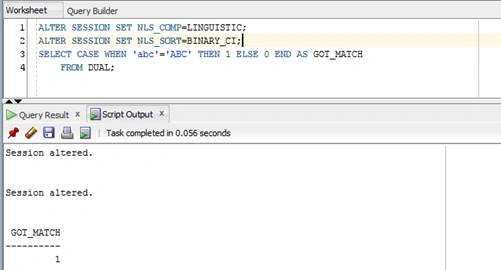
Enable Case Insensitive String Comparison In Oracle 12C
In this blog, we will look into doing character case insensitive string comparison in Oracle 12c.
Oracle Query To Get Total Count of Pending Counts Department Wise And Drill Down Data In Oracle
In this blog, you will see the Oracle query to get the total count of pending counts department wise and drill down data In Oracle.
SQL Parsing In Oracle PL/SQL
This blog will help you to understand how can we parse SQL query in oracle PL/SQL