Loading
Articles in Swift
Testing Swift Code With Parameterized Tests and Traits
Learn how to use Swift Testing parameterized tests and traits to cover multiple inputs, validation rules, and test execution behavior with less duplicated code.
How AI Is Reshaping the Future of iOS and macOS Development
Explore how AI is transforming iOS & macOS development! Discover on-device AI, Core ML, and AI-powered tools shaping the future of Apple app creation.
How to Fetch API Data in JavaScript
Learn how to efficiently fetch data from APIs using JavaScript's `fetch` and `async/await`. Master data retrieval for dynamic web applications. #JavaScript #API
Swift: A Modern Programming Language for Safe and Fast Application Development
Swift is a modern, high-performance programming language developed by Apple for building applications across iOS, macOS, watchOS, and beyond. It combines safety, speed, and expressiveness, making it a preferred choice for developers targeting Apple platforms.
Can I integrate a game into an existing SwiftUI app?
Yes, you can embed a game into a SwiftUI app using SpriteKit, SceneKit, or Unity. Learn how to integrate games into existing iOS projects, including code examples, pros, and common pitfalls.
SpriteKit vs SceneKit vs Metal vs Unity — Which One Should You Use for Your Swift iOS Game?
Learn the key differences between SpriteKit, SceneKit, Metal, and Unity for creating iOS games in Swift. Compare performance, ease of use, and best use cases to choose the right game engine.
Understanding the Difference Between Struct and Class in Swift
Learn the key differences between structs and classes in Swift. Understand memory behavior, identity, mutability, and when to use each with real examples, protocol usage, and best practices for clean code.
Practical SwiftUI: Managing State the Right Way
SwiftUI makes building UIs easier — until you hit state management. With so many property wrappers like @State, @Binding, @ObservedObject, and @EnvironmentObject, it's easy to get confused. If you've ever wondered when to use what, you're not alone. Let’s simplify it with clear explanations and real examples.
What's New in Swift 6.2
Swift 6.2 introduces a range of enhancements and new features, primarily focusing on improving concurrency and data race safety, while also enhancing performance optimizations.
How to Use Combine framework in SwiftUI?
Combine framework enhances SwiftUI by managing data flow, essential for reactive UIs. Publishers emit data, subscribers receive, and operators transform streams. Learn to create publishers, subscribe within views, use operators, and apply advanced techniques like error handling and cancellation.
State Management in SwiftUI with StateObject and EnviromentObject
SwiftUI provides a powerful and declarative method for creating user interfaces. Nonetheless, effectively managing application state is essential for developing maintainable and responsive applications.
How to Create a Custom Property Wrappers in SwiftUI?
Property Wrappers, a potent and flexible addition unveiled in Swift 5.1, enable the creation of custom property wrappers within SwiftUI, offering substantial versatility.
What is New in the Swift 5.10?
Swift 5.10 focuses on improving concurrency features with stricter data race checks. Swift 5.10 enhances concurrency safety by enforcing data isolation and preventing data races. Actors and tasks ensure exclusive access to a shared state.
Top iOS Interview Questions in 2024
This article is about what are the top interview questions you can prepare for interview. Mastering iOS development involves a deep dive into Swift, app architecture, UIKit, networking, data management, debugging, and optimization for interview success.
How to write Unit Tests for SwiftUI Views?
Learn the key practices for writing unit tests for SwiftUI views in iOS and macOS apps. This guide covers project setup, effective testing methods, and leveraging SwiftUI's testing framework. With code examples and best practices, ensure your views' reliability and maintainability through thorough unit testing.
Create a Search Bar in SwiftUI
Learn how to implement a dynamic search bar in SwiftUI for iOS apps. Discover the SwiftUI TextField component to capture user input, integrate it with SwiftUI navigation, and utilize the Combine framework for data filtering.
Background Refresh: Keeping Your App Updated and Responsive
In this article you will learn optimal techniques for ensuring your app stays updated and responsive through the background refresh.
Display API Data on List Using SwiftUI
In this article, we will fetch and display data on a list using SwiftUI. Learn to fetch and display data in a list using SwiftUI. Set up a SwiftUI project in Xcode, create a struct conforming to Codable and Identifiable protocols, fetch data using URLSession, and design the UI.
Lets Create TabView in SwiftUI
This article contains a simple demo of creating Tab View in SwiftUI. Learn how to create a Tab View using SwiftUI in this tutorial. Follow step-by-step instructions to integrate tabs like Home, Favorites, Orders, and Settings into your SwiftUI project for streamlined navigation and enhanced UI customization.
Fetch Data From Nested JSON In API
In this article, we will learn to fetch data from nested JSON in API using URLSession in Swift programming language.
Learn about Navigation in SwiftUI
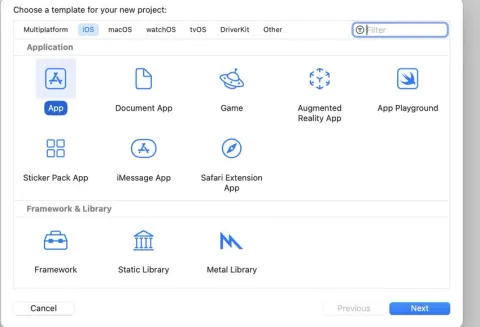
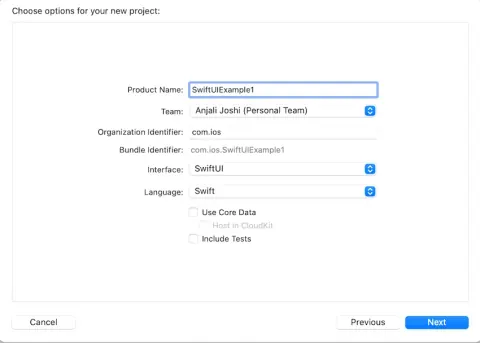
This article contains a simple demo of navigation in Swift. Learn SwiftUI navigation with this step-by-step guide. Create a SwiftUI project, add NavigationLinks, and enhance the UI with Lists for smoother screen transitions. Happy coding!
Getting Started with SwiftUI
This article describes SwiftUI as a user interface toolkit that enables developers to create visually appealing apps across various Apple platforms with minimal coding. SwiftUI's compatibility with UIKit and AppKit allows for a smooth transition for developers already familiar with these frameworks.
Fetch Data From API Using URLSession
This article contains simple demo on how to fetch data from API using URLSession in Swift Programming Language.
iOS - Choosing Image From Photo Library In Swift
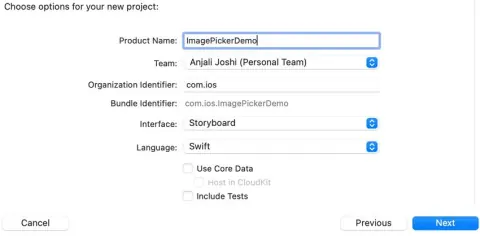
This Swift tutorial demonstrates creating a photo library access request, implementing a UIImageView, and handling image selection.
How to Create Floating Textfield in SwiftUI?
In this article we are going to learn how we can create floating textfield in swiftUI.