Loading
Topic
Catch Blocks
4 posts about Catch Blocks by 3 contributors.
Know Catch Blocks? Share what you know with developers who are learning it.
+ Follow Catch BlocksBe the first to follow this
- Articles
- 4
- Contributors
- 3
Articles about Catch Blocks
- Article · C#
Using Await in Catch and Finally Blocks: A New Feature of C# 6.0
Learn how C# 6.0 allows await expressions in catch and finally blocks, enabling asynchronous exception handling and cleanup operations.
- Article · C#
Learn Exception Handling in C#
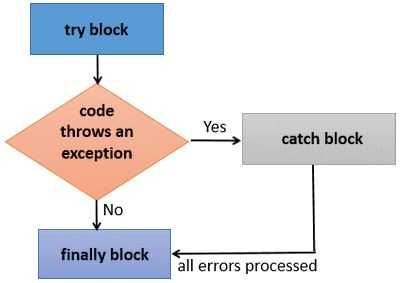
Exception Handling in C# is crucial for robust code. Using try-catch blocks, catch blocks, and finally blocks, developers manage unexpected issues gracefully, ensuring dependable and solid applications.
- Article · Exception Handling
Exception Handling With C#
This article explains how to properly handle existing exceptions using try, catch, finally and throw blocks and how to create your own custom exceptions.
- Article · Exception Handling
Exception Handling
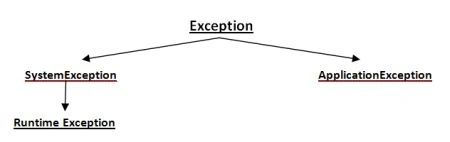
Exceptions in C# provide a structured, and type-safe way of handling both system level and application level error conditions. The exception mechanism in C# is very similar to that of C++, with a few important differences.