6 posts about C# Reflection by 6 contributors.
Know C# Reflection? Share what you know with developers who are learning it.
Understand the differences between var, object, and dynamic in C#, including compile-time typing, runtime binding, boxing, performance, and practical use cases.

Explore C# Reflection in ASP.NET WebForms! Dynamically inspect types, create objects, and invoke methods at runtime. Perfect for plugins and dynamic UIs.
Unlock the power of runtime intelligence with .NET Reflection! This article explores how to inspect and manipulate .NET code at runtime, covering key components like Assembly and Type inspection, dynamic member invocation, and custom attributes. Discover practical applications in dependency injection, ORMs, and testing, while learning best practices for performance and security. Explore alternatives like source generators for optimized metadata access.
Reflection in C# enables runtime inspection and interaction with types, methods, and properties. It’s powerful for dynamic scenarios like plugin systems, but should be used cautiously due to performance risks.
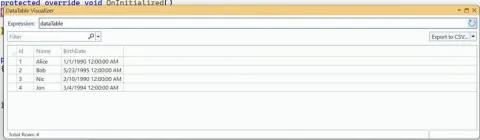
In real-world C# applications, especially when working with data layers or exporting data (e.g., to Excel, reports, or grids), you may often need to convert a generic list of objects (List<T>) to a DataTable. This article shows you how to do that in a clean, reusable way using reflection.
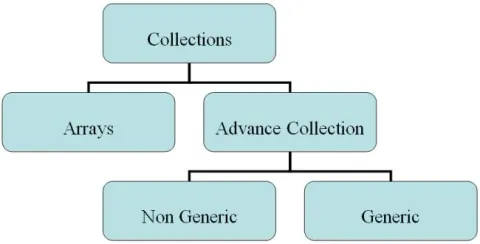
This article defines the collection and reflection of C# in Detail.
DevSocialUpcoming · 3rd editionAI Agents ConferenceNov 23–27, 2026Live onlineMembers only16days leftRegisterPublish an article in this category and earn +1,000 SHARP when it is approved.
Write an article