Loading
Article · PostgreSQL
PostgreSQL VACUUM Explained: How to Control Table Bloat
Learn how PostgreSQL VACUUM, VACUUM ANALYZE, VACUUM FULL, and autovacuum manage dead tuples, table bloat, planner statistics, and storage.
10 posts about database maintenance by 8 contributors.
Know database maintenance? Share what you know with developers who are learning it.
Learn how PostgreSQL VACUUM, VACUUM ANALYZE, VACUUM FULL, and autovacuum manage dead tuples, table bloat, planner statistics, and storage.
Prepare PostgreSQL 14 environments for upgrade before November 2026 by assessing compatibility, extensions, application dependencies, migration risks, testing, and rollback strategies.
Troubleshoot daily CPU spikes! Discover common causes like cron jobs, backups, and database maintenance. Optimize schedules for stable server performance.
Database disk full even after deleting data? Learn why! Discover the hidden reasons behind persistent storage growth and how to reclaim valuable space.
Uncover why PostgreSQL performance degrades seemingly overnight after months of stability. Learn to identify gradual accumulation of inefficiencies and prevent sudden slowdowns.
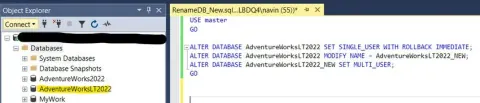
Renaming a database in SQL Server is vital for tasks like aligning naming conventions, testing, or version control. It involves setting the database to single-user mode, ensuring no active connections, using the ALTER DATABASE command, and managing dependencies.
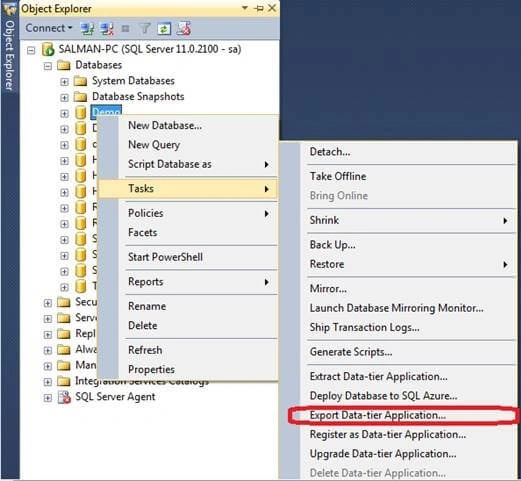
Learn to backup and restore databases in SQL Server without .bak files using SQL scripts or tools like SSMS. Utilize Transact-SQL commands or export/import data to ensure data integrity and continuity. Master backup and recovery strategies for effective database maintenance.
This document provides essential tips for effectively maintaining a production database, aimed particularly at developers who may not be professional database administrators. It covers topics such as data and log file management, index fragmentation, statistics, corruption detection, backups, memory management, and processor management.
This article discusses strategies and best practices for optimizing SQL table data performance. Topics covered include indexing, normalization, partitioning, data types, query design, monitoring, hardware, caching, sharding, and maintenance. These practices aim to improve database efficiency and, in turn, enhance application performance and user satisfaction. Regular maintenance is stressed for sustained success.
Database administration, RAID , improve performance, securing an SQL Server, deadlock , live lock, blocking, restart SQL Server, DBCC commands, database maintenance, statistics, moving data, databases, BACKUP, replicaion, service pack.
 Saurav Kumar3 posts · 4.6k reads2
 Nipun Tomar1 post · 29k readsMVP3
 Salman Beg1 post · 21.8k readsMVP4
 Praveen Kumar1 post · 4.5k readsMVP5
 Niharika Gupta1 post · 3.4k reads
 DevSocialUpcoming · 3rd editionAI Agents ConferenceNov 23–27, 2026Live onlineMembers only17days leftRegister
Publish an article in this category and earn +1,000 SHARP when it is approved.
Write an article