Loading
Topic
DDoS
6 posts about DDoS by 5 contributors.
Know DDoS? Share what you know with developers who are learning it.
+ Follow DDoSBe the first to follow this
- Articles
- 6
- Contributors
- 5
Articles about DDoS
- Article · .NET
DDoS Attacks and Prevention using .NET Core
This article covers the basics of DDoS (Distributed Denial of Service) attacks and prevention methods in .NET Core. It explains how to identify DDoS symptoms and apply preventive techniques, including rate limiting, IP blocking, monitoring, caching, and load balancing, to secure applications and servers effectively.
- Article · Azure
Securing Your Cloud Infrastructure with Azure DDoS Protection: Strategies and Examples
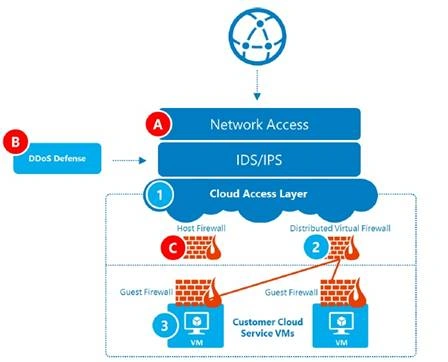
This article would talk about securing your cloud infrastructure with Azure DDOS protection with strategies, steps, and examples
- Article · Cyber Security
🖥️ Incident Handling: Common Malware Attacks
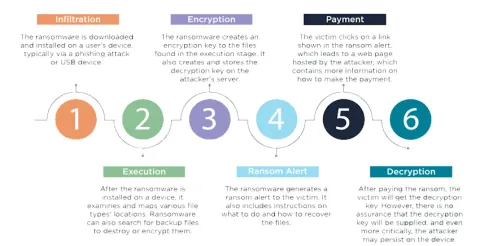
Explore the realm of malware attacks, unveiling the intricacies of threats like ransomware, computer viruses, worms, Trojan horses, and adware. Delve into their types, characteristics, and potential impact on computer systems and networks.
- Article · Cyber Security
🖥️ Incident Handling: Common Domain Attack Types
In this article, we will go through different types of Domain Attacks. Domain attacks, including Typosquatting, Domain Hijacking, Pass the Hash, Pass the Ticket, LDAP Reconnaissance, and Brute Force, with insights and incident-handling guidance.
- Article · Cyber Security
DoS & DDoS attacks
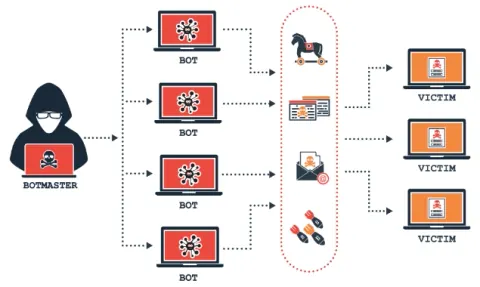
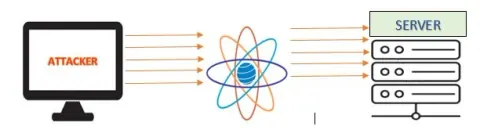
Denial of Service (DoS) and Distributed Denial of Service (DDoS) attacks are malicious attempts to disrupt the normal functioning of a targeted server, service, or network by overwhelming it with a flood of traffic. In a DoS attack, a single source is used to flood the target, while DDoS attacks involve multiple sources, making them harder to mitigate. The aim is to render the targeted system or network unavailable, causing service outages, financial losses, and reputational damage. Countermeasures include network security protocols, firewalls, and traffic filtering systems.
- Article · Azure
Microsoft Azure Security And Protection Against DDoS
Microsoft Azure Security And Protection Against DDoS.