Loading
Topic
Deadlocks
10 posts about Deadlocks by 10 contributors.
Know Deadlocks? Share what you know with developers who are learning it.
+ Follow DeadlocksBe the first to follow this
- Articles
- 10
- Contributors
- 10
Articles about Deadlocks
- Article · SQL Server
SQL Server Lock Escalation: Why One Query Can Block Other Users
Learn why SQL Server escalates locks, how escalation can cause blocking, and how to identify blocking sessions and lock waits using DMVs.
- Article · Threading
Why .Result and .Wait() Can Hang Applications
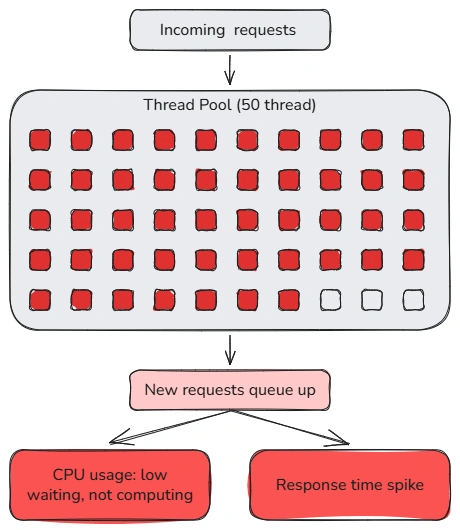
Learn why blocking on Task.Result or Task.Wait can cause deadlocks and thread-pool starvation in .NET applications, and how async/await avoids these hangs.
- Article · C#
Difference between lock(this) and lock(privateObj) in C#
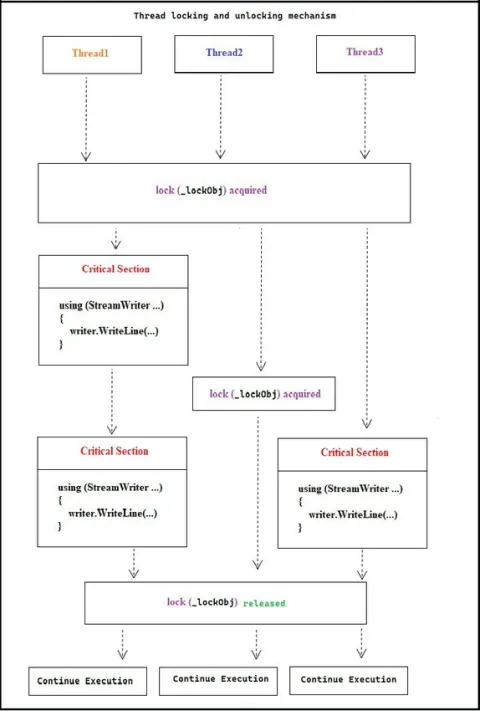
In multi-threaded C# programming, the lock statement ensures that critical code sections are accessed by only one thread at a time. While lock(this) locks on the current instance, it can expose your object to external locking, leading to potential deadlocks.
- Article · .NET
Enhancing Performance and Safety with System.Threading.Lock in .NET 9 and C# 13
Explore the new System.Threading.Lock in .NET 9 and C# 13 for enhanced multithreading performance and safety. This article covers its benefits, compiler warnings for misuse, and best practices for locking in older versions.
- Article · C#
Benefits of Locking and Unlocking Objects in C#
Object locking in C# ensures controlled access to shared resources in multithreaded environments, preventing race conditions and maintaining data integrity. By using the lock statement, you can synchronize threads, ensuring thread safety and avoiding deadlocks.
- Article · .NET Core
Understanding Deadlocks in C# and .NET Core
Deadlocks, common in concurrent C# programs, occur when threads wait indefinitely for each other's resources. Learn prevention strategies and understand scenarios to ensure robust application execution.
- Article · SQL Server
How to Find Blocked Deadlocks in SQL?
The SQL query utilizes dynamic management views (DMVs) like sys.dm_exec_requests, sys.dm_exec_sessions, sys.dm_exec_connections, and sys.dm_exec_sql_text to monitor and manage active sessions, connections, and SQL statements on a SQL Server instance.
- Article · C#
How To Debug Multithreaded Programs In C#
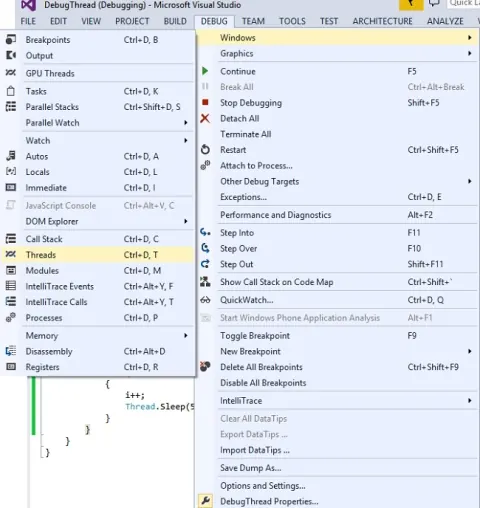
This article is mainly focused on the process of multithread debugging.Debugging multithreaded programs in C# can be challenging because multiple threads can run concurrently, making it difficult to predict the order of execution and identify potential issues. However, there are several techniques and tools you can use to effectively debug multithreaded programs in C#
- Article · SQL Server
Understanding and handling SQL Server Transaction Deadlocks
Deadlocks occur when two users have locks on separate objects and each user wants a lock on the other's object.
- Article · Threading
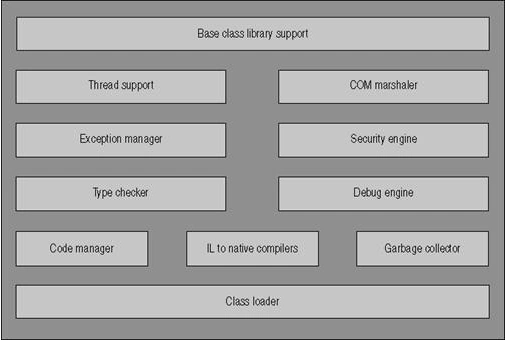
Understanding Threading in .NET Framework
This article describes how to use threading model in .NET Framework including creating, joining, suspending, killing, and interlocking threads. Create thread in C#, Join thread in C#, Suspend thread in C#, Kill thread in C#,