Delve deeper into React's useState hook! This guide explores advanced patterns like lazy initialization, object state management (spreading!), and avoiding common pitfalls such as incorrect updates and using useState in loops. Understand how React optimizes state updates and ensures efficient re-renders. Master useState for robust and performant React components. Learn how to initialize state only once and the importance of using functional updates.
React Hooks like useEffect, useReducer, and useMemo simplify functional components by managing state, handling side effects, and optimizing performance. They enable cleaner, faster, and more maintainable React applications.
React Hooks let developers use state, lifecycle methods, and other React features in functional components. Hooks like useState, useEffect, and custom hooks make code cleaner, reusable, and easier to manage.
Functional and class components are core to React. Learn their differences, syntax, state handling, lifecycle methods, and why modern development often prefers functional components with Hooks for cleaner code.
React components are the building blocks of UI in React. They can be functional or class-based, use props and state for data, and support hooks like useState and useEffect for dynamic, reusable, and interactive interfaces.
Explore the seamless integration of React Hooks and TypeScript in the latest guide by Ziggy Rafiq, now published on C# Corner. Discover how to unleash the power of functional components for efficient state and side effect management. Elevate your React development skills today
Destructuring in React allows efficient extraction of values from objects or arrays. Event handlers manage user interactions, like clicks or input changes. They're essential for interactive UIs in React, enabling dynamic responses to user actions.
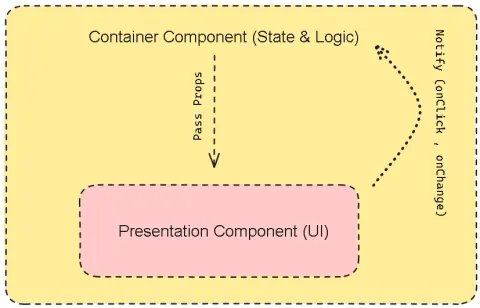
Learn how to master the Container/Presentational Pattern in React with our comprehensive guide. This design pattern separates view and application logic, promoting improved code organization, reusability, and easier testing.
Learn practical React development tips, including functional components, conditional rendering, state updates, prop type checking, and component organization.