7 posts about Garbage collection in C# by 4 contributors.
Know Garbage collection in C#? Share what you know with developers who are learning it.
Learn how the Common Language Runtime works in C#, including JIT compilation, garbage collection, memory management, exception handling, type safety, and threading.

Garbage Collection in C# automatically manages memory by clearing expired objects. It uses generations (Gen 0, 1, 2) for optimization. Dispose and Finalize handle resource cleanup, preventing memory leaks and enhancing performance.
Here you will learn one very important concept of garbage collection called “Finalize dispose pattern”.
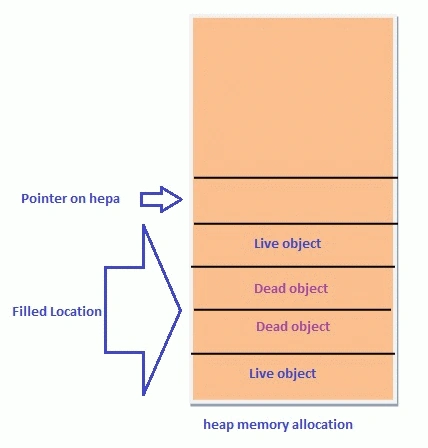
In this article we will see how the Garbage Collection algorithm works. We will next see how to implement a weak reference to optimize performance.
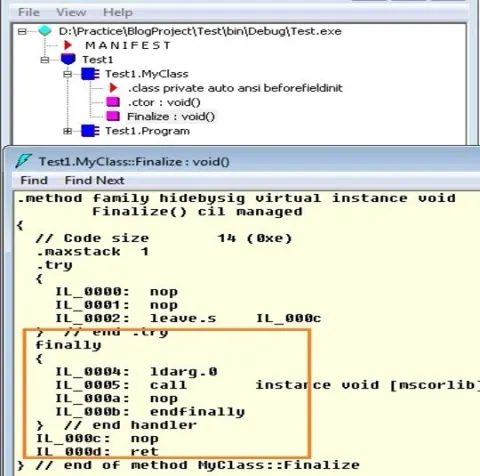
Today we will clarify one fundamental idea of Garbage Collection. The idea is that a destructor is nothing but a finally block in C# and the finally block is always used to clean up resources.
In this series of article we will try to learn few general concept of garbage collection in C#.NET. And in upcoming article we will dig in dipper and try to learn few behind the screen concept.
This article will describe about Garbage Collection. Garbage collection in Microsoft .NET common language runtime environment completely absolves the developer from tracking memory usage and knowing when to free memory.
DevSocialUpcoming · 3rd editionAI Agents ConferenceNov 23–27, 2026Live onlineMembers only16days leftRegisterPublish an article in this category and earn +1,000 SHARP when it is approved.
Write an article