Loading
Topic
HTTP Interceptor
7 posts about HTTP Interceptor by 7 contributors.
Know HTTP Interceptor? Share what you know with developers who are learning it.
+ Follow HTTP InterceptorBe the first to follow this
- Articles
- 7
- Contributors
- 7
Articles about HTTP Interceptor
- Article · ASP.NET Core
Caching Strategies in Angular and .NET Core
Caching enhances web application performance and scalability. In Angular, use HTTP interceptors, service workers, local storage, or IndexedDB for client-side caching. In .NET Core, leverage in-memory or distributed caching and response caching middleware for server-side caching.
- Article · Angular
Angular HTTP Interceptors: Sending Tokens with Every Request
In modern web applications, authentication plays a crucial role in securing resources and ensuring that only authorized users can access certain parts of the application. One common way to handle authentication is by using tokens, such as JSON Web Tokens (JWTs).
- Article · Angular
HTTP Interceptors in Angular
Explore the essential concepts of HTTP Interceptors in Angular, their benefits, and practical applications using step-by-step examples with Angular 15, improving HTTP request handling and enhancing functionality.
- Article · Angular
Error Handling With Angular
In this article, you will learn about Error Handling with Angular.
- Article · Angular
How To Use HTTP Interceptor In Angular
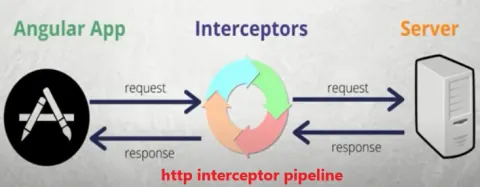
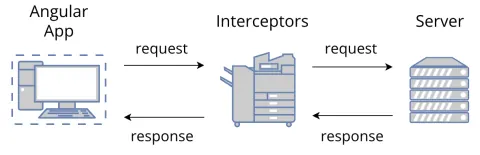
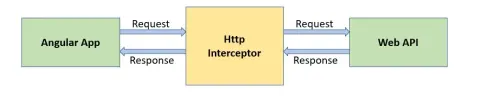
Angular Interceptor helps us modify the HTTP request by intercepting it before the request is sent to the backend. You can also change the incoming response from the backend. The Interceptor globally captures all incoming and outgoing requests in one place. We can use it to add custom headers to the outgoing request, log the incoming response.
- Article · Angular
Manage HTTP Requests In Angular: Http Interceptor
Manage HTTP Requests In Angular using Http Interceptor
- Article · Angular
Client-Side Caching In Angular 8 Using HTTP Interceptor
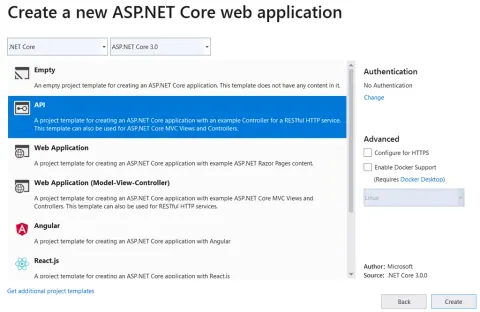
In this post, we will see how to achieve client-side caching in Angular 8 application using HTTP Interceptor. We will create an ASP.NET Core 3.0 application with SQL server as backend to save and retrieve the employee data.