8 posts about JavaScript runtime by 5 contributors.
Know JavaScript runtime? Share what you know with developers who are learning it.
Learn what changes when Node.js 26 enters Active LTS, including support expectations, runtime features, dependency checks, and steps to prepare an application for production.

Explains what Deno joining Cloudflare means for Deno Deploy, self-hosted apps, and possible migration to Cloudflare Workers.
Bun vs Node.js in 2026: Compare performance, architecture, and use cases. Choose the right JavaScript runtime for your project.
Node.js is a fast, scalable JavaScript runtime for building server-side apps. With event-driven, non-blocking I/O and a huge NPM ecosystem, it’s ideal for real-time apps, APIs, and full-stack development.
This article explains the concept of the Event Loop in Node.js, why it exists, how it works step-by-step, and how it allows asynchronous, non-blocking operations in a single-threaded environment. Includes clear JavaScript examples to make the topic easier to understand.
This article explains in simple words why Node.js is designed to be single-threaded, the role of its event-driven architecture, and how it achieves concurrency using the event loop, asynchronous operations, and non-blocking I/O. Includes clear explanations and code examples in JavaScript.
Compare JavaScript and TypeScript, including their typing models, object-oriented features, debugging, error detection, and client-side and server-side support.
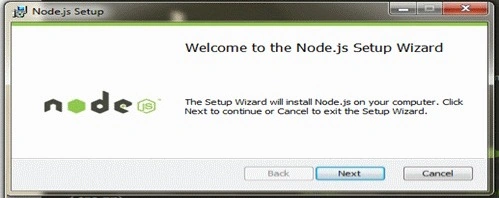
In this article, we will learn the installation process of the node.js environment and create a simple Hello World application with node.js.
Publish an article in this category and earn +1,000 SHARP when it is approved.
Write an article