Loading
Topic
MVC Life Cycle
7 posts about MVC Life Cycle by 3 contributors.
Know MVC Life Cycle? Share what you know with developers who are learning it.
+ Follow MVC Life CycleBe the first to follow this
- Articles
- 7
- Contributors
- 3
Everything about MVC Life Cycle
- Article · ASP.NET
MVC Architecture & MVC Life Cycle
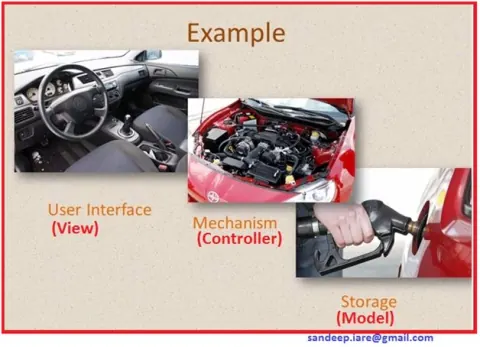
MVC Architecture divides an app into models, views & controllers, managing data, UI, & logic separately. Its lifecycle begins with routing & ends with rendering, ensuring smooth interaction between components.
- Article · ASP.NET
Web Form And MVC Life Cycle
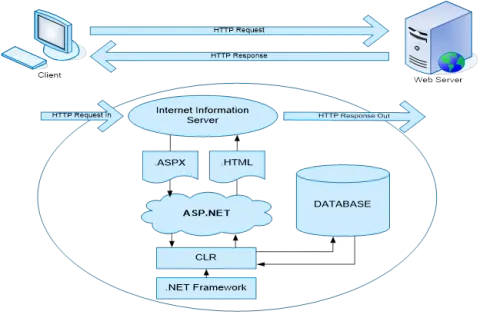
When we open the HTML file into the browser, it can open into the browser. But when we try to open the file in PHP or asp into the browser it can’t open into the browser. Because these languages are not native to the browser. Only client-side ‘html’ language is native to the browser. And if we want to open the PHP or asp file into the browser then we need a server who translate this code into browser native code.
- Article · ASP.NET
MVC Life Cycle - Part 5
In this article, we will continue from the previous points and delve further into MVC components.
- Article · ASP.NET
MVC Life Cycle - Part Four
Learn how ASP.NET MVC creates and initializes controllers by implementing IController and registering a custom IControllerFactory.
- Article · ASP.NET
MVC Life Cycle - Part 3
Learn how to create and register a custom IHttpHandler in an ASP.NET MVC application using routing, and how handlers differ from HTTP modules.
- Article · ASP.NET
MVC Life Cycle - Part 2
In this article you will learn about the MVC Life Cycle. This is part two of the series.