8 posts about Property Binding by 7 contributors.
Know Property Binding? Share what you know with developers who are learning it.
Data Binding in Angular" explores the foundational concepts and practical applications of binding data between components and views in Angular applications. It covers two-way and one-way binding mechanisms, including interpolation and property binding.

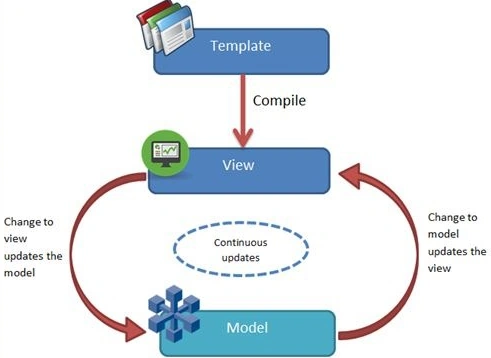
Learn how data binding works in Angular 8, including interpolation, property binding, event binding, and two-way binding.
The basic need of Binding is requirement of data for perform any operation within the application so in this case we can use Binding and perform required operation which is our need for any feature.
Data binding is a core concept in Angular that allows developers to establish a connection between the application's data. In this article, we'll delve deep into the various types of data binding mechanisms in Angular, providing detailed examples to help beginners understand and leverage these powerful features effectively.
Data binding serves as the communication bridge between the template (representing the view) and the component (housing the application's logic and data).
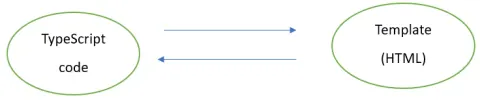
Data-binding means communication between your typescript code of your component and your template which user sees. Suppose you have some business logic in your component typescript code to fetch some dynamic data from the server and want to display this dynamic data to the user via template because user sees only template, here we need some kind of binding between your typescript code and template (view).
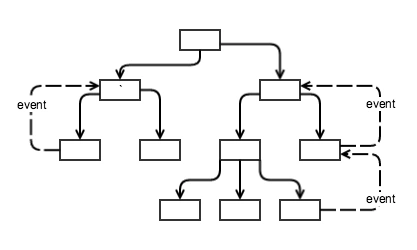
In this article, you will learn about the output property binding process in AngularJS 2.0.
In this video we will learn about Property Binding in Angular 2.
DevSocialUpcoming · 3rd editionAI Agents ConferenceNov 23–27, 2026Live onlineMembers only16days leftRegisterPublish an article in this category and earn +1,000 SHARP when it is approved.
Write an article