8 posts about React Suspense by 5 contributors.
Know React Suspense? Share what you know with developers who are learning it.
Next.js 16 Partial Prerendering (PPR) blends static speed with dynamic content. Learn how it works and improves user experience with practical examples.

Master React API error and loading state handling for a superior user experience. Learn best practices, custom hooks, and data fetching libraries. Build robust apps!
Unlock smarter async UI rendering in React 18+ with Suspense! Learn how to declaratively manage loading states, improve user experience, and optimize performance.
Unlock smoother user experiences in your React apps with Suspense! This guide simplifies asynchronous data handling, replacing messy loading states with elegant fallbacks. Learn how to implement code-splitting, data fetching, and error handling using Suspense, complete with practical examples and best practices.
React has come a long way from simple component-based UI building. With the introduction of React 18, features like Suspense and Concurrent Rendering have changed the way we think about performance, data fetching, and user experience. If you have ever struggled with slow-loading components or flickering UIs, these features are built for you.
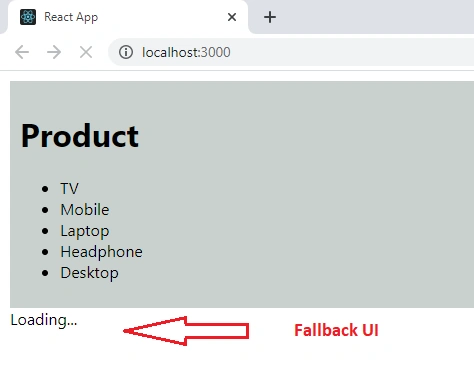
Lazy loading in React helps improve app performance by loading components only when they are needed. This article explains what lazy loading is, why it is important, and how you can implement it in a React project with code examples.
Explore advanced MERN-stack techniques including MongoDB lookups, schema validation and Change Streams, React Suspense and profiling, Node.js streaming, and HTTP/2.
In this article, you will learn about lazy loading and how to implement in React applications.
Publish an article in this category and earn +1,000 SHARP when it is approved.
Write an article