Routing in MVC
9 posts9 contributors
Everything about Routing in MVC

MVC Architecture And Its Pipeline
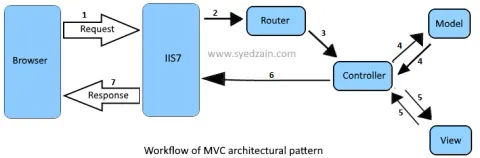
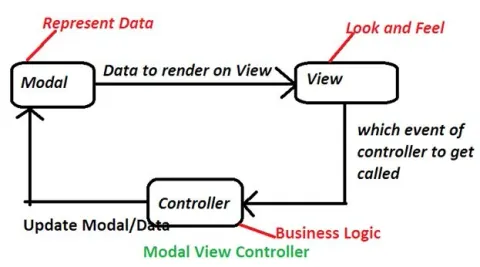
MVC Architecture organizes applications into Model, View, and Controller components, each serving distinct roles. The MVC pipeline manages requests, routing them through controllers to interact with models and render views, ensuring separation of concerns and streamlined development.
Routing In MVC with Code Example
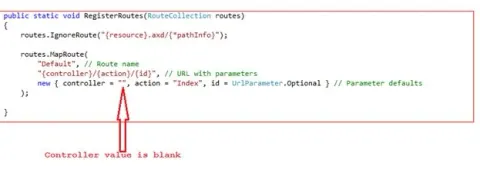
MVC applications rely on a routing system to handle URL requests, mapping them to controllers and actions. RouteConfig.cs defines routes, connected to Global.asax.cs. Routes can be added via RouteCollection or using MapRoute method. Static URL segments and custom variables enhance routing flexibility.
Routing Constrains With Attribute Routing in MVC 5.0
In this article, I will demonstrate how to use Routing Constrains with Attribute Routing in MVC.
Routing in ASP.Net MVC
This article illustrates Routing in ASP.NET MVC. ASP.NET MVC uses ASP.NET routing to map incoming browser requests to controller action methods.
MVC Routing: Errors Troubleshooting of MVC Routing
This article describes error troubleshooting of MVC Routing.
Working With Routes in MVC Framework
In this article I have explained an important feature of MVC known as Routing. I have explained many of its key features.
ASP.NET 3.5 URL Routing in MVC Framework
This post speaks about basics of URL Routing and how URL Routing related to building a ASP.NET MVC Application. This post specifically speaks about how URL Routing is used in ASP.NET MVC Application.
Routing in MVC
Learn how ASP.NET MVC routing maps URLs to controllers and actions, including default routes, custom routes, route order, and remapping old URLs.