6 posts about Software Development Life Cycle by 3 contributors.
Know Software Development Life Cycle? Share what you know with developers who are learning it.
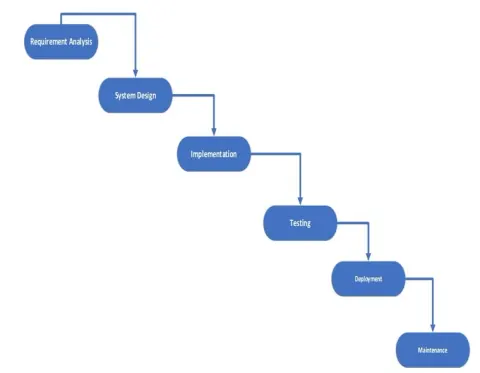
The software development life cycle is the process followed within a Software Organization. It is the detailed process that describes how to develop, maintain, and replace the software product.

The Software Development Life Cycle (SDLC) is a structured approach to delivering reliable software on time and within budget. Evolving since the 1960s from the waterfall model to Agile and DevOps, SDLC ensures systematic development, managing costs, and mitigating risks.
Software Requirements Engineering is the systematic process of gathering, documenting, analyzing, and managing the requirements for a software system. It is a crucial phase in the software development life cycle as it lays the foundation for the entire software development process. The primary goal of requirements engineering is to understand and define what the software system needs to accomplish, how it should behave, and what constraints and limitations it must adhere to.
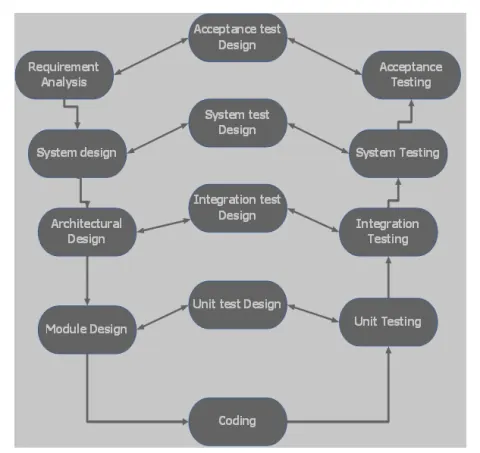
The V model is the SDLC Model where execution of the process happens sequentially. V model is also known as validation and verification. The V model is the extension of the Waterfall model based on the associated testing phase and development stages. This means that every phase in the V model is directly associated with the testing phase this is a highly disciplined phase.
The spiral model combines the idea of iterative development with the controlled and systematic aspects of the first model waterfall.
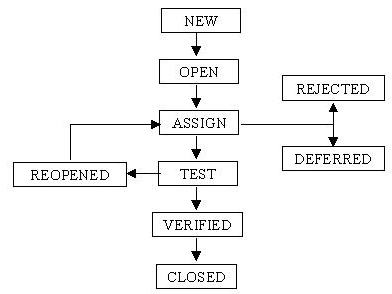
In this Article we define the various stages of testing.
DevSocialUpcoming · 3rd editionAI Agents ConferenceNov 23–27, 2026Live onlineMembers only16days leftRegisterPublish an article in this category and earn +1,000 SHARP when it is approved.
Write an article