Loading
Topic
Software Process Model
8 posts about Software Process Model by 1 contributor.
Know Software Process Model? Share what you know with developers who are learning it.
+ Follow Software Process ModelBe the first to follow this
- Articles
- 8
- Contributors
- 1
Everything about Software Process Model
- Article · Software Architecture/Engineering
Sequence Diagram Used in Software Development
The interactions between items or components in a system are often visualized in software development using sequence diagrams, a type of UML (Unified Modelling Language) diagram. By depicting the series of messages sent between items over time, they offer a dynamic view of how the system functions. Sequence diagrams are particularly helpful for planning, describing, and expressing the data and control flow that will occur during the execution of a specific scenario or use case. Sequence diagrams are used in software development for the following reasons and important components:
- Article · Software Architecture/Engineering
Activity Diagrams Used in Software Development
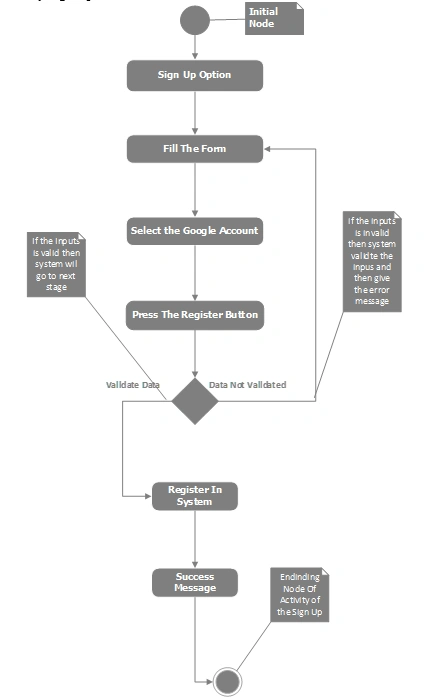
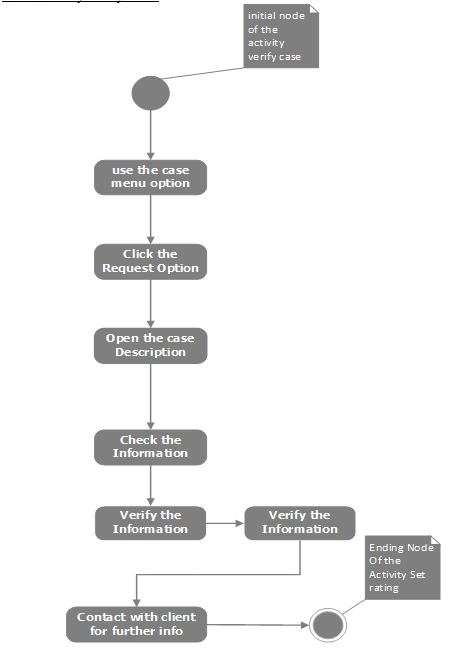
The "Unified Modeling Language" provides the foundation for the system flow diagram. This diagram illustrates how the user interacts with the system for each use case. How the system will function and how the user will be able to interact with it. Unified Modeling Language (UML) activity diagrams are a particular sort of behavioral diagram that show the flow and order of activities or processes within a system or business process. They show the numerous tasks, decisions, and actions that go into a process, emphasizing the sequence of events and the connections between distinct components. Activity diagrams are frequently used to represent intricate business processes, use cases, and software system Behaviour.
- Article · Software Architecture/Engineering
System Sequence Diagram Used in Software Development
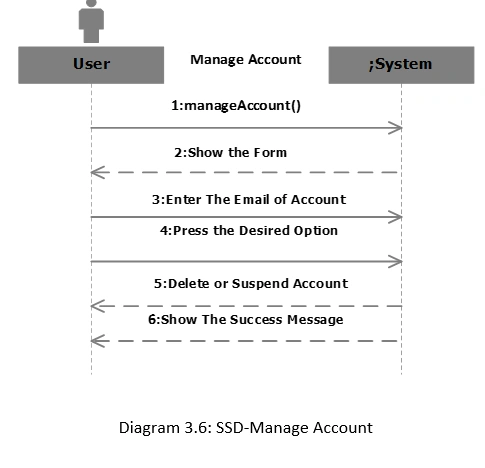
A System Sequence Diagram (SSD) is a UML (Unified Modelling Language) diagram used in software development to depict the interactions between an external actor and the system being developed. It illustrates the sequence of messages exchanged between the actor and the system to achieve a particular functionality or use case. Here's an example of how a System Sequence Diagram may look: 18.6 System Sequence Diagram: The system sequence diagrams are based on the “Unified Modelling Language” This diagram visualizes the use case against the canaries.
- Article · Software Architecture/Engineering
Why the Software Process Model is important
Software Process models have great importance in the development of software products. Every software model control, manage, guide, and monitor the software development process. Software process models give a clear way for the development process.
- Article · Software Architecture/Engineering
How to use Software Model Software Process Model
In this article, we will discuss how we can use the process models and the importance of software process models why software models are important for the development of software processes, and how they can help the development team as well all stakeholders of the software product. In the software development life cycle, SDLC consists of a series of planned activities to develop the software product.
- Article · Software Architecture/Engineering
Software Prototype Used In Software Development
Software Prototypes is the process of building the working model of software that is under development. But prototype may not be holding the exact functionality of the real software product. Software prototyping is most of the most popular techniques in software development it enables the development team to understand the customer requirements. It helps us to get valuable feedback from customers and helps the development team’s designers of the product about what is the actual scope of the product and what we are going to develop.
- Article · Project Management
Iterative Model Used In Software Development
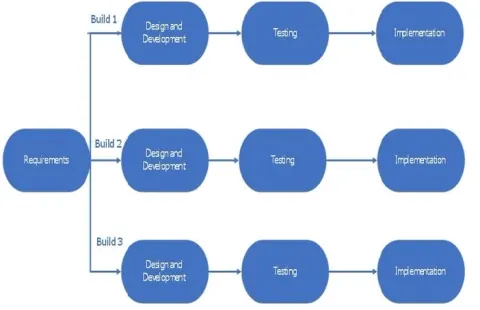
The iterative model starts the process with a simple implementation of a small set of requirements and iteratively enhances the evolving versions of the system that is complete and ready to be deployed. The iterative model does not attempt to start the development after the complete specification of the system instead development starts with just part of the software product.
- Article · Project Management
Waterfall Model Used In Software Development
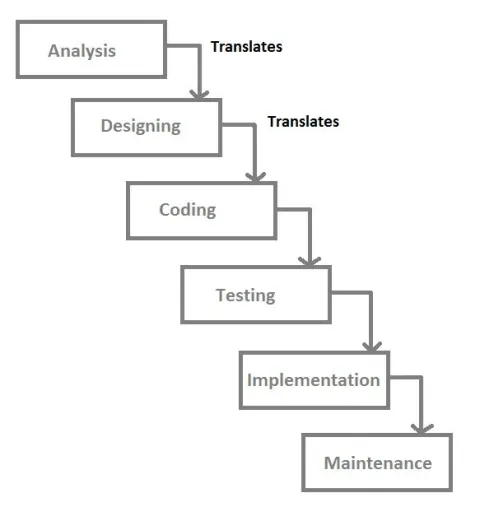
The waterfall model is the first model in software development history. It is also referred to as the linear sequential life cycle model) this model is simple to understand and use. In the waterfall model, each phase is completed before moving to the next phase. The waterfall model is the first and earliest approach used in SDLC for the development of software products. The steps in this model do not overlap.