6 posts about Software Requirements Engineering by 1 contributor.
Know Software Requirements Engineering? Share what you know with developers who are learning it.
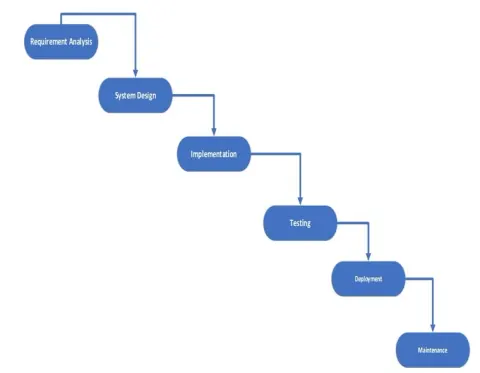
The software development life cycle is the process followed within a Software Organization. It is the detailed process that describes how to develop, maintain, and replace the software product.

Software Requirements Engineering is the systematic process of gathering, documenting, analyzing, and managing the requirements for a software system. It is a crucial phase in the software development life cycle as it lays the foundation for the entire software development process. The primary goal of requirements engineering is to understand and define what the software system needs to accomplish, how it should behave, and what constraints and limitations it must adhere to.
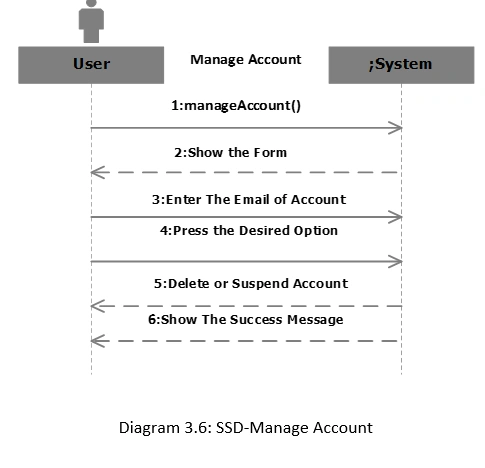
A System Sequence Diagram (SSD) is a UML (Unified Modelling Language) diagram used in software development to depict the interactions between an external actor and the system being developed. It illustrates the sequence of messages exchanged between the actor and the system to achieve a particular functionality or use case. Here's an example of how a System Sequence Diagram may look: 18.6 System Sequence Diagram: The system sequence diagrams are based on the “Unified Modelling Language” This diagram visualizes the use case against the canaries.
Here we are discussing some important points in which we identify why the software process model is important for software development.
The software process model plays a key role in software development. Some of the key roles are given below.
Learn how the Rapid Application Development (RAD) model uses prototyping and iterative development, including its phases, applications, advantages, and limitations.
DevSocialUpcoming · 3rd editionAI Agents ConferenceNov 23–27, 2026Live onlineMembers only16days leftRegisterPublish an article in this category and earn +1,000 SHARP when it is approved.
Write an article