Symmetric Encryption
5 posts5 contributors
Articles about Symmetric Encryption
Difference Between Symmetric and Asymmetric Encryption in Programming?
Explore symmetric vs. asymmetric encryption in programming. Learn key differences, use cases, and implementation examples for secure data protection and communication.

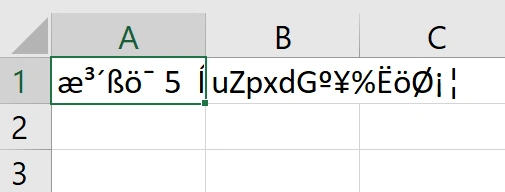
Excel Sheet Encryption using AES encryption in .Net
Learn how to use AES encryption in C# to secure data by encrypting and decrypting files, including CSV or Excel. Explore FileStream, CryptoStream, and the System.Security.Cryptography namespace for robust data protection.

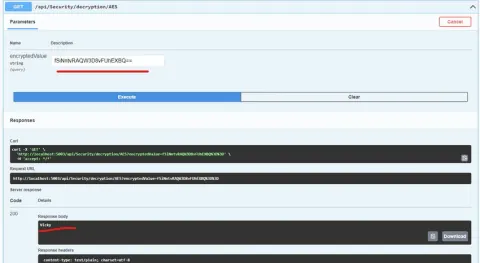
Encryption and Decryption using AES in .NET Core and .NET Framework
AES (Advanced Encryption Standard) is a symmetric encryption algorithm using the same key for both encryption and decryption. In C#, AES encryption involves setting up a RijndaelManaged instance with a key, IV, and mode (e.g., CBC). Data is encrypted using CryptoStream and then encoded to Base64. Decryption reverses this process.
Introduction To AES And DES Encryption Algorithms In .NET
Explore encryption methods like Symmetric (DES, 3DES, AES) and Asymmetric (RSA, DSA), highlighting key differences in key management, security, and performance. Understand DES vulnerabilities and advancements in AES. Learn about RSA, DSA, and their significance in secure data transmission.
Text Encrypt and Decrypt With a Specified Key
Encrypting and decrypting text with a specified key involves using cryptographic algorithms to convert plain text into cipher text and vice versa, ensuring data security. The key serves as the parameter for these operations.