Loading
Ajay Yadav's contributions

ADO.NET Overview
In this article we examine the connected layer and learn about the significant role of data providers that are essentially concrete implementations of several namespaces, interfaces and base classes.
Exploiting Windows Server Reverse Shell
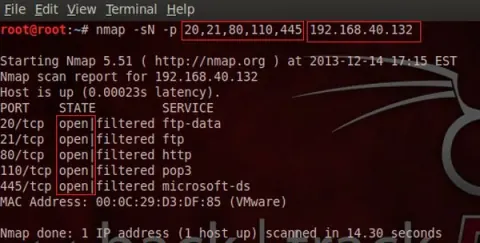
Explains how Metasploit and Nmap are used to identify exposed services and demonstrate MS08-067 exploitation on an unpatched Windows Server 2003 system.
Web Spoofing Attack
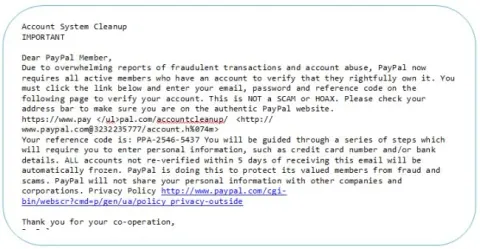
This article explains the seriousness of web spoofing attacks that is in fact difficult to handle.
The Mechanics of Metasploit
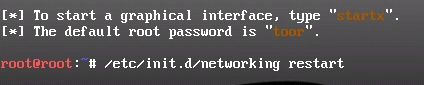
This paper briefly covers the operating of various Metasploit special tools such as msfencode and Nasm shell and demonstrates how to launch an exploit to penetrate a remote computer using various user interfaces that Metasploit must offer, such as msfcli, msfconsole and msfgui.
Vulnerable Encoded URLs
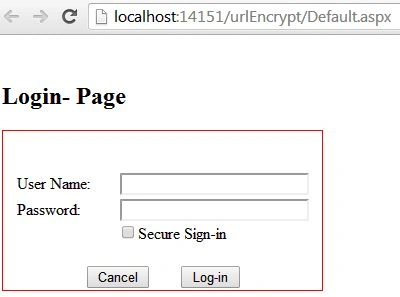
In this article, we have pinpointed the vulnerability in query string parameters while encoding them by practicing weak cryptography methods where the data is sent across the network in clear text and is susceptible to MITM attack.

Binary Cracking and Byte Patching With IDA Pro
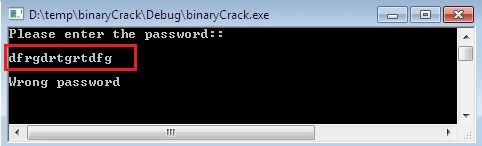
This dissertation explores binary patching techniques using IDA Pro, emphasizing reverse engineering, byte-level manipulation, and assembly code analysis. It covers configuring IDA Pro for patching, analyzing binary logic, and demonstrates patching procedures via IDA scripts and manual byte editing.
Securing IIS Server Checklists
This article addresses the common IIS web server security specification in form of checklist.
MSIL Programming: Part 2
The primary goal of this article is to exhibit the mechanism of defining (syntax and semantics) the entire typical Object Oriented Programming “terms” like namespace, interface, fields, class and so on.
MSIL Programming: Part 1
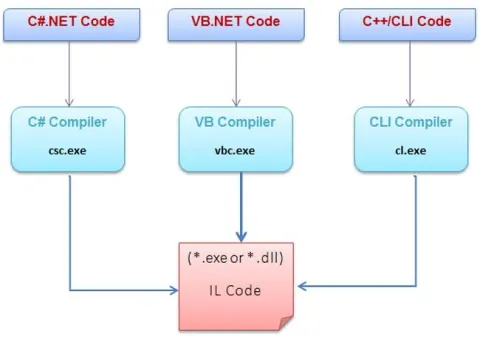
Learn MSIL programming fundamentals in this comprehensive series. Explore Microsoft Intermediate Language (MSIL) concepts, .NET assembly structure, IL instructions, and .NET runtime.

Understanding Lambda Expressions
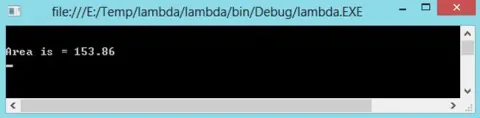
This chapter has introduced the theory behind lambda expressions as well as illustrates its syntax of expressions.
Applied Reverse Engineering With IDA Pro
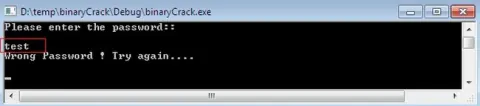
In this article you will learn Live Binary Sample Target, Target Analysis with IDA Pro, cracking the Target and an alternative way of tracing.
Bypassing Obfuscation: Ciphered Code Reverse Engineering
In this article, we have performed reverse engineering over a protected binary by deep analysis of both obfuscated source code and MSIL assembly code.
Anti-Reverse Engineering (Assembly Obfuscation)
Learn how to protect your .NET source code from reverse engineering using obfuscation techniques with Dotfuscator. Explore the process step-by-step, including obfuscated code analysis and MSIL code examination. Discover how obfuscation thwarts reverse engineering while understanding its limitations.
Executing Assembly Code in C#
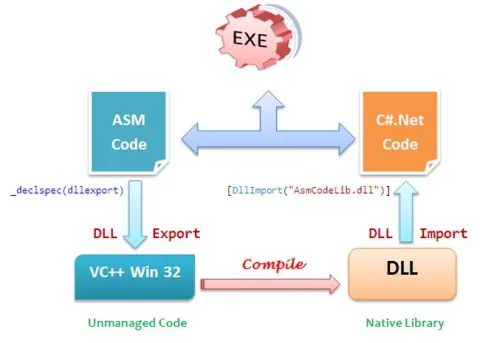
Use a native VC++ DLL with inline assembly to call math and CPU-information routines from C#. Learn the managed-to-unmanaged interop steps and DLL configuration involved.
Java Bytecode Reverse Engineering
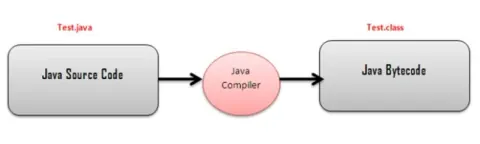
This paper explaines the mechanism of disassembling Java byte code in order to reveal sensitive information when the source of the Java binary is unavailable. We have come to an understanding of how to implement such reverse engineering using JDK utilities.
Disassembling With Reflector: Part 2
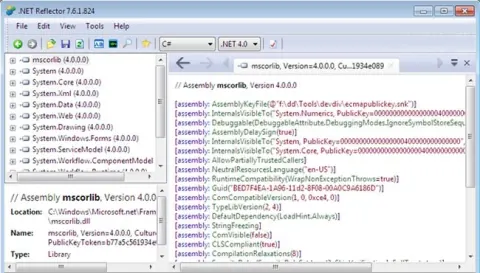
This article shows how to reveal the license code information by dissembling its corresponding classes after backtracking the code flow execution.
Disassembling With Reflector: Part 1
This article shows dissembling of the source code of an assembly using Reflector.
Demystifying Java Internals
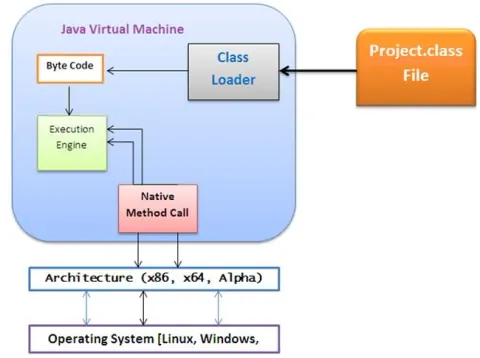
This article introduces you to the history of Java, its effect on the WWW and the underlying Java architecture.
Native Assembly Programming in .NET
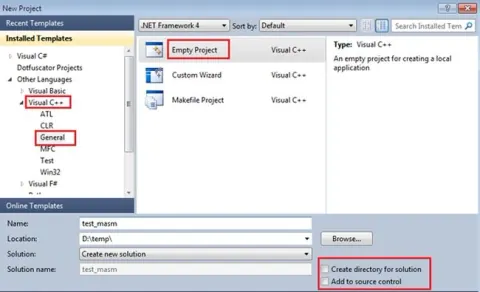
Learn to create EXE and DLL files using MASM in Visual Studio. Configure project settings, write assembly code, debug, and test applications. Explore the power of assembly language for faster execution and system programming.
Advanced .NET Assembly Internals: Part 2
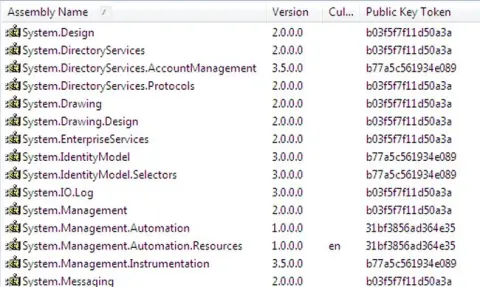
Explains private and shared .NET assemblies, strong names, the Global Assembly Cache, publisher policy, delayed signing, and assembly probing.

Exploiting by Information Disclosure in ASP.Net
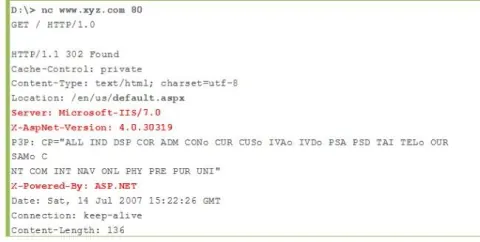
In this tutorial you will learn various type information disclosures in ASP.NET.
Session Fixation Vulnerability Detection in ASP.Net
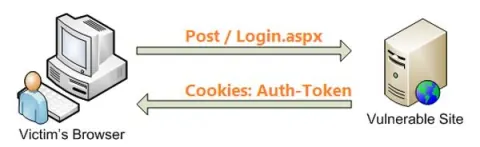
This article explains session fixation attacks on an ASP.NET website in details by giving a realistic code scenario.
.NET Assembly Internals: Part 1
This tutorial drills down into the details of how the CLR resolves the location of externally referenced assemblies.
COM in .NET
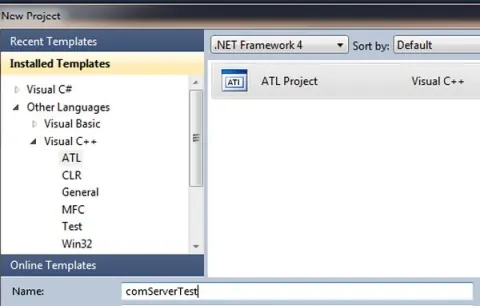
COM (Component Object Model) in .NET facilitates interoperability between .NET and COM objects. Using COM Callable Wrappers (CCW) and Runtime Callable Wrappers (RCW), .NET code can access COM components, enabling seamless integration of legacy COM components with .NET applications.
Unsafe Coding: Pointers in .NET
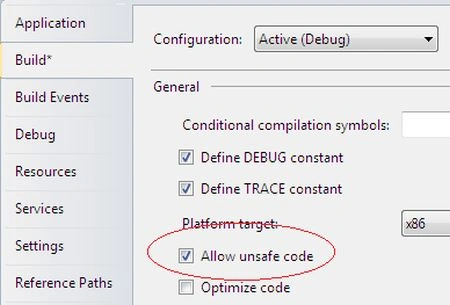
In this article you will learn one of the advanced concepts of the pointer implementation under the CLR context.