Loading
Ajay Yadav's contributions

LINQ Programming: Language Integrated Query
Learn the core features of LINQ, including query expressions, operators, extension methods, anonymous methods, and lambda expressions in C#.
Managed C++/CLI Programming: Part 1
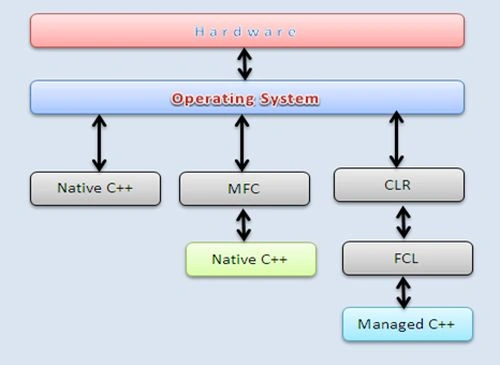
This article explains the importance and advantages of C++/CLI over the native C++ language.
Managed C++/CLI Programming: Part 2
This article outlines the rest of significant topics such as arrays, control statements, generics, delegates and conditional statements in details by defining their semantics.

Remoting Technology: Distributed Computing
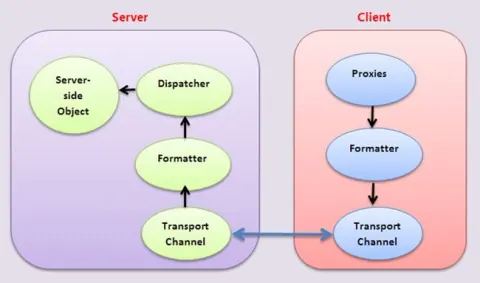
Remoting technology facilitates distributed computing, enabling seamless communication between processes or applications across a network. It employs protocols, marshaling, and proxies to facilitate remote method invocation, enhancing interoperability and scalability in client-server architectures.
Patching .NET Binary Code by CFF Explorer
Discover how to modify .NET binary code using CFF Explorer. This tutorial explores the process of patching executable files, enabling alterations to functionality or behavior.
Native Image Generation in Managed Code
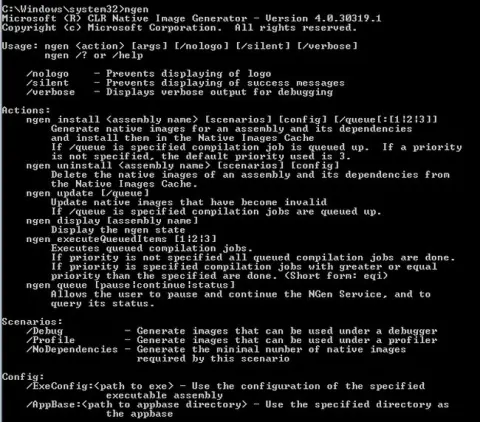
This article explains how to write and execute high-performance .NET managed code by employing the Native Image Generator utility as well as some of its disadvantages and recommended scenario guidelines for its use.

Windows Communication Foundation
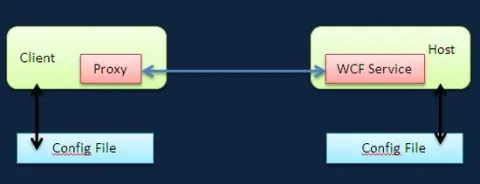
This article explains how to use WCF between a client and server application and explores the various aspects of WCF.
Code Injections: Injecting Spyware in EXE
In this tutorial you will learn how to inject spyware into an EXE.
.NET Binary Patching, Reversing With Reflexil
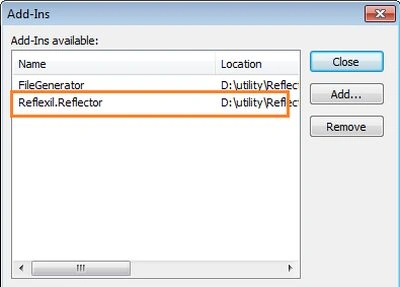
Learn how to install and use Reflexil with .NET Reflector to inspect, modify, and save .NET assemblies and MSIL instructions.

C# Interactive Compiler Development
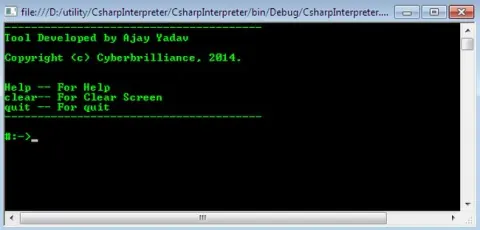
This article explains the complete life cycle of making a custom interactive C# compiler much like the existing CSC.exe.
Invoking Java Code in C#.NET
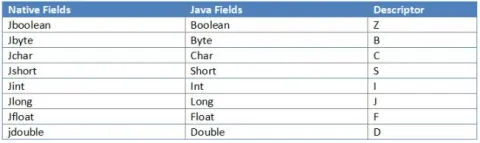
Invoking Java code in C#/.NET involves bridging the gap between the two languages using techniques like JNI, InteropServices, and P/Invoke. This allows seamless integration, enabling C# applications to utilize Java libraries and functionalities.
Applied Secure Socket Layer in .NET: Part 2 Installation and Testing
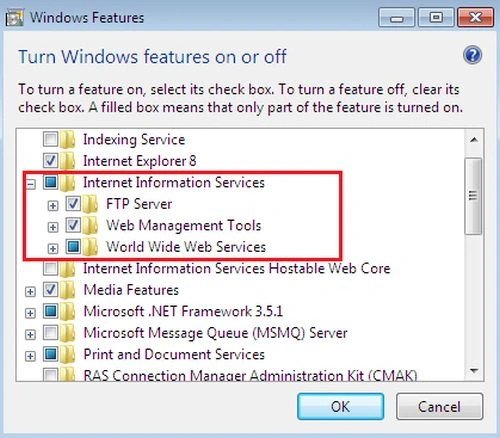
This article is resuming the voyage by covering the applied aspect of SSL on .NET website via IIS webserver along with the creation of digital certificates.
Applied Reverse Engineering With OllyDbg
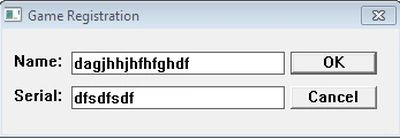
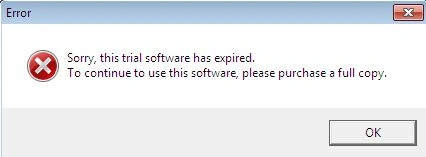
This paper explores executable cracking using OllyDbg, focusing on reverse engineering without source code. It emphasizes Assembly Programming and tools like OllyDbg and CFF Explorer. Methods include patching binaries to bypass copy protection. A trial software example demonstrates debugging and modifying code to remove expiration.
Secure Socket Layer in .NET
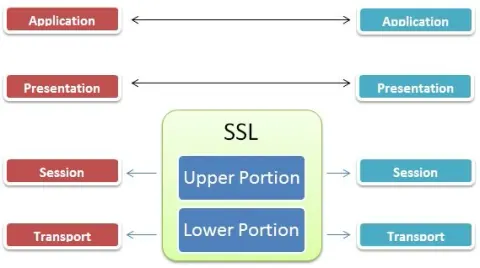
This article explains the Secure Sockets Layer (SSL) including the inherent issue of web server security and the process of SSL configuring and implementing in the form of digital certificates over an ASP.NET website.
Extreme .NET Reverse Engineering: Part 5
In this article, we have seen how to obtain sensitive information without having access to real source code, including how to manipulate IL code to do that.
.NET Reverse Engineering: Part 2
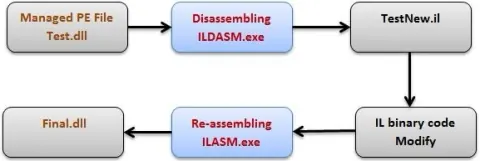
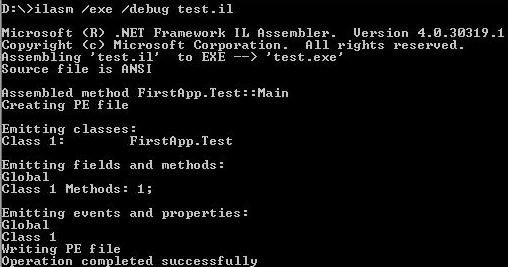
This article describes details of the .NET CLR and ILASM coding, including a detailed analysis of each opcode instruction how to integrate an IL code into an existing high-level C# written code, and how to convert an already built C# code into IL code directly.
.NET Reverse Engineering: Part 3
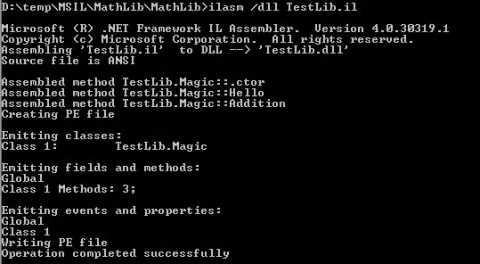
In this article, we shall be confronted with the rest of the implementation in the context of CIL programming as such, how to build and consume DLL file components using the MSIL programming opcodes instruction set.
Bug Fixing: .NET Reverse Engineering: Part 4
Explore advanced .NET Reverse Engineering through Round-trip engineering, manipulating IL code without accessing source code. Fix bugs like Memory Overflow, Array Index Out Of Range, and Divide by Zero Exception by altering IL opcodes. Defensive reading perspective emphasized.
.Net Penetration Testing: Cheat Sheet
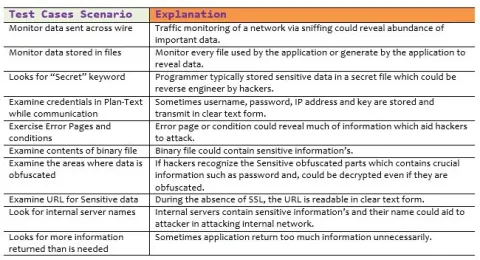
This article provides a cheat sheet for .Net Penetration Testing.
.NET Binary Reverse Engineering: Part 1
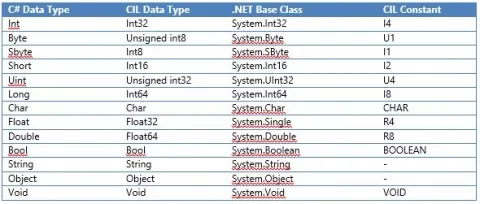
This article elucidates the Common Instruction Language (CIL), foundational to .NET, distinguishing directives, attributes, opcodes, and tools like IL Disassembler and Reflector. It explores CIL's role in code execution and its significance in Reverse Engineering. Covering assembly, class, and method directives, along with MSIL instructions.

Protection Against Buffer Overflow Attack in .NET
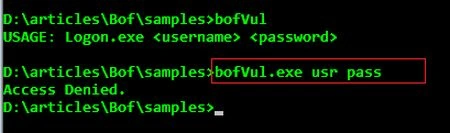
This article explained how buffer overflows occur and how to prevent it.
Applied C#.NET Socket Programming
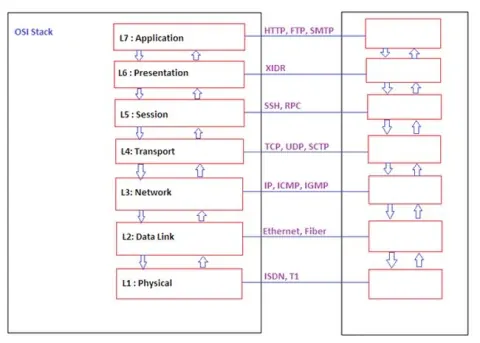
This article explains the key networking concepts, for instance ISO stack, of TCP/IP under the C# framework by employing its essential socket classes and how applications can logically and physically be distributed in a network environment.
Demystifying Iron Ruby in .NET
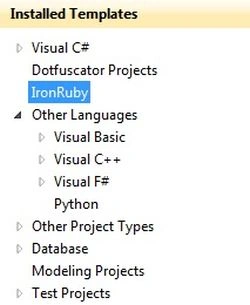
IronRuby, a dynamic language for .NET platform, as this guide demystifies its integration with the Common Language Runtime (CLR). Explore seamless interoperability, scripting capabilities, and the underlying architecture, unlocking the potential for leveraging Ruby's expressive syntax within the .NET ecosystem.