Loading
Jignesh Trivedi's contributions

Object Vs var Vs Dynamic Type in C#
In this article you will learn about Object Vs var Vs Dynamic type in C#.

Entity Framework 6.0 SQL Logging: Changing the Content and Formatting
This article explains how to change the formatting of the output in Entity Framework 6.0.
Pre-Generated Views With a Code First Model Entity Framework 6.0
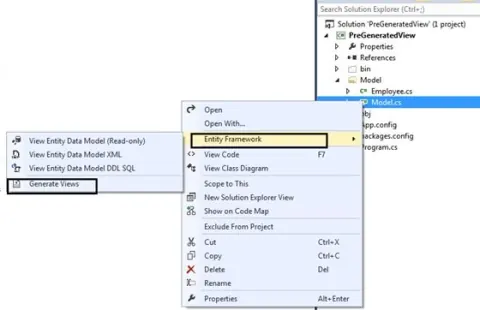
Pre-generated views in Entity Framework 6.0 with a Code First model enhance performance by reducing the cost of view generation at runtime. By pre-compiling these views, you can significantly improve application startup time and query execution speed, optimizing overall performance and efficiency of your EF6-based applications.

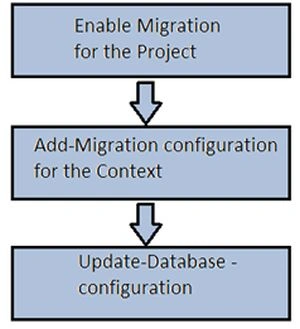
Entity Framework: Code First Migrations With the Existing Database
Learn how to reverse engineer an existing database into an Entity Framework Code First model and manage schema changes with migrations.

Logging and Intercepting Database Operations With Entity Framework 6.0
In this article you will learn how to log and intercept database operations with Entity Framework 6.0.
Connection Management in Entity Framework 6.0
In this article you will learn about Connection Management in Entity Framework 6.0.
Entity Framework 6.0: NGen.exe and Startup Performance
This content discusses native code generation, focusing on the process where the Just In Time (JIT) compiler converts MSIL code into native code for execution. It explains how the Native Image Generator (NGen.exe) creates and stores native code images, which can be loaded by the CLR instead of the original assembly
Working With Transaction in Entity Framework 6.0
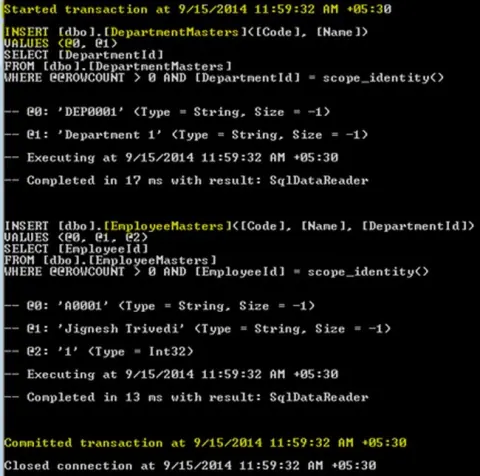
In this article, you will learn how to work with transactions in Entity Framework 6.0. Entity Framework internally maintains transactions when the SaveChanges() method is called. When we execute another operation, the Entity Framework creates a new transaction.
Code-First Stored Procedure Entity Framework 6.0
This content explains how to configure Entity Framework 6.0 and above to use stored procedures with a Code-First approach. It details overriding the OnModelCreating method in DbContext to map stored procedures for CRUD operations.
Entity Framework: Code First Data Annotations
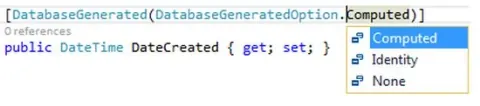
Entity Framework code First approach allows us to use our POCO (domain) classes as model and Entity framework is use this classes to querying data, change tracking and other updating function.
Index Attribute With Entity Framework 6.1
In this article you will learn about the Index attribute with Entity Framework 6.1.
Multiple Diagrams Per Model With Entity Framework and Visual Studio 2013
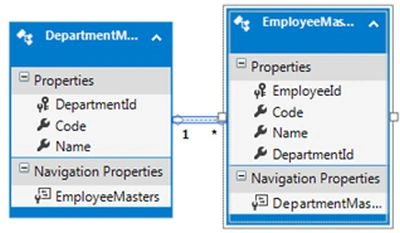
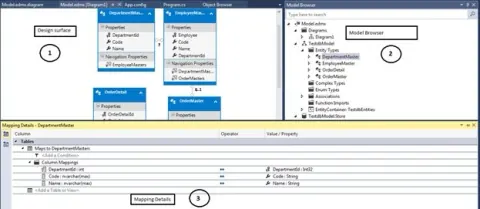
The Model First Approach in Entity Framework allows users to create and manage entity models using the EDMX file. It features a design surface for editing entities, a model browser for navigation, and mapping details for entity relationships.
Multi-Tenant Migrations With Entity Framework 6.0 (Code First Model)
Master multi-tenant migrations in Entity Framework 6.0 with ease. Learn seamless data management strategies for code-first models, ensuring robust and efficient database migrations in a multi-tenant environment.
Delete an Object Without Retrieving it in Entity Framework 6.0
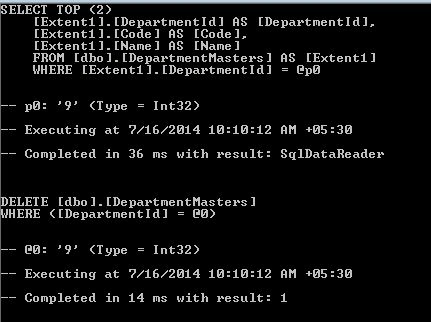
This article shows how to delete an existing entity without retrieving it from the database and gain some performance benefit from it.
Discard Changes Without Disposing DbContext/ObjectContext in Entity Framework 6
This article helps you to understand how to discard the changes from DbContext or ObjectContext.
Working With Change Tracking Proxy in Entity Framework 6.0
In this article, you will learn about Proxy Objects, ObjectStateManager, and EntityState to leverage advanced tracking features for data manipulation and performance optimization in your .NET applications.
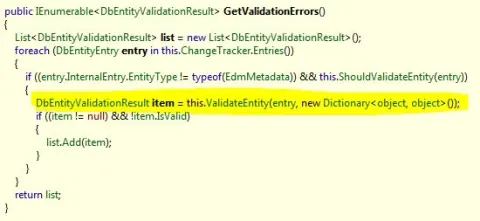
Explicitly Triggering Model Validation Using Entity Framework 6.0
This explains the explicitly triggering model validation using Entity Framework 6.0.
Disabling Automatic Validation on Save Changes Method in Entity Framework 6.0
Disabling automatic validation on save changes method in Entity Framework 6.0.
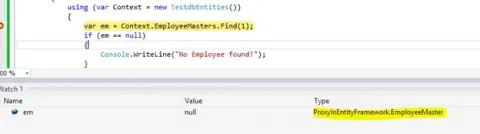
Working With Proxies in Entity Framework
This article helps you to understand what a proxy in the Entity Framework is and how to turn on and turn off a proxy and how to create a proxy instance explicitly.
Overriding Vs Shadowing in C#
This article will help you understand the difference between shadowing (method hiding) and overriding.

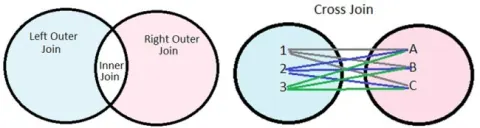
SQL Join in LINQ (LINQ to Entity / LINQ to SQL)
This article explains various types of joins in LINQ query. Learn Inner join, Outer Join, Left Outer join, Right Outer join, Full outer join, Cross Join, Group Join in LINQ query.
The Undocumented Sp_MSforeachdb Procedure in SQL Server
This article explains the undocumented sp_MSforeachdb procedure in SQL server.
Delete All Table Data Within a Database in SQL Server
This article explains two ways to delete all the table data within a database.