Loading
Articles by Mike Gold
Effective Remote Communication between Businesses for Accomplishing .NET Software Projects
Many .NET software projects today are accomplished by remote programming talent. This article illustrates some suggested guidelines to follow for both client and consultant when proceeding with their project.

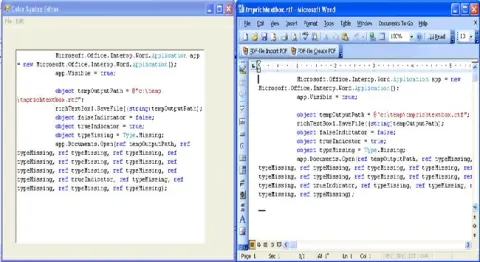
Color Syntax Editor Part II - Exporting a RichTextBox to a Microsoft Word Document
This article is part II of a color syntax editor created back in 2003. It describes how to export the contents of the RichTextBox to Word and Open the Word Document Programmatically.

A Scrollable MessageBox In C#
This article demonstrates how to create a message box that contains messages that scroll. This message box also allows you to read the message in from a file as well as change fonts and color properties.

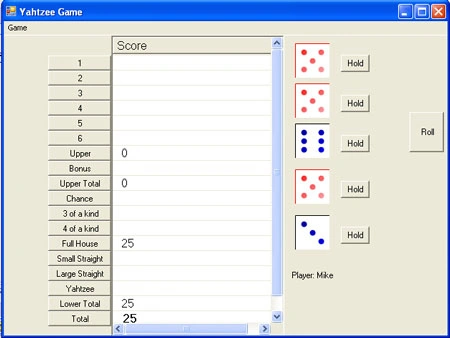
Think in LINQ: Yahtzee Score Calculator Using LINQ Technology
This article revisits the yahtzee program I wrote in 2002 and reimplements scoring using LINQ technology. It compares the old way of scoring with LINQ and shows you the advantages of using LINQ.
Knowing When to Leave Your Programming Job - Part I
This article is the first part in a series to guide you in deciding when it's best to leave your Programming Job. Part I addresses a host of myths that are associated with staying at a dead-end job, and how to combat them.
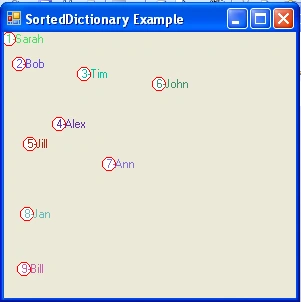
Programming in C#: Understanding the SortedDictionary Class
This article illustrates a powerful collection in C#, the SortedDictionary. In the article we will discuss two ways to sort key-value pairs: using an IComparer object and using IComparable keys.

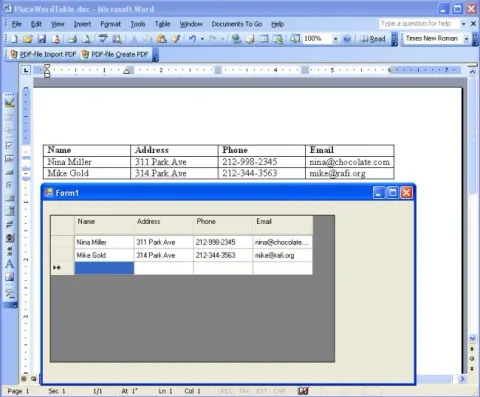
Import Microsoft Word Table Into A DataGridView
This article will answer the question: How do I import a table in MS Word into a DataGridView using Visual Studio's built in Tools for Office.

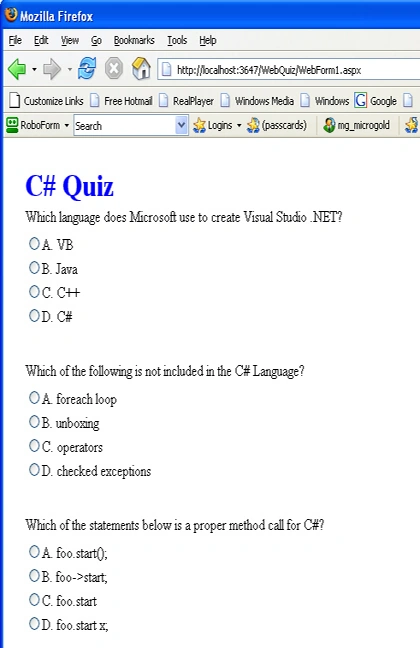
Online Web Quiz II: Using the AccessDataSource to Query Microsoft Access in ASP.NET 2.0
This Article demonstrates an online multiple-choice web quiz that builds itself dynamically from an Access Database.
How do I Check for Duplicate Items in a ListView
This How To Shows you how to Check for Duplicate Items in a ListView.

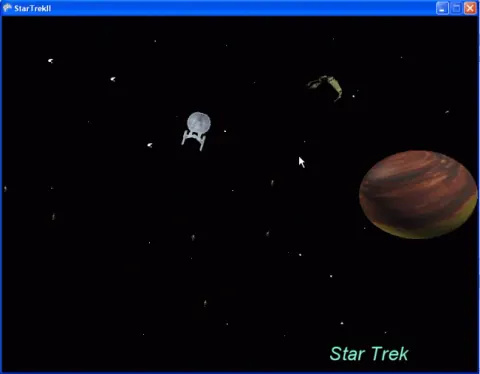
Star Trek -Part II: Adding moving 3D Objects to your XNA Game
This article describes how to work with 3D Objects in your XNA game. In the article you will learn how to add a rotating planet to Star Trek to enhance the background. It also talks about how to add text to your game.
Introduction to XNA: The Microsoft 2D and 3D Game Development Platform
This article introduces you to the XNA Framework that makes game development easier than it ever was before. This sample features a star trek ship which you can move around the screen and shoot at the enemy Klingon Ship. The demo comes complete with authentic sound.

Using a Genetic Algorithm to Do Consultant Scheduling in C#
This article describes a way to use a type of genetic algorithm called PBIL (Population Based Incremenetal Learning) to optimize the scheduling of consultants on a group of 5 project.

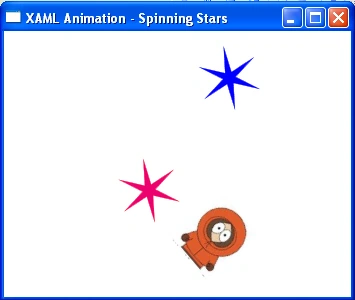
Animating your XAML Apps
This article will describe how to do 2D Animation using XAML Scripts. In the article we will describe how to implement transforms on XAML shapes and then how to move them around in your form.
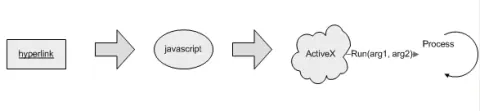
Using a COM Callable Wrapper to Launch a Program from a Hyperlink in the WebBrowser Control
This article describes how you can launch an application from a link inside the WebBrowser Control using a combination of javascript and an ActiveX Control created in C#.

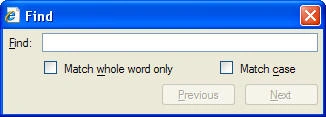
How to Bring up a Find Dialog in the WebBrowser Control using Managed C++
Shows how to open the Internet Explorer WebBrowser control's Find dialog from Managed C++ by calling the IOleCommandTarget COM interface.
Considerations in Porting and Deploying a WinForms GDI+ Game to the Pocket PC
This article describes some of the issues I came across when porting a Windows Form Game to the Pocket PC. It also describes how to deploy a Windows Mobile Application from Visual Studio 5.
Strategy for querying Microsoft Access as an In-Memory Database using DataSets and ADO.NET
DataSets are powerful data structures with the capability of allowing the programmer to treat them as in-memory databases.
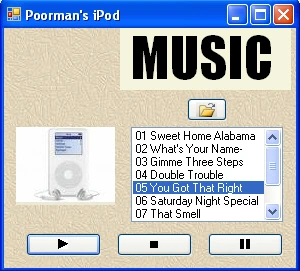
Poorman's iPod MP3 Player in C# and .NET
This article is an update to an article written by George Steeves on how to create an MP3 player using C# and .NET using the moon valley mp3p.ocx control.
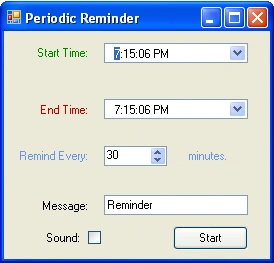
Periodic Reminder App for the Windows Taskbar
This article features an application that allows you to set up a periodic reminder in your windows task bar. The application will show a balloon message periodically and optionally will produce a reminder beep.
Strategy for querying Microsoft Access as an In-Memory Database using DataSets and ADO.NET
This article describes how you can read tables in from MSAccess up front in your application and then query the tables in-memory using some powerful features of the DataSet and ADO.NET
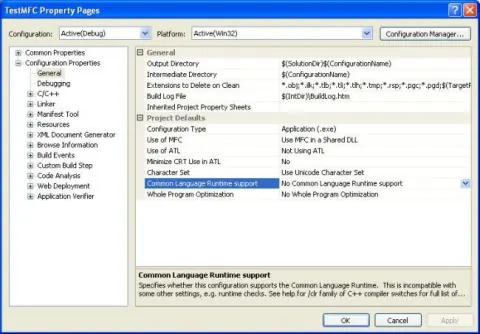
Leveraging The .NET Framework Inside An MFC Application
This article describes the first steps in taking an existing umanaged MFC Application and integrating the .NET Framework into it. It will also demonstrate to you how to bring up a Windows Form inside your MFC App.
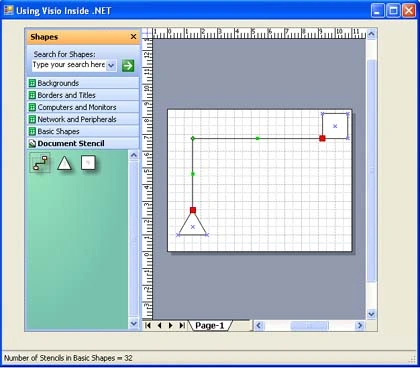
Drawing Visio Shapes in the Visio ActiveX Control Using C# and .NET
This article will get you started in using the Visio ActiveX control that allows you to use Visio inside of a .NET Windows Form. The article will step you through a simple example of drawing shapes inside a Visio Drawing and connecting the shapes together.
Using Genetic Algorithms to Determine Calculus Derivative Functions in C# and.NET
This article describes how you can use genetic algorithms in .NET to determine derivatives of mathematical functions. The program uses an algorithm called Multiple Expression Programming (MEP) inside the genomes to exercise a function tree.
Solving Polynomial Equations with Complex Roots using Genetic Algorithms in VB.Net
This article features a program in which the user can enter a polynomial equation and it will use GAs to determine the complex roots.
AI: Using Genetic Algorithms and NetSpell to Solve Anagrams
Remember the puzzles where you are given a jumble of letters and you have to unscramble a word? This article shows you how to use a genetic algorithm and NetSpell, an open source spell checker, to solve these anagram puzzles.