Loading
Sardar Mudassar Ali Khan's contributions
- Article · Software Architecture/Engineering
Why We Use Software Models in Software Development
In this article, we will discuss a selection of process models and the importance of software process models why software models are important for the development of software processes, and how they can help the development team as well all stakeholders of the software product. In the software development life cycle, SDLC consists of a series of planned activities to develop the software product.
- Article · Software Architecture/Engineering
How to Select the Software Model for the Software project
Every Software model provides the software development cycle that helps us to efficient and effective development. By using the Software development process model, we can get the requirements to form the customer very effectively. The software process model provides an effective way of requirement management. The software Process model defines the product business modeling. It provides the testing environment throughout the development cycle. It provides the complete details of the project by documenting all the processes during development. Selecting the software product is a challenging task in the software development process. Select the process model according to the nature of the software product given below we will discuss how can we select the right software process model in the right way.
- Article · Software Architecture/Engineering
Software Prototype Used In Software Development
Software Prototypes is the process of building the working model of software that is under development. But prototype may not be holding the exact functionality of the real software product. Software prototyping is most of the most popular techniques in software development it enables the development team to understand the customer requirements. It helps us to get valuable feedback from customers and helps the development team’s designers of the product about what is the actual scope of the product and what we are going to develop.
- Article · Software Architecture/Engineering
How Process Models Play a Key Role in Software Development?
The software process model plays a key role in software development. Some of the key roles are given below.
- Article · Software Architecture/Engineering
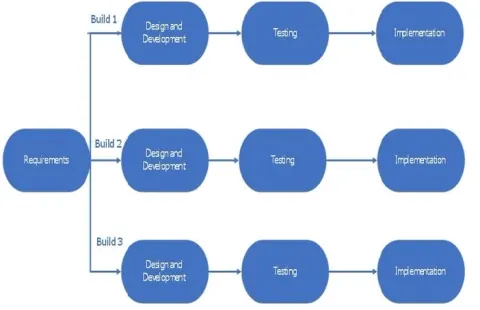
Agile Model Used In Software Development
The agile model is the combination of the incremental and iterative model that focuses on product quality and adaptability and customer satisfaction by rapid delivery of working and fully functional software products. The agile process breaks the software product into small builds this build provides in iteration. Each iteration life cycle is two to three weeks, and every iteration involves the core functionalities of the system and a complete team working on these iterations in various areas.
- Article · Software Architecture/Engineering
Why Process Model is Important for the Modern Software Development?
Here we are discussing some important points in which we identify why the software process model is important for software development.
- Article · Software Architecture/Engineering
Why the Software Process Model is important
Software Process models have great importance in the development of software products. Every software model control, manage, guide, and monitor the software development process. Software process models give a clear way for the development process.
- Article · Software Architecture/Engineering
RAD Model Used In Software Development
Learn how the Rapid Application Development (RAD) model uses prototyping and iterative development, including its phases, applications, advantages, and limitations.
- Article · Project Management
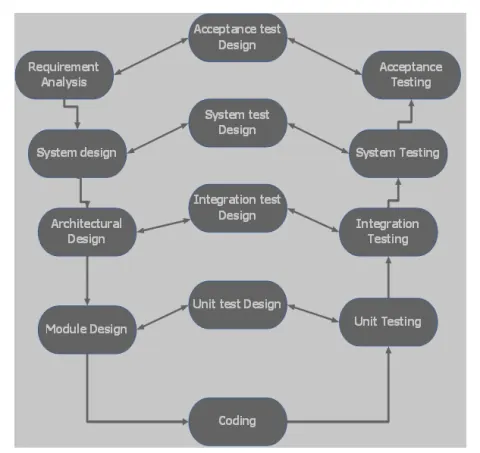
V-Model Used In Software Development
The V model is the SDLC Model where execution of the process happens sequentially. V model is also known as validation and verification. The V model is the extension of the Waterfall model based on the associated testing phase and development stages. This means that every phase in the V model is directly associated with the testing phase this is a highly disciplined phase.
- Article · Project Management
Spiral Model Used In Software Development
The spiral model combines the idea of iterative development with the controlled and systematic aspects of the first model waterfall.
- Article · Project Management
Big-Bang Model Used In Software Development
The Big-Bang model is the Software development life cycle model where the development team does not follow any specific process. The development of the software product just starts when finance and efforts are available the input and output of the software may be not as per customer requirements. The Big-Bang model does not follow any specific process or procedure, and very little planning is required for the development process. In this model, very little planning is required.
- Article · Project Management
Iterative Model Used In Software Development
The iterative model starts the process with a simple implementation of a small set of requirements and iteratively enhances the evolving versions of the system that is complete and ready to be deployed. The iterative model does not attempt to start the development after the complete specification of the system instead development starts with just part of the software product.
- Article · Project Management
What is Software Development Life Cycle (SDLC)?
The software development life cycle is the process followed within a Software Organization. It is the detailed process that describes how to develop, maintain, and replace the software product.
- Article · Project Management
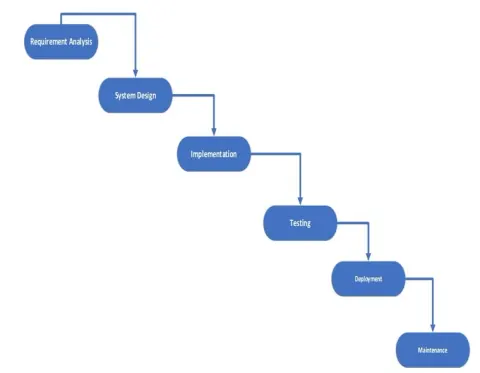
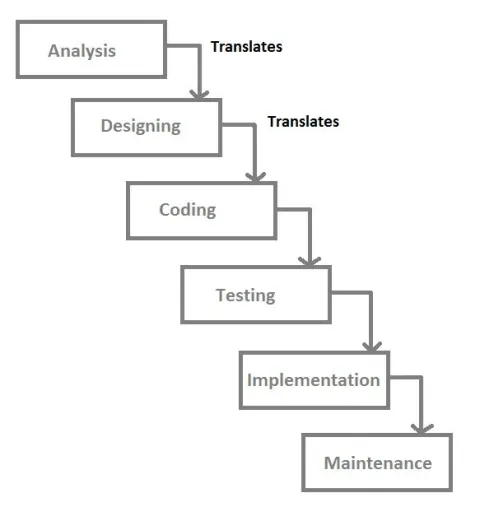
Waterfall Model Used In Software Development
The waterfall model is the first model in software development history. It is also referred to as the linear sequential life cycle model) this model is simple to understand and use. In the waterfall model, each phase is completed before moving to the next phase. The waterfall model is the first and earliest approach used in SDLC for the development of software products. The steps in this model do not overlap.
- Article · ASP.NET
Deploying ASP.net MVC Application on IIS Server
Microsoft's Internet Information Services (IIS) is a versatile, all-purpose web server that provides requested HTML pages or files on Windows PCs. Remote client computers can submit queries to an IIS web server, which will then deliver the proper response. Web servers can share and distribute information across LANs, such as corporate intranets, and WANs, such as the Internet, thanks to this fundamental functionality.
- Article · .NET Core
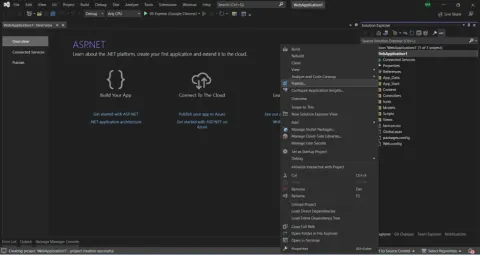
AutoMapper in ASP.Net Core 7 Web API
When developing apps, it's common to wish to map items to either comparable or different kinds. Why do you frequently require this? The database tables of the employed database are typically mapped with the models (also known as entities) in an application. As a result, there is frequently a discrepancy between the model class properties and the data transfer object class properties. You may run into issues because of having to write a lot of boilerplate code to convert instances of disparate types. A large application, like an ERP, could require a lot of models and data transfer object classes. Writing code to perform the mapping manually would be time-consuming. Here, programs like AutoMapper can be useful.
- Article · ASP.NET Core
HttpContextAccessor in Asp.NET Core Web API
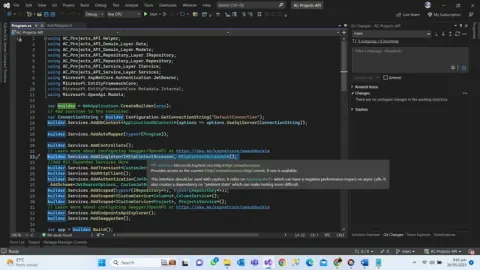
In ASP.NET Core Web API, the HttpContextAccessor class is a component that provides access to the current HTTP request and response context. It allows you to access various aspects of the HTTP request and response, such as headers, cookies, query parameters, and user claims.
- Article · .NET Core
Custom JWT Handler In ASP.Net Core 7 Web API
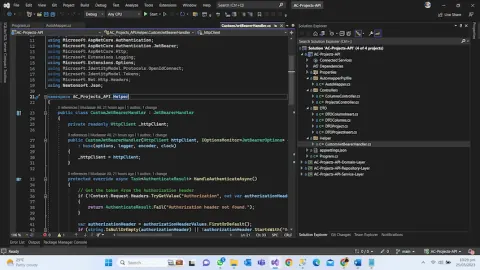
In ASP.NET Core Web API, you can create a custom JWT (JSON Web Token) handler to handle token authentication and authorization. The custom handler lets you define your logic for validating and processing JWT tokens.
- Article · Azure
Introduction Of Microsoft Azure Networking, High-Level Architecture, and Implementation Process
High-level overview of the Azure Networking architecture and its advantages.
- Article · Azure
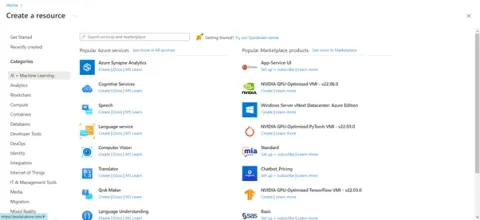
How To Create Azure Synapse Analytics Service?
In this article, you will learn about working With Azure Synapse Analytics Service Using Azure Cloud Portal.
- Article · Azure
How To Create Azure Cognitive Search Service
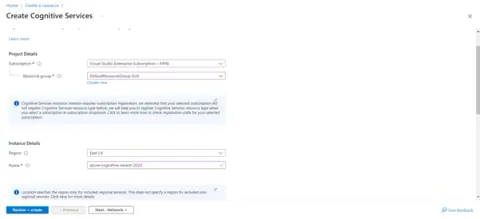
In this article, you will learn about working with azure cognitive search service using azure cloud portal.
- Article · Azure
Create Microsoft Azure Key Vault Service Instance Using Azure Cloud Portal
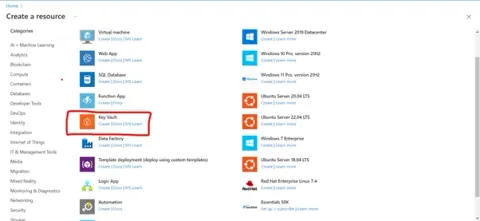
Learn how to create an Azure Key Vault in the Azure portal and configure its basic settings, access policies, networking, tags, and deployment options.
- Article · Azure
How To Connect SSMS With Microsoft Azure SQL Cloud Service
In this article, you will learn how to Connect SSMS with Microsoft Azure SQL Cloud Service.
- Article · Azure
How To Work With Microsoft Azure Cloud SQL Service
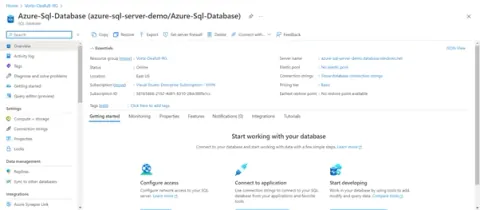
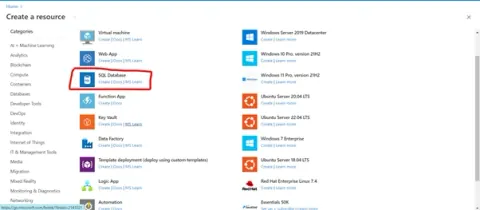
In this article, you will learn how to Work with Microsoft Azure Cloud SQL Service.
- Article · Azure
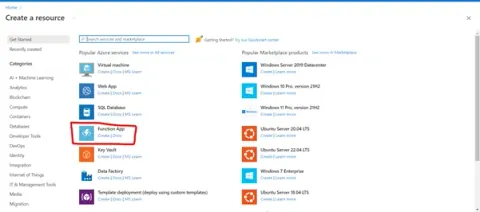
How To Create Microsoft Azure Function App Using Azure Cloud Portal
In this article, you will learn how to create Microsoft azure function app using azure cloud portal.