Loading
Articles by Rohatash Kumar

Select Query Using TOP WITH TIES Clause in SQL Server 2012
In this article, I will explain the use of the TOP WITH TIES Clause in SQL Server.
Output Clause With Insert, Delete and Update Statement in SQL Server 2012
This article will give you an idea of how to use the Output clause and also defines where you can use it.
NULL Value in SQL Server 2012
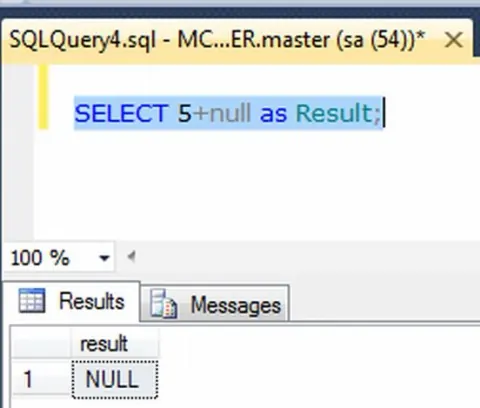
In this article I will explain the NULL value with IsNull() and Coalesce() functions in SQL Server.
Error Handling Functions in SQL Server 2012
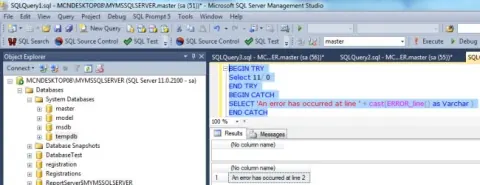
In this article, you will see some of the SQL Server Error functions which provide information about the error.
TEXTPTR Function in SQL Server 2012
In this article, I described how to use the TEXTPTR Function in SQL Server.
DATEDIFF Function in SQL Server 2012
In this article, I would like to show the DATEDIFF function in SQL Server.
Month and Eomonth in SQL Server 2012
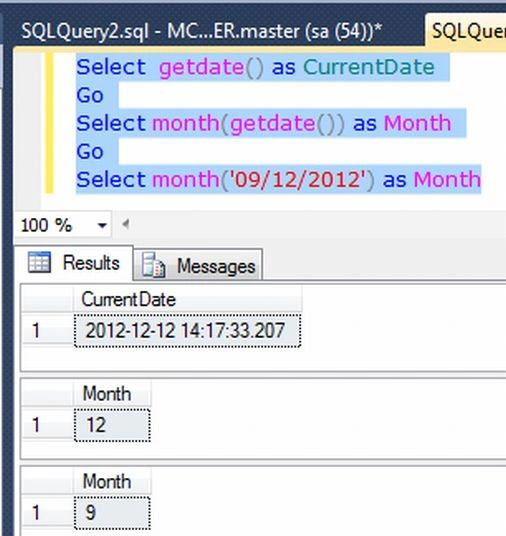
In this article, I would like to show the functions Month and Eomonth in SQL Server.
DATEPART Function in SQL Server
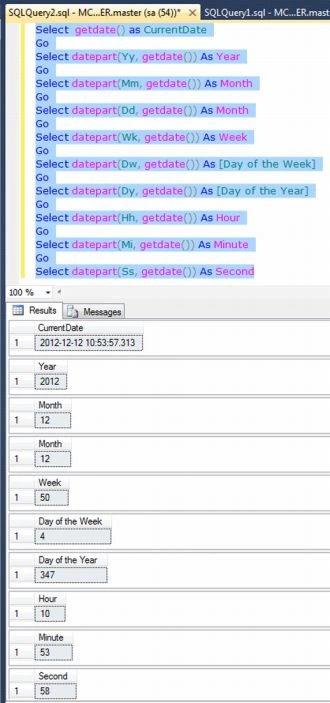
This SQL Server tutorial explores the Datepart function, a built-in function for extracting portions of a DateTime field, demonstrated through practical examples for various date and time components.
DATEADD Function in SQL Server
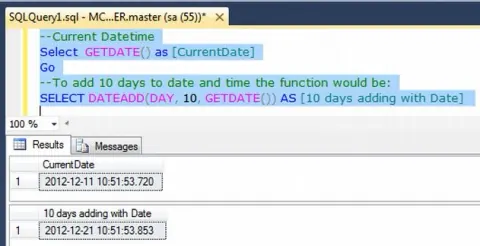
In this article, I would like to show the Dateadd Function in SQL Server.
Modifying Data Through a View in SQL Server 2012
In this article, we will see how to modify the data of an underlying base table in SQL Server using a View.
Passing Table to a Function Parameter in SQL Server 2012
In this article, I describe how to pass a table to a function parameter in SQL Server.
Passing Table to a Store Procedure in SQL Server
In this article, I described how to pass a table to a Stored Procedure parameter in SQL Server.
ReadText and WriteText Statement in SQL Server 2012
In this article, I described how to use the ReadText and WriteText statements in SQL Server.
Maximum Limit Value For Integer Data Type in SQL Server 2012
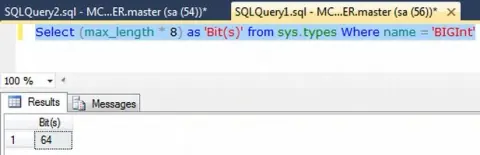
In this article, I described how to calculate the maximum range of various integer data types in SQL Server. TINYINT, SMALLINT, INT and BIGINT are all number data types. The difference between these data types are in the minimum and maximum values. So let's have a look at a practical example of how to calculate the maximum range of the integer data type in SQL Server. The example is developed in SQL Server 2012 using the SQL Server Management Studio.
New Lead Function in SQL Server 2012
In this article, I would like to show the new built-in function Lead in SQL Server.
New Analytic Functions First_Value and Last_Value in SQL Server 2012
In this article, I would like to show the new analytic functions First_Value and Last_Value in SQL Server.
Count All vs Count Distinct in SQL Server
In this article, you will see the SQL aggregate function count in two forms, Count All and Count Distinct.
Space Function in SQL Server 2012
This article will give you an idea of how to use the space function in SQL Server.
Calculating Factorial of a Number in SQL Server 2012
Here, I have constructed a query that provides a solution in SQL Server to determine the factorial of a specified number.
Binding Rules With User Defined Types in SQL Server 2012
Here, I have provided an article showing you how to create a user-defined type and rules in SQL Server.
On vs Where Clause in SQL Server 2012
Here, I will explain the difference between the On and Where clauses when used with a left join in SQL Server.
Using GO and Semi-Colon in SQL Server 2012
Learn about the usage of the GO command and semicolon in SQL Server. Understand how to use GO as a batch separator and change it in SQL Server Management Studio. Semicolon (;) terminates SQL statements, especially useful for Common Table Expressions (CTEs). Explore practical examples and best practices in SQL Server 2012.
Removing the First and Last Character From a Table Column in SQL Server 2012
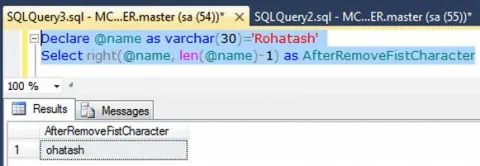
In this article I provide a quick overview of the various Queries to remove the first and last character from a string in SQL Server.
Creating Various Types of Tables in SQL Server
Learn about SQL Server tables like User, Temporary, Global; understand creation methods, differences between temporary and regular tables, storage locations, and utilization of table variables. Examples demonstrate creating and using these tables effectively.
Using Having Clause in SQL Server 2012
In this article, I will try to highlight all the major points related to the Having clause in SQL Server.