Loading
Tural Suleymani's contributions
- Article · Software Architecture/Engineering
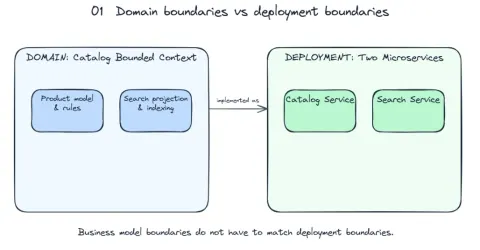
Bounded Context and Microservices: From Theory to Real Practice
I decided to write this article because I've been asked several times in technical interviews about the relationship between DDD Bounded Contexts and microservices. When we build applications with complex business requirements, we often see that Domain-Driven Design (DDD) and microservices architect
- Article · Software Architecture/Engineering
Why You Should Use Domain-Driven Design in Your Real Projects
Discover why Domain-Driven Design (DDD) is essential for real-world projects. Learn how it helps tackle complex business logic, improve code structure, and align software with business goals.
- Article · SQL
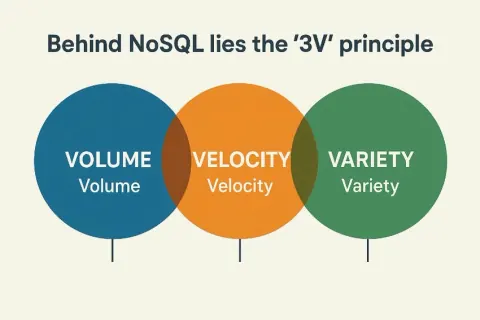
NoSQL vs. SQL: Which One to Use
Explore the key differences between SQL and NoSQL databases, including structure, scalability, use cases, and performance.
- Article · C#
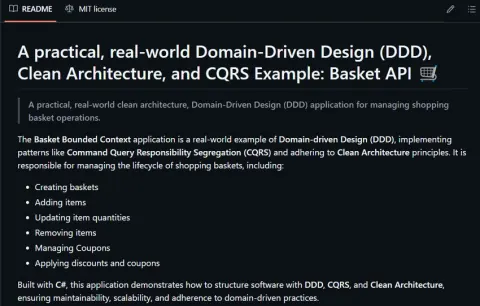
Best way of implementing Domain-driven design, Clean Architecture and CQRS
Domain-Driven Design (DDD), Clean Architecture, CQRS, and software design principles emphasize building scalable, maintainable systems. Key concepts include aggregates, events, repositories, and factories, with real-world GitHub examples for practice.
- Article · Algorithms in C#
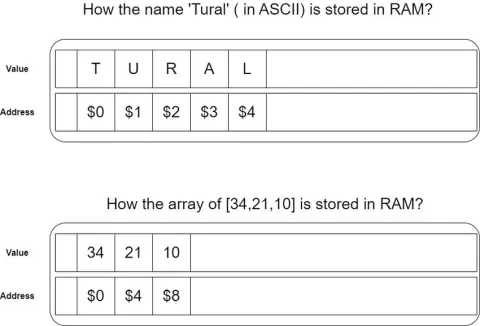
I’m Preparing for FAANG : Getting Started with Essentials
Data structures and algorithms are important, but it is not always easy to grasp their main ideas. This “I’m Preparing for FAANG“ series will help you not just learn data structures and algorithms but also dive into their philosophy. The final purpose of this series is to help you achieve your goal: To pass FANG interviews.
- Article · Software Architecture/Engineering
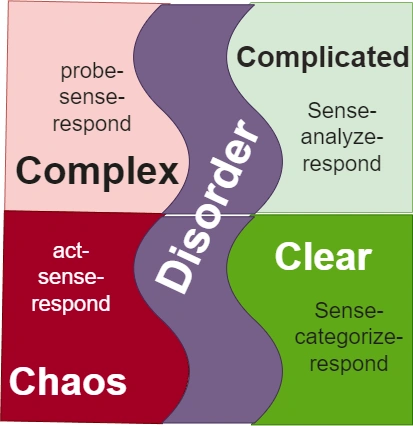
The Cynefin framework with Domain-driven Design
What is the Cynefin Framework, and how does it align with Domain-Driven Design (DDD)? The Cynefin framework helps decision-makers navigate complex problems by categorizing them into five domains. It complements Domain-driven Design (DDD) by addressing complexity.
- Article · Software Architecture/Engineering
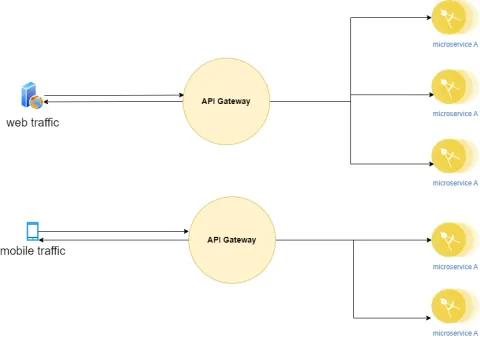
Understanding API Gateways in Microservices
The API Gateway pattern centralizes client requests, managing authentication, logging, rate limiting, and load balancing, optimizing resilience and scalability in complex microservice architectures through a single entry point.
- Article · .NET
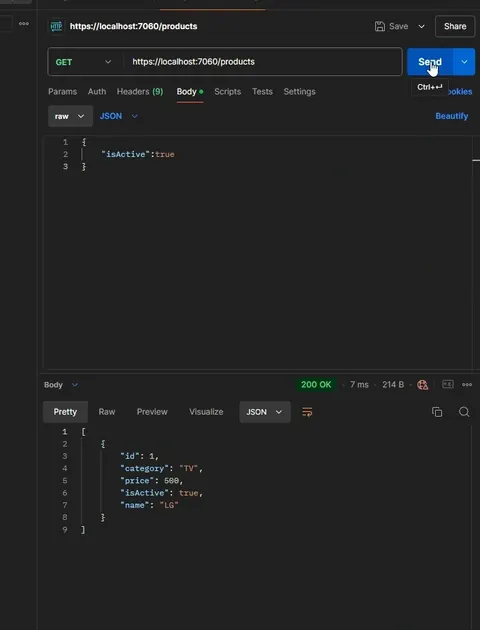
Real-World Expression Trees: Dynamic Filtering in C# with Minimal API
This article explores the practical use of expression trees in C# by building an ASP.NET Core web API with dynamic filtering functionality. It demonstrates how to construct flexible queries using expression trees, allowing filtering by properties such as `IsActive`, `Category`, `Name`, and `Price` over a product database.
- Article · .NET
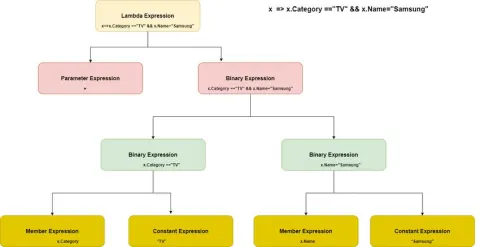
Solid Introduction to Expression Trees in C#
This article provides a comprehensive introduction to Expression Trees in C#. You'll learn about their structure, how they represent code as data, and their applications in LINQ queries.
- Article · Software Architecture/Engineering
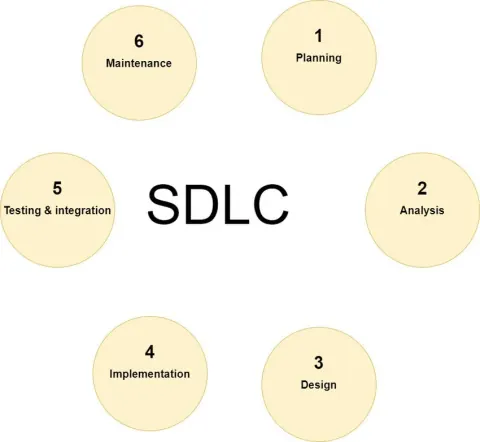
The Code and Software Development Lifecycle
Understand the phases of the Software Development Lifecycle (SDLC), including planning, design, testing, and implementation, and how they contribute to delivering robust, scalable software.
- Article · Threading
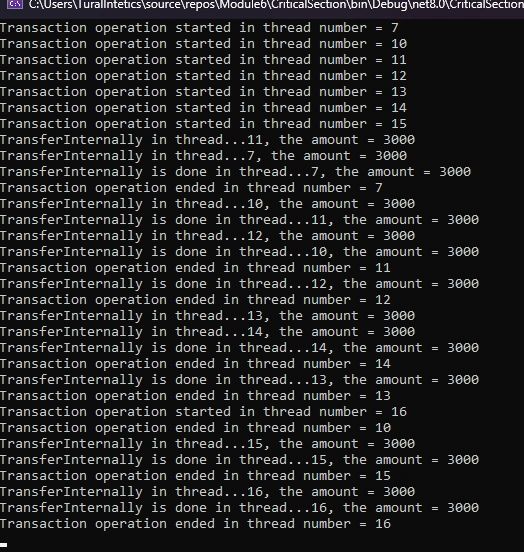
Resolving Race Conditions and Critical Sections in C#
Learn how race conditions occur in C# multithreaded applications and how to protect critical sections and shared data with the lock keyword.
- Article · .NET
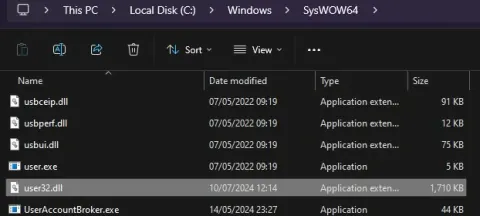
Integrating C/C++ Libraries to .NET Applications with P/Invoke
Integrating CC++ libraries into .NET applications using PInvoke allows you to call native code from managed code. This process involves declaring methods in C++ libraries using extern "C" and importing them into .NET with the DllImport attribute.
- Article · ASP.NET Core
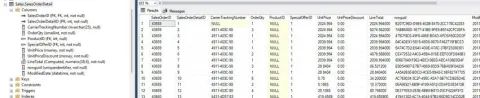
Practical approach to EF Core with Scalar functions
Learn how to implement and migrate scalar SQL functions in an ASP.NET Core application using Entity Framework Core. This guide covers creating a scalar function to calculate total unit prices, integrating it into EF Core, and calling it within LINQ queries to streamline database interactions.
- Article · Azure
Configure SSL for Grafana on Azure
Learn how to configure SSL for Grafana on Azure to secure your monitoring and analytics dashboard. Follow step-by-step instructions to set up HTTPS, manage certificates, and ensure data encryption for enhanced security in your cloud environment.
- Article · Azure
Reverse Proxy Grafana with Nginx in Azure
Learn how to enhance your Grafana setup in Azure by configuring Nginx as a reverse proxy. This article covers step-by-step instructions for setting up Nginx to securely proxy requests to Grafana, ensuring improved security, performance, and flexibility in your cloud environment.
- Article · Azure
Providing a Domain Name for Grafana service in Azure Cloud
Learn how to set up a custom domain name for Grafana hosted on Azure Cloud. Explore step-by-step instructions for configuring DNS settings, integrating with Azure App Service, and optimizing network configurations to seamlessly access your Grafana service with a personalized domain within the Azure portal.
- Article · Azure
Getting started with Grafana for Ubuntu in Azure Cloud
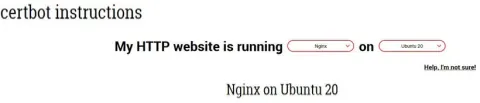
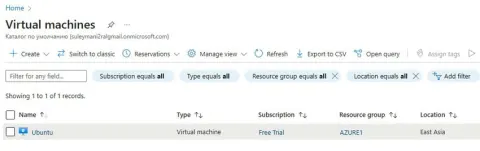
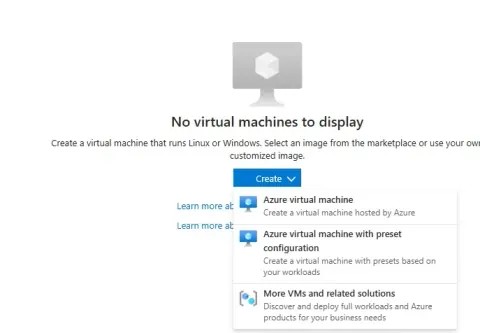
Grafana is pivotal for visualizing and analyzing data, ideal for monitoring system performance. Installing Grafana via Azure, utilizing a virtual machine. It covers key steps like SSH key setup, connecting via Putty, and installing Grafana on Ubuntu, ensuring proper firewall configuration for access on port 3000.
- Article · .NET
How to Become a Professional .NET Developer in 2024
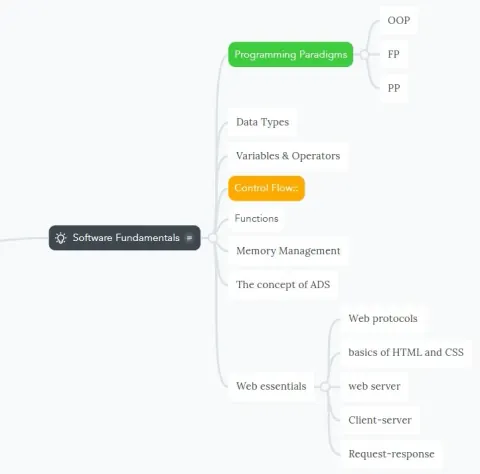
Discover how to become a professional .NET developer in 2024 with this comprehensive guide. Learn essential skills, the latest .NET technologies, and effective learning paths.
- Article · C#
The One Behind Concurrency in C#
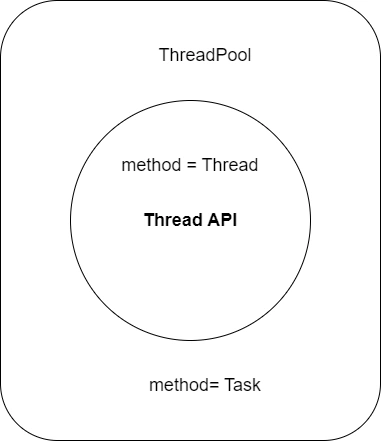
The Thread Pool in C# simplifies concurrency by managing threads for you. Unlike creating and managing threads yourself, the Thread Pool offers a pool of reusable threads, improving performance and reducing complexity. It's ideal for short-lived tasks like calculations or processing data.
- Article · C#
Implementing Railway-Oriented Programming
In this tutorial, we will learn how to implement Railway-Oriented programming with Result Design Pattern. Railway-oriented programming enhances error handling by structuring code like a railway track. Result types replace exceptions for expected errors, ensuring clear and manageable flows.
- Article · C#
Introduction to Railway-oriented programming
This article delves into Railway-oriented Programming (ROP), a functional approach to error handling and data flow. It compares ROP to exceptions, offers a C# implementation, and discusses its benefits and considerations.
- Article · C#
Method Signature Honesty in Functional Programming with C#
This article explores the concept of "method signature honesty" in functional programming with C#. It emphasizes clear communication of method behavior through signatures, promoting predictability, composability, and code understanding.
- Article · C#
Not all Functions are C# Methods
How to write your functional programming functions in C#? That is the main question we're going to answer in this article.
- Article · C#
Functional Programming in C# - Functional Features
C# boasts diverse paradigms, including Object-Oriented, Imperative, Functional, and Generic programming. Its multi-paradigm nature empowers developers to solve problems using various styles, enhancing flexibility and efficiency.
- Article · C#
Functional programming in C# - Introduction
Lets learn the concept of functional programming, its usage and why functional programming is important