Loading
Tural Suleymani's contributions
- Article · .NET
.NET internals: Learning Object-Oriented .NET IL
.NET IL, or Intermediate Language, serves as a bridge between high-level programming languages and machine code. This article delves into object-oriented .NET IL concepts with detailed explanations and code examples.
- Article · .NET
.NET internals: Stack-Oriented .NET IL
Understanding .NET IL (Intermediate Language) is crucial for developers to comprehend how code interacts with the .NET Framework. While not typically written directly, it offers insights into compilation processes.
- Article · .NET
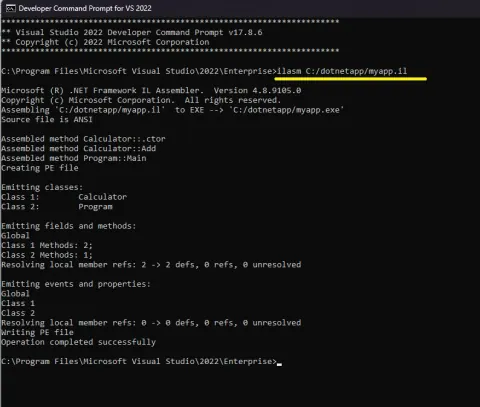
.NET Internals: Writing .NET IL/MSIL Code
Learn about .NET IL, the bridge language of the .NET runtime, compiling all high-level .NET languages into a single language. Write multi-language applications in .NET, gaining insights into program execution.
- Article · .NET
Understanding the .NET Internal Compile Process
In this article, we will learn about CLR, Jit Compiler, and how the .NET compilation process works. Understanding the .NET internal compile process involves dissecting how source code is translated into executable binaries.
- Video · Software Architecture/Engineering
Loosely Coupling in Software Design
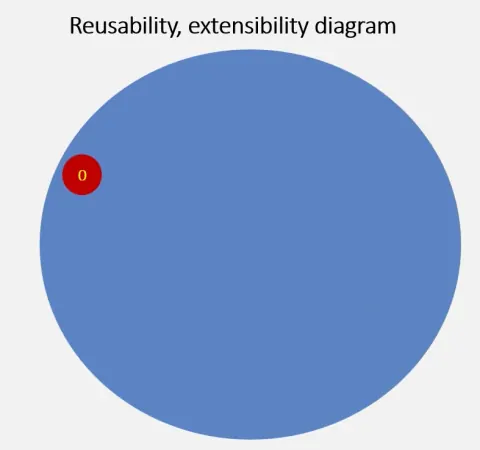
Let's learn loosely coupling in software design together! We talked about different forms of loosely coupling using C# as an example, but the topic itself is a language agnostic.
- Article · .NET
.NET Delegates in Event-Based Asynchronous Pattern for Seniors
This article dives into the practical learning of delegates, emphasizing real-world examples. It explores the Event-Based Asynchronous Pattern (EAP) in C# and its advantages, using delegates to implement asynchronous operations effectively.
- Article · .NET
.NET Delegates for Mere Mortals: Introduction
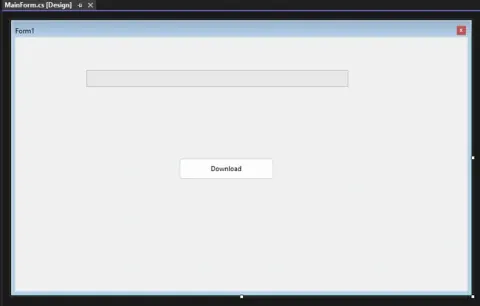
Explore .NET delegates practically in this article. Learn to use delegates for flexible, reusable code. Follow examples, download source code, and understand delegate syntax, including anonymous methods and lambda expressions.
- Article · C#
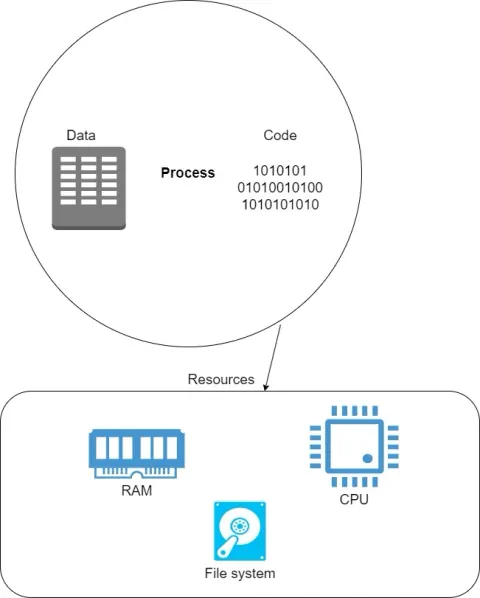
Multithreading in C#: Processes, Threads, and Performance Optimization
In this article, we will learn to Explore how threads are managed, synchronized, and executed at the kernel level, shedding light on the core mechanisms of concurrency and parallelism.
- Article · C#
Introduction to Multithreading
Learn about Multithreading and the difference between using Thread and threadPool. The difference between multithreading and concurrency
- Article · .NET
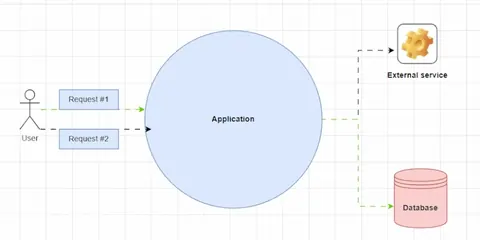
Understanding Concurrency in C#
This article is an introduction to Concurrency in C# that is going to explain the concept of CPU-bound and I/O-bound operations to understand the world of Concurrency better
- Article · Software Architecture/Engineering
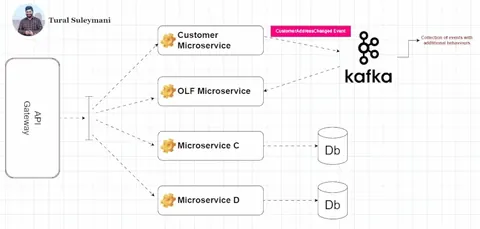
Event Driven Architecture in Microservices
In this article, you will learn about event streaming in microservices. Event streaming in microservices is a powerful approach to communication and data processing based on a continuous flow of events. Instead of relying on traditional request-response mechanisms, services publish and subscribe to events, enabling loose coupling and real-time data processing.
- Article · Software Architecture/Engineering
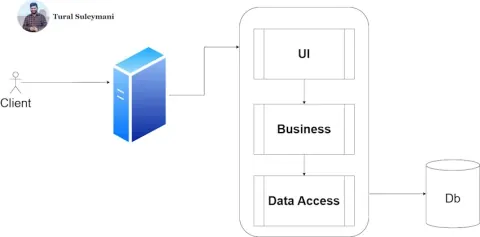
Microservices vs Monoliths
This article will help you understand the differences between Microservices and Monoliths and when to use them.
- Article · Software Architecture/Engineering
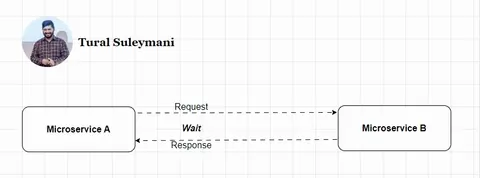
Microservice architecture: Synchronous and Asynchronous communication
Learn microservice architecture communication methods with detailed explanations
- Article · DevOps
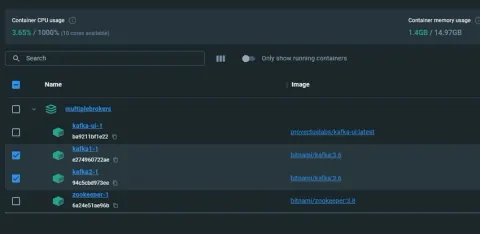
Kafka For Mere Mortals : Running Multiple Brokers
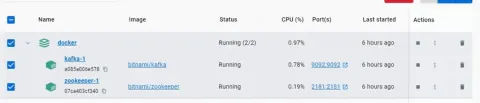
This article delves into the importance of having multiple brokers in an Apache Kafka cluster. It explains the reasons, such as high availability and scalability, and provides a practical guide using Docker.
- Article · C#
GraphQL in .NET: GraphQL queries
Learn graphQL queries, resolvers, and annotation-based approach. This tutorial introduces GraphQL, emphasizing its benefits over REST, and explores querying in a C# ASP.NET Core environment using HotChocolate. It covers key concepts, operations, and practical implementation.
- Article · DevOps
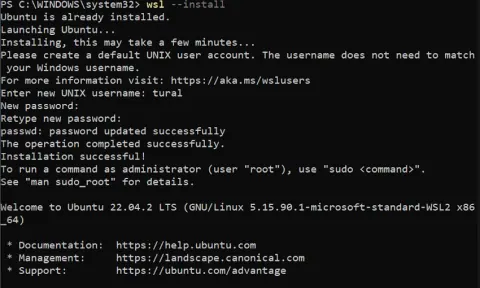
Kafka For Mere Mortals: Better compatibility with WSL2
Install Kafka on Windows using WSL2 technology. This article explains the process of installing Kafka on Windows using WSL2 provides a clear and comprehensive step-by-step process. The explanation of the issues faced when attempting to install Kafka on plain Windows and the solution through the use of WSL2 is particularly helpful. Including the prerequisite for Windows 10 with build 19041 or higher is essential for readers to be aware of the compatibility requirements.
- Article · Web Development
Elements Of Responsive Web Design
Responsive web design ensures that users can access a website effortlessly, whether they are using a desktop computer, laptop, tablet, or smartphone. By dynamically adjusting the layout and content presentation, responsive design enhances readability, navigation, and overall user satisfaction.
- Article · DevOps
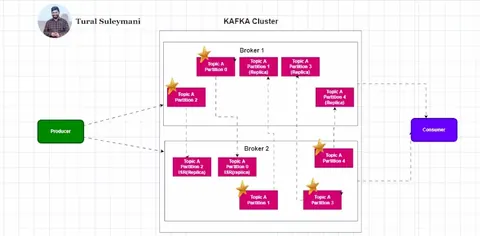
KAFKA for Mere Mortals: Topic replication factor
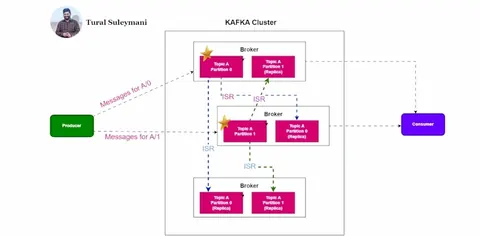
The article will in detail explain why we need a replicas of Partition in KAFKA
- Article · DevOps
KAFKA for Mere Mortals : Topics and partitions in Practice
The main focus in this article is to create, list, describe and delete topics and partitions in KAFKA
- Article · DevOps
KAFKA for Mere Mortals : Topics and Partitions
This article describes what is topic and partition and how partitions are split across the brokers
- Article · DevOps
KAFKA for Mere Mortals : Cluster and Brokers With Distribution
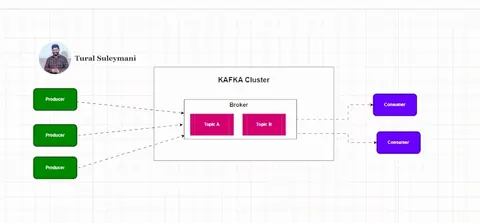
Learn the concept of cluster and broker in KAFKA and "KAFKA broker discovery"
- Article · DevOps
KAFKA for Mere Mortals : Installing KAFKA and Zookeeper
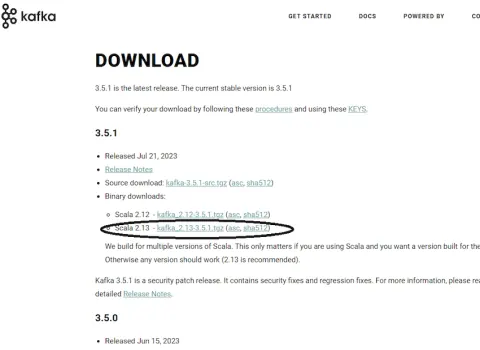
The purpose of the current article is to install KAFKA with Zookeeper.
- Article · DevOps
KAFKA for Mere Mortals : ETL and KAFKA
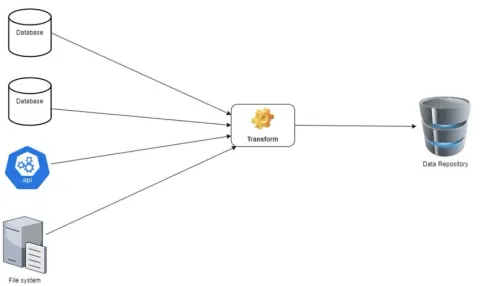
In this article we described the process of ETL and its relation to KAFKA
- Article · DevOps
Kafka For Mere Mortals: Introduction
The purpose of this series is to help you to understand and use KAFKA in your real projects along with any programming languages, especially with the .NET platform
- Article · .NET
Schema-First Approach with GraphQL.NET in .NET
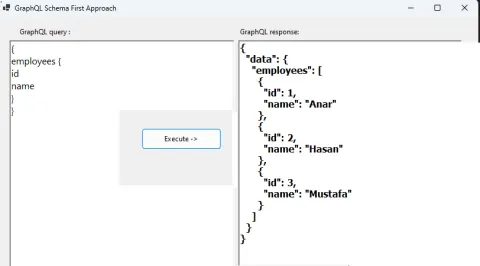
Learn how to implement GraphQL endpoints using GraphQL.NET's Schema-First approach. Discover how GraphQL serves as a powerful query language for APIs, providing interactivity and flexibility. Explore core concepts applicable to various GraphQL implementations.