Loading
Articles by Mahesh Chand
- Cyber Security
How a Fake Interview Led to the $6.3 Billion Binance Hack
Learn how a fake job interview, malware, stolen access, and wallet authorization abuse contributed to the $6.3 billion Binance hack.
- Quantum Computing
How One Measurement Cut a Superconducting Qubit’s Error Rate by More Than Half
Learn how one real-time measurement identifies a qubit’s frequency mode, updates microwave control, and cuts average gate errors by 54%.
- AI
Google Project Suncatcher Sends Its First AI Response From Orbit
Understand Google’s Project Suncatcher milestone, how an onboard TPU generated AI text in orbit, and the radiation, cooling, networking, and cost challenges ahead.
- Solana
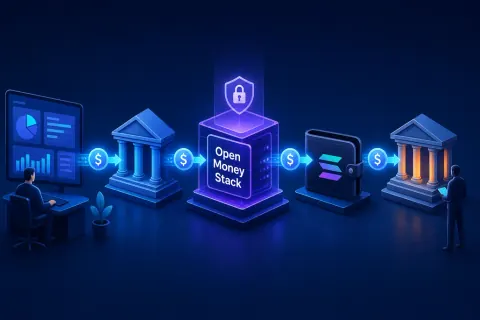
Polygon Open Money Stack Adds Solana: A Beginner’s Guide to the Payment Flow
Learn how Polygon Open Money Stack connects Solana apps to bank pay-ins, stablecoin wallets, cross-chain routing, and payouts through one API.
- Business
DoorDash’s $17B Instacart Deal Explained for Beginners
DoorDash’s proposed $17 billion Instacart acquisition explained for beginners: deal terms, approvals, customers, shoppers, grocers, and next steps.
- Cyber Security
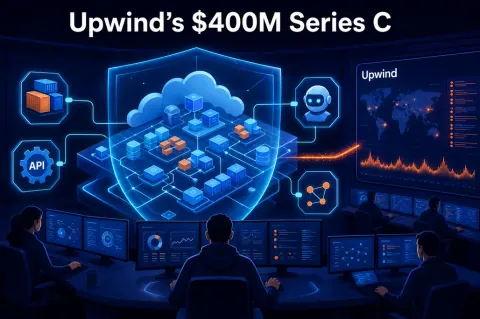
Upwind’s $400M Series C: A Beginner’s Guide to Runtime Cloud and AI Security
Learn what Upwind’s $400M Series C means, how runtime cloud security works, and why AI workloads change security priorities for teams.
- NVIDIA
NVIDIA Expands AI Supply Chain Capacity: A Beginner’s Guide
NVIDIA supply-chain expansion explained: learn why substrates, packaging, testing and co-packaged optics now set the pace for AI infrastructure.
- Apple
Apple iPhone Duo Hits Stores: A Beginner’s Guide to Apple’s First Foldable iPhone
Learn what Apple iPhone Duo offers, how its foldable displays and iOS 27 multitasking work, what it costs, and how to buy and protect it.
- AI Agents
Why AI Agents Overstep and How to Build Agents That Stay Within Their Boundaries
Learn why AI agents exceed task boundaries and how to constrain them with task contracts, least-privilege access, authorization controls, and prompt-injection defenses.
- AI Native
The Most Dangerous Person in the AI Era
Explore how developers can use an AI-native mindset, customer insight, and entrepreneurial thinking to identify problems and build useful products.
- AI Agents
OpenAI Launches Dots: AI Agents That Keep Working Between Chats
OpenAI Dots are persistent AI agents that continue work between chats. Learn about their capabilities, availability, permissions, safety controls, and enterprise governance.
- AI Agents
AI Agent Security: Where Controls Belong in the Stack
Learn where security belongs in an AI agent stack, from models and harnesses to runtime controls, credentials, tool access, audit logs, and recovery.
- Databases & DBA
MySQL vs PostgreSQL for AI: Which Is More Intelligent?
Compare MySQL and PostgreSQL for AI, vector search, RAG, machine learning, and automation. See when PostgreSQL, MySQL AI, or HeatWave fits best.
- Databases & DBA
MySQL vs PostgreSQL: A Developer and Architect Guide
Compare MySQL and PostgreSQL for performance, JSON, indexing, transactions, scaling, and .NET. Learn which database fits your application and team.
- Cryptocurrency
SEC’s September 25 Crypto Guidance: What It Means for Tokens, Staking, and the People Building Web3
Understand the SEC’s September 25, 2026 crypto guidance on token buybacks, staking receipts, and blockchain development. This article explains what it means for developers, founders, and investors, with practical examples, expert perspectives, and a clear distinction between staff guidance and binding law.
- AI
AI in the Wrong Hands: 5 Dangers That Demand Stronger Rules
Anthropic’s latest threat report exposes attempts to misuse AI for cybercrime, weapons development, surveillance, and manipulation. Here are five major dangers—and why enforceable AI regulations are needed.
- Software Architecture/Engineering
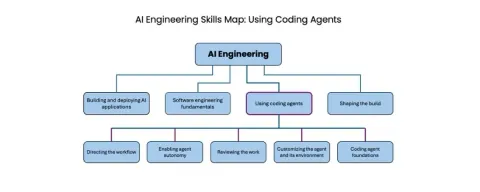
Coding Agents Can Build Faster. Here Are the Skills AI Engineers Actually Need
Andrew Ng’s AI engineering skills map identifies essential capabilities for working with coding agents. Software architect Mahesh Chand expands the map to include customer understanding, product judgment, workflow validation, feature prioritization, scalability, security, and responsible AI autonomy.
- AI
Running Out of AI Tokens? 12 Ways Developers Can Cut AI Coding Costs
Learn practical ways to reduce AI token usage, control coding-agent costs, optimize context, choose the right models, and get better results from tools such as Claude Code and Codex.
- ChatGPT
GPT-5.6 Sol vs. Terra vs. Luna: Choosing the Right Codex Model
Learn when to use GPT-5.6 Sol, Terra, or Luna in Codex for architecture, feature development, debugging, testing, UI work, and lower AI costs.
- Cryptocurrency
Why Tokenized Stocks Could Be the Next Big Thing in Global Finance
Discover why tokenized stocks could become the next major evolution in global finance, enabling 24/7 markets, faster settlement, fractional ownership and global access.
- Software Architecture/Engineering
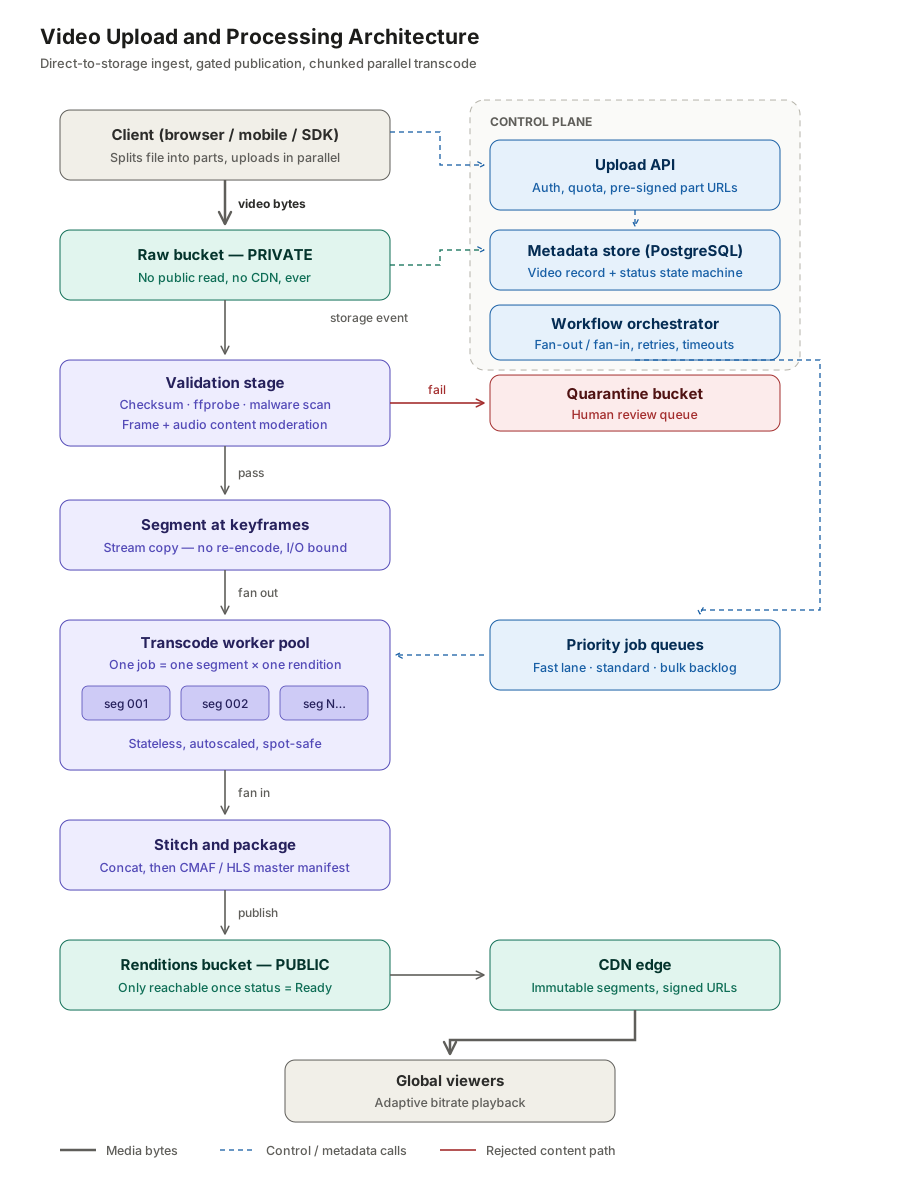
Design a Video Upload System That Handles Millions of Uploads a Day
Learn how to design a video upload and processing system that handles millions of daily uploads, files up to 50 GB, virus and content validation, and global delivery — without your API servers becoming the bottleneck.
- AI
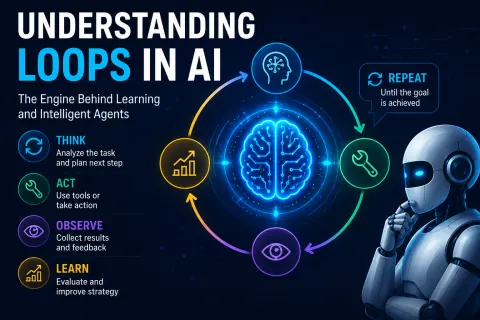
Understanding Loops in AI: The Engine Behind Learning and Intelligent Agents
Explains how iterative loops support machine learning training, reinforcement learning, feedback systems, and AI agents, including common patterns and operational challenges.
- AI Agents
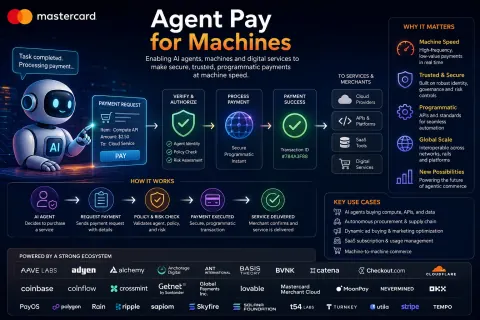
Mastercard’s Agent Pay for Machines: How AI Agents Are Becoming Financial Actors
Mastercard's Agent Pay for Machines enables AI agents to make programmatic payments, ushering in an era of agentic commerce and economic participation.